
Mac and cheese is one of the most popular comfort foods in the world. It’s creamy, filling, and easy to serve for both quick dinners and large gatherings. But have you ever wondered what the right mac and cheese serving size actually is? Some portions feel too small, while others can be surprisingly heavy. Understanding proper serving sizes helps with meal planning, nutrition, and creating balanced portions for every occasion. Let’s explore how much mac and cheese you should serve and why portion size matters more than you may think.
Why Mac And Cheese Serving Size Matters
Serving size affects more than just fullness. Mac and cheese is rich in carbohydrates, cheese, and calories, so portion control plays a big role in balanced eating. A small serving may work as a side dish, while a larger portion can easily become a full meal.
For families and parties, understanding serving sizes also helps prevent food waste. Restaurants and caterers rely on consistent portions to control costs and satisfy customers. At home, proper portions make meal prep easier and help balance other foods on the plate.
Knowing the right amount ensures your meal feels satisfying without becoming overly heavy.
Standard Mac And Cheese Serving Sizes
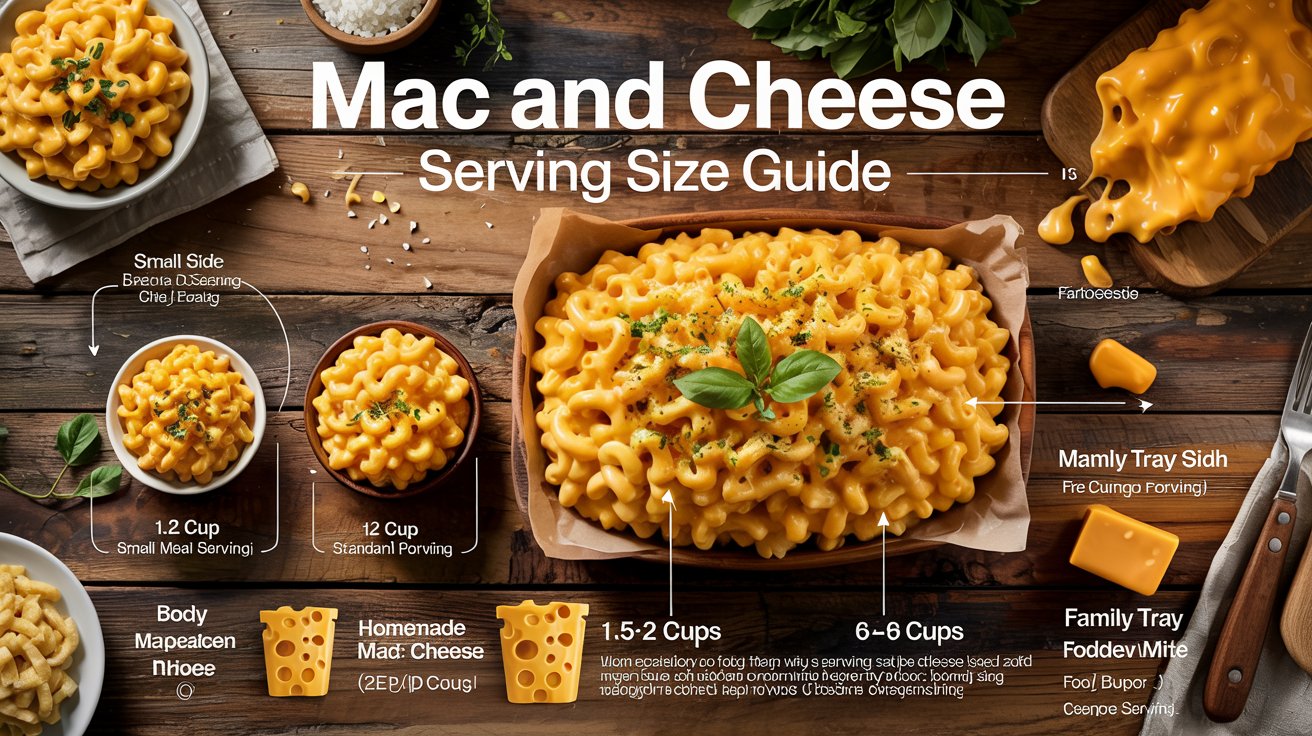
Mac and cheese servings are usually measured by cups or weight after cooking. Here are the most common portion sizes used in recipes and nutrition guides.
Mac And Cheese Serving Size Chart
| Serving Type | Weight (Approx.) | Cups (Cooked) | Calories (Approx.) |
|---|---|---|---|
| Small Side Serving | 100–120g | 1/2–3/4 cup | 180–250 |
| Standard Side Dish | 150–180g | 1 cup | 300–400 |
| Main Meal Portion | 250–300g | 1.5–2 cups | 500–700 |
| Family Tray Serving | 900g–1.2kg | 6–8 cups | Varies |
These numbers can vary depending on the recipe, cheese type, and added ingredients like bacon or breadcrumbs.
Choosing The Right Mac And Cheese Portion
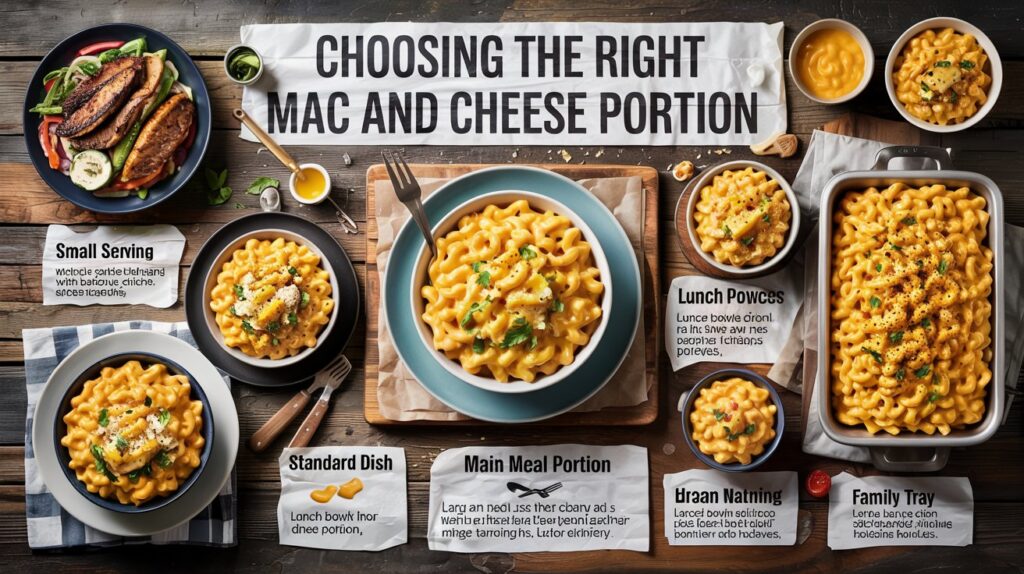
The best serving size depends on how the dish is being served. Here are some common guidelines:
- Small Side Serving: Perfect alongside barbecue, chicken, or vegetables.
- Standard Side Dish: The most common portion for lunch or dinner.
- Main Meal Portion: Works well when mac and cheese is the star of the meal.
- Family Tray Portions: Ideal for gatherings, potlucks, and holidays.
If the dish includes extra proteins or toppings, slightly smaller portions are often enough.
Mac And Cheese Serving Size Comparison: Homemade Vs. Boxed
Homemade and boxed mac and cheese often differ in serving size and richness.
Homemade vs Boxed Mac And Cheese
| Type | Typical Serving | Texture | Calories |
|---|---|---|---|
| Homemade | 1 cup | Creamier, richer | Higher |
| Boxed/Packaged | 1 cup prepared | Lighter texture | Moderate |
Homemade recipes often use more cheese and butter, making portions heavier and more filling.
Mac And Cheese And Nutrition
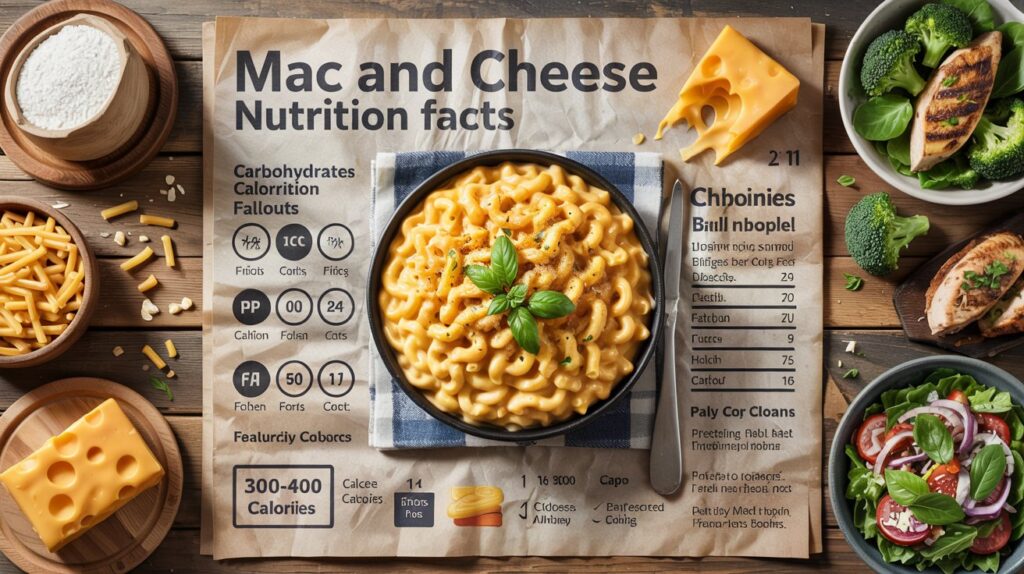
Mac and cheese is comforting, but it can also be calorie-dense. A standard 1-cup serving often contains:
- Carbohydrates
- Protein
- Calcium
- Fat
- Sodium
Depending on the recipe, one serving may contain 300–400 calories or more. Adding vegetables like broccoli or proteins like chicken can help balance the meal nutritionally.
For lighter meals, smaller portions paired with salads or vegetables work well.
Visual Guide: Mac And Cheese Serving Sizes
Sometimes it’s easier to compare serving sizes visually.
Mac And Cheese Portion Guide
| Serving Size | Best Use | Serving Suggestion |
|---|---|---|
| 1/2 Cup | Small side dish | Kids or light meals |
| 1 Cup | Standard serving | 1 person |
| 2 Cups | Main meal portion | Large appetite |
| 6–8 Cups | Family or party tray | Serves 6–8 people |
Tips For Measuring Mac And Cheese Portions
- Measure after cooking: Pasta expands during cooking, changing portion size.
- Use serving scoops: Helps create even portions for gatherings.
- Add vegetables: Mixing in vegetables increases volume without adding too many calories.
- Avoid oversized bowls: Large bowls can make portions unintentionally bigger.
- Store leftovers properly: Refrigerate within two hours for freshness.
Consistent serving sizes improve both meal balance and presentation.
Common Mistakes When Serving Mac And Cheese
- Overserving: Large portions can feel too heavy and calorie-dense.
- Ignoring side dishes: Mac and cheese is richer when paired with meats or bread.
- Too little sauce: Small amounts of cheese sauce can make portions feel dry.
- Not balancing meals: Adding vegetables improves nutrition and texture.
Proper portion sizes help keep the dish satisfying without becoming overwhelming.
How Mac And Cheese Serving Size Affects Meals
Mac and cheese works differently depending on the portion size. Small servings complement proteins and vegetables, while larger portions become the centerpiece of the meal.
Too much mac and cheese may leave meals feeling overly rich, while too little may not feel satisfying. Balancing portion size with other foods creates a better dining experience.
The History Of Mac And Cheese Portions
Mac and cheese has been enjoyed for centuries, but serving sizes have changed over time. Traditional homemade versions were often served in moderate portions as a side dish. Modern restaurant portions, however, are usually much larger and richer.
Today, mac and cheese is served everywhere from family dinners to gourmet restaurants, often with creative toppings and mix-ins.
Frequently Asked Questions
What Is A Standard Serving Size Of Mac And Cheese?
A standard serving is about 1 cup cooked, or 150–180g.
How Many Calories Are In One Serving Of Mac And Cheese?
A typical serving contains around 300–400 calories, depending on the recipe.
Is Mac And Cheese Usually A Side Dish Or Main Meal?
It can be both. Smaller portions work as side dishes, while larger servings become full meals.
How Much Mac And Cheese Should I Make Per Person?
For side dishes, plan about 1 cup per person. For main meals, 1.5–2 cups is common.
Can I Make Mac And Cheese Healthier?
Yes, adding vegetables, using lighter cheese, or reducing butter can make it healthier.
Mac and cheese serving size may seem like a simple detail, but it can greatly affect nutrition, meal balance, and enjoyment. Whether you’re cooking for yourself, your family, or a party, understanding portion sizes helps you serve the perfect amount every time.
