
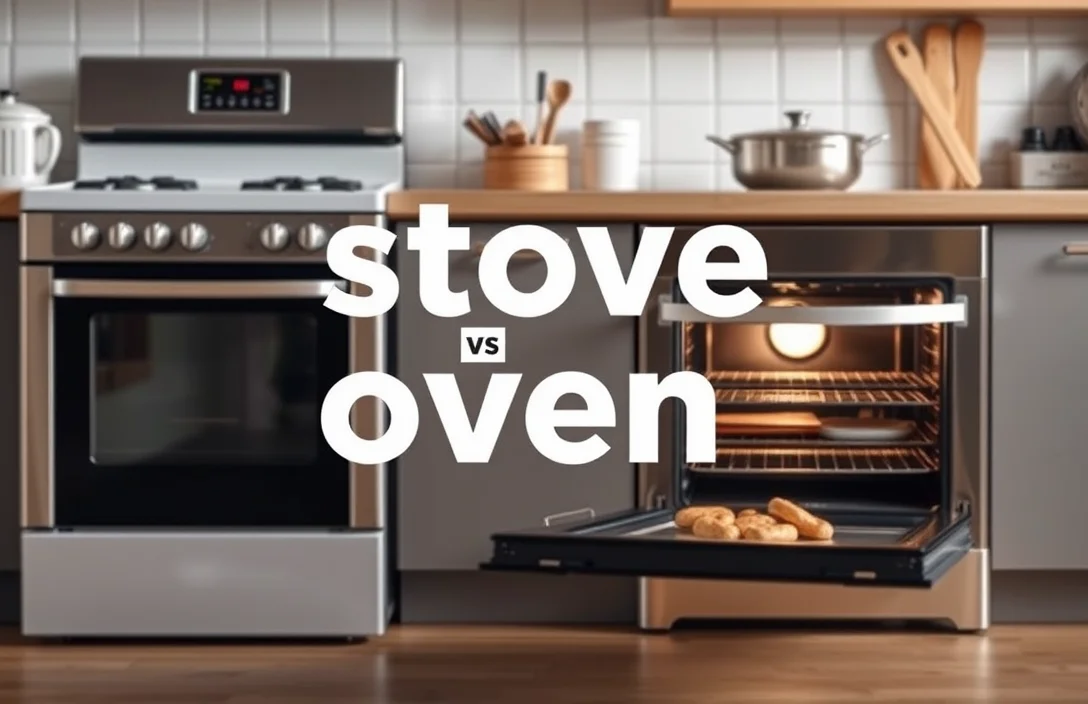
Over 80% of American households own both a stove and an oven, yet many confuse their functions. While both are essential in cooking, they serve distinct purposes that can significantly affect meal preparation and cooking techniques.
Stoves are primarily for cooking on the surface, while ovens are used for baking and roasting. Knowing the difference can enhance your culinary skills and improve your meal outcomes.
Definition of Stove
A stove refers to a cooking appliance that uses direct heat to prepare food. Commonly found in kitchens, it can use various heat sources such as gas, electricity, or induction. Stoves typically feature burners on top where pots and pans are placed for boiling, frying, or simmering. Understanding this fundamental function helps clarify its distinction from other cooking appliances.
Burners on a stove usually come in different sizes and heat output levels. Users can select specific burners for various cooking tasks, optimizing efficiency based on the size of the cookware. The heat adjustments allow for precise temperature control, making it suitable for a wide range of cooking techniques, such as sautéing or boiling.
Safety features are integral to modern stoves. Many models include automatic shut-off mechanisms and flame failure devices, which enhance user protection. These features significantly reduce the risk of accidents, making stoves a safer choice in busy kitchens.
Maintenance of a stove is crucial for optimal performance. Regular cleaning of burners, drip pans, and surfaces prevents buildup of food residues and enhances longevity. Proper care ensures that the appliance remains efficient and safe to use, providing consistent cooking results.
Definition of Oven
An oven is a cooking appliance designed to bake, roast, or broil food. It operates by generating heat, typically through gas burners or electric heating elements. This tool allows for controlled cooking temperatures, making it essential for various culinary techniques. Ovens come in different sizes and configurations, catering to diverse kitchen spaces and cooking needs.
Versatility defines the oven’s functionality. Bakers rely on it for bread, desserts, and pastries, while cooks use it for casseroles and roasted meats. Each cooking method results in unique textures and flavors, enhancing the overall dining experience. Understanding these applications helps home chefs maximize their oven’s potential.
Temperature control plays a crucial role in successful cooking. Most ovens feature temperature settings, allowing users to adjust heating based on the dish being prepared. Accurate temperature settings ensure even cooking and minimize the risk of undercooking or burning food. Investing time in mastering these controls enhances culinary skills.
Maintenance is vital for optimal performance. Regular cleaning prevents buildup and ensures consistent heat distribution. Following the manufacturer’s guidelines for cleaning and care prolongs the oven’s lifespan. A well-maintained oven not only improves cooking efficiency but also enhances food safety.
Types of Stoves
Gas stoves offer quick heating. They provide instant flame control, allowing cooks to adjust temperatures rapidly. Ideal for precision cooking, these stoves are favored by many chefs for their responsiveness. Moreover, they can work during power outages, making them a reliable option. If you enjoy traditional cooking methods, a gas stove may suit your needs well.
Electric stoves heat food through coils or smooth glass surfaces. These models require more time to adjust temperatures compared to gas options. However, they often provide even cooking and are easier to clean. Many modern electric stoves come with features like induction cooking, which uses magnetic fields for faster heating. Consider how these benefits align with your cooking style.
Induction stoves utilize electromagnetic energy for cooking. Unlike traditional electric or gas stoves, they only heat pots and pans, resulting in faster cooking times and energy efficiency. Users appreciate their safety features, as the surface remains cool to the touch. If speed and safety are priorities, induction cooking might be the best choice for you.
Portable stoves are compact and versatile. These small units are perfect for camping or limited kitchen space. Many models run on propane or butane, making them convenient for outdoor cooking. If you need flexibility in your cooking environment, consider investing in a portable stove.
Types of Ovens
Convection ovens circulate hot air, providing consistent cooking temperatures. They are ideal for baking and roasting, as they reduce cooking time and enhance even browning. Many home cooks prefer convection models for their efficiency and excellent results, especially when preparing multiple trays of cookies or roasts.
Conventional ovens rely on radiant heat from above and below. These are common in many households, suitable for a variety of cooking tasks. They excel in baking bread and casseroles, where stable heat is necessary for proper rising and cooking.
Microwave ovens offer rapid cooking through electromagnetic radiation. Ideal for reheating and defrosting, they are less suited for traditional baking or roasting. Many modern kitchens include a microwave for its convenience and speed in everyday tasks.
Steam ovens cook food using steam, retaining moisture and nutrients. They are excellent for vegetables, fish, and even bread, promoting healthier meal preparation. Many chefs appreciate steam ovens for their ability to enhance flavors without added fats.
Wall ovens provide flexibility in kitchen design, allowing for built-in installations at various heights. These ovens can be convection or conventional, offering diverse options for home cooks. Their design saves space and integrates seamlessly into modern kitchens.
Cooking Methods Comparison
Efficient meal preparation requires knowing how each appliance performs. Stoves excel in quick cooking tasks, allowing for precise temperature control. They are ideal for sautéing, boiling, and frying, where immediate heat adjustments are necessary. Conversely, ovens provide consistent heat, making them perfect for baking and roasting, yielding evenly cooked dishes. Understanding these differences can guide your cooking choices effectively.
Stoves often feature multiple burners, enabling simultaneous cooking of various dishes. This multitasking capability is advantageous for preparing complex meals that require multiple components. In contrast, ovens typically have larger capacities, allowing for batch cooking or preparing large meals. Assessing the space available in your kitchen can influence which appliance suits your needs best.
Temperature versatility plays a crucial role in selecting an appliance. Stoves provide quick heat adjustments, ideal for recipes that demand precision. Ovens maintain steady temperatures, ensuring baked goods rise properly. Both appliances can complement each other in the kitchen, enhancing overall cooking efficiency and versatility.
Energy Efficiency Ratings
Energy efficiency ratings are crucial when comparing appliances. Look for the Energy Star label, which signifies that an appliance meets energy efficiency guidelines set by the U.S. Environmental Protection Agency. This label ensures that the stove or oven saves energy, reducing electricity bills while being environmentally friendly.
Models with higher ratings typically consume less energy. Check the annual energy consumption figures provided in the specifications. These figures help estimate how much energy the appliance will use over a year, allowing for better financial planning.
Comparing the efficiency of different models aids in making an informed choice. Assess the cost-to-benefit ratio by evaluating the initial purchase price against long-term energy savings. A slightly more expensive appliance may yield significant savings over time if it operates more efficiently.
Considering the type of cooking you prefer can also influence efficiency. For instance, convection ovens generally cook food faster and at lower temperatures than conventional ovens. This can lead to energy savings while enhancing cooking results.
Ultimately, making an informed decision about energy efficiency can lead to savings and a reduced carbon footprint. Prioritize energy-efficient options to maximize both your cooking experience and environmental responsibility.
Size and Space Considerations
Determining the available space for your appliances is crucial. Measure the area where you intend to place the stove or oven. Ensure that there is adequate clearance around the unit for ventilation and safety. Consider the dimensions of both appliances, as their sizes can vary significantly based on the model and features.
Evaluating kitchen layout impacts functionality. If your kitchen is small, a combination unit might be ideal, allowing for both cooking methods without taking up too much space. In larger kitchens, separate units can offer flexibility and convenience, permitting simultaneous cooking and baking.
Planning for installation is essential. Ensure that your electrical and gas connections can accommodate the chosen appliance. For built-in options, confirm that cabinetry can support the weight and dimensions of the unit. Consulting a professional can prevent future installation issues.
Considering lifestyle needs helps refine your choice. If you frequently prepare large meals, opt for larger models with more burners or oven space. For casual cooking, compact versions may suffice, saving space without sacrificing function.
Assessing future renovations is wise. If you plan to remodel, consider how your appliance choice fits into your long-term kitchen vision. Flexibility in design can enhance both current use and future upgrades, ensuring your investment meets evolving needs.
Quick Summary
- A stove is primarily used for cooking food on the stovetop, using burners that provide direct heat.
- An oven is designed for baking, roasting, and broiling food, utilizing heated air to cook from all sides.
- Stoves can be gas, electric, or induction, while ovens may also vary in energy source and design.
- Many kitchens feature a combined stove and oven unit for versatility in cooking methods.
- Cooking times and temperatures differ significantly between stovetop and oven methods.
- Stovetop cooking allows for more immediate control over heat levels, whereas ovens provide a consistent cooking environment.
- Recipes may specify the use of either a stove or an oven, impacting the final texture and flavor of the dish.
Frequently Asked Questions
What is the difference between a stove and an oven?
A stove typically refers to the cooking surface on which pots and pans are placed to cook food, while an oven is an enclosed space designed for baking, roasting, or broiling food. In many kitchens, the stove and oven are combined into a single appliance known as a range.
Can I use the stove and oven at the same time?
Yes, you can use both the stove and oven simultaneously. This is often done in meal preparation, where you may be boiling or sautéing on the stove while baking or roasting in the oven.
What types of cooking can I do with a stove?
Stoves are great for a variety of cooking methods including boiling, simmering, sautéing, frying, and steaming. They provide direct heat and allow for precise temperature control, making them ideal for quick cooking tasks.
What types of cooking can I do with an oven?
Ovens are primarily used for baking, roasting, and broiling. They provide indirect heat and are perfect for cooking dishes that require longer cooking times, like casseroles, cakes, and meats.
Which is more energy-efficient, a stove or an oven?
Generally, stoves are more energy-efficient for quick cooking tasks, while ovens may consume more energy for longer cooking times. However, the efficiency can depend on the specific appliance, the cooking method, and the type of meal being prepared.
