
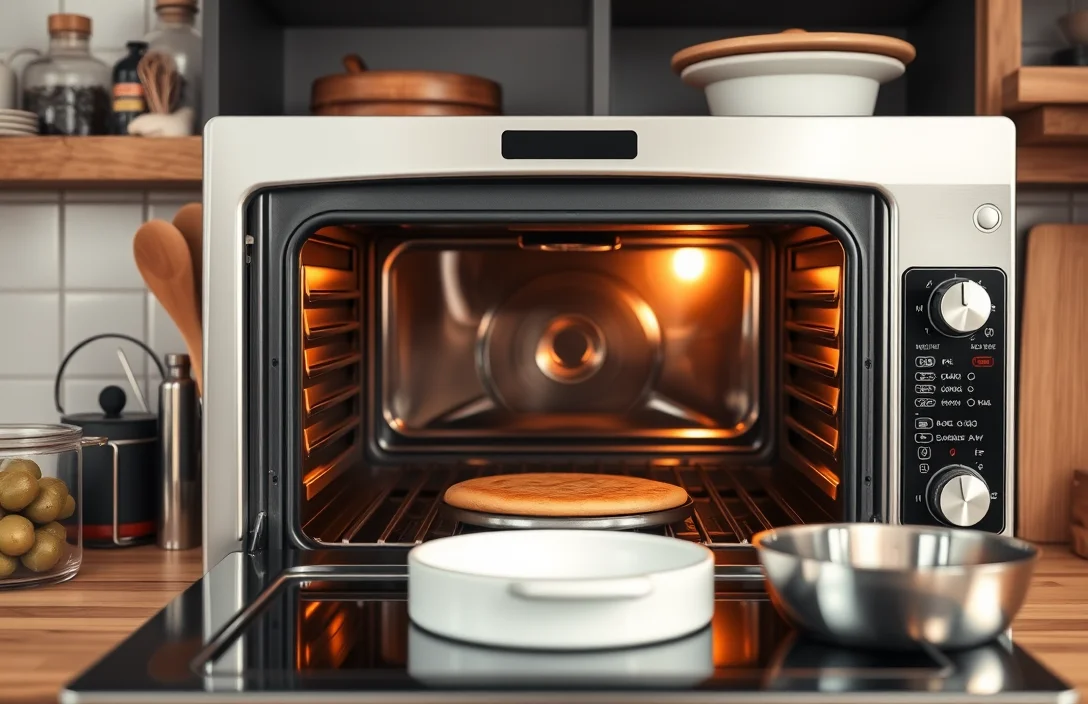
Seventy percent of American households have an oven, yet many struggle to operate them effectively. Understanding basic functions can transform your cooking experience, making meals easier and more enjoyable. Knowing how to use an oven properly can significantly enhance your culinary skills.
Mastering your oven involves preheating before use, selecting the right temperature for your recipes, and using the appropriate cooking settings. Familiarize yourself with various functions to optimize your cooking results and ensure even heating.
Understanding Types of Ovens
Conventional ovens dominate most kitchens, utilizing dry heat to cook food evenly. These standard appliances are versatile for baking, roasting, and broiling. They maintain consistent temperatures, making them a favorite for everyday cooking.
Convection ovens incorporate fans to circulate hot air, resulting in faster and more even cooking. This type is ideal for baking pastries or cookies, as it promotes uniform browning and reduces cooking times. Adjust recipes slightly to account for the increased efficiency.
Steam ovens use moisture during cooking, enhancing flavors and textures. Foods like fish and vegetables benefit from steam ovens, as they retain nutrients and prevent dryness. Cooking times may vary, so check doneness frequently.
Microwave ovens excel at reheating and defrosting food quickly. While they may not replace traditional baking methods, they are invaluable for time-sensitive tasks. Familiarize yourself with wattage settings for optimal performance.
Wall ovens offer built-in convenience, saving space in kitchens. They come in various styles, including single and double ovens. These models are perfect for those who frequently entertain and need extra cooking capacity.
Exploring Oven Settings and Functions
Broiling cooks food from above, using high heat to achieve a crispy finish. This setting is ideal for melting cheese, browning meats, or caramelizing vegetables. Ensure the oven rack is placed close to the heating element for effective broiling, which usually takes less time than baking. Always keep a close eye on food, as it can quickly burn.
Baking uses dry heat to evenly cook food, making it perfect for cakes, cookies, and casseroles. Set the oven to the desired temperature, and place the dish in the center of the oven for uniform heat distribution. Avoid opening the door frequently, as this can cause temperature fluctuations that may affect your results.
Convection features a fan that circulates hot air, promoting even cooking and browning. This function is particularly useful for roasting meats and baking multiple trays of cookies simultaneously. Reducing the temperature by 25°F is often recommended when using convection to prevent overcooking.
Self-cleaning options simplify maintenance by heating the oven to a high temperature to incinerate food residues. Activate this setting when the oven is cool and ensure the kitchen is well-ventilated. Keep pets and children away during the cleaning cycle for safety.
Steam settings introduce moisture during cooking, enhancing flavors and textures in dishes such as bread and vegetables. Use this function for foods that benefit from hydration, ensuring a tender and flavorful outcome. Follow specific guidelines for water usage to achieve optimal results.
Importance of Preheating the Oven
Preheating the oven ensures optimal cooking temperatures for your dishes. Starting at the right temperature guarantees even baking and proper rising for bread and pastries. Skipping this step often leads to uneven cooking, which can ruin your recipes.
- Set the desired temperature first. Most recipes specify the required heat, so adjust the dial or digital setting accordingly.
- Wait for the oven to reach this temperature. Most models have an indicator light or sound to alert you when preheating is complete.
- Open the oven door minimally. Frequent door openings can cause temperature fluctuations, affecting your cooking times and results.
- Use an oven thermometer for accuracy. Many ovens can be off by several degrees, so placing a thermometer inside can help verify the actual temperature.
- Give it time before baking. Preheating usually takes about 10-15 minutes, depending on your oven, so be patient to achieve the best results.
Following these steps can greatly improve your baking outcomes. Achieving the right starting temperature is crucial for recipes that depend on precise heat control.
Utilizing Oven Thermometers Effectively
Thermometers give you an objective read on internal oven temperature and are essential to accurate baking. For reliable results when learning how to operate an oven, always place a calibrated thermometer on the center rack, allow the oven to stabilize, then confirm and adjust the control until the thermometer matches your recipe’s target temperature.
- Place thermometer on center rack, not touching walls or trays to avoid false highs.
- Position an additional thermometer near the back to detect hot and cool zones across the cavity.
- Allow 10–15 minutes after the oven indicates preheat so the internal temperature can stabilize before trusting the readout.
- Check readings at multiple spots; record highest and lowest values to understand oven variability for future recipes.
- Calibrate oven controls if readings consistently differ by more than 10°F (6°C) or schedule service for larger discrepancies.
Distinguishing Baking from Roasting Techniques
Baking and roasting differ mainly in their temperature ranges and the types of food suited for each method. Baking typically occurs at lower temperatures, around 325°F to 375°F, and is ideal for items like breads, cakes, and pastries. Roasting, on the other hand, involves higher temperatures, usually between 400°F to 450°F, and works best for meats and vegetables, enhancing their flavors and textures.
Temperature control plays a critical role in achieving the desired results. Maintain consistent heat for baking to ensure even cooking and rise in baked goods. For roasting, higher heat creates a caramelized exterior that locks in moisture, resulting in tender and flavorful dishes. Adjust the oven settings appropriately based on the cooking requirements of your recipe.
Food placement affects cooking outcomes significantly. Position baking trays in the center of the oven for balanced heat distribution during baking. Conversely, for roasting, place meat or vegetables on the upper rack to maximize exposure to the heat source, facilitating browning and crispiness. Using a roasting pan can also help catch drippings, enhancing flavor.
Timing varies between the two techniques as well. Baked items often require precise timing for optimal texture and flavor. In contrast, roasting may allow more flexibility, but keep a close eye to prevent overcooking. Always consider the specific needs of your recipe for the best results.
Cleaning and Maintaining Your Oven
Regular cleaning ensures optimal performance. Keeping your oven clean not only enhances its efficiency but also prolongs its lifespan. Schedule a cleaning session at least once a month to remove grease, food particles, and spills that can accumulate over time.
- Inspect door seals regularly. Check for cracks or wear that may lead to heat loss. Replace seals if necessary to maintain efficiency.
- Use a gentle cleaner. Avoid harsh chemicals that can damage surfaces. Opt for a baking soda and water paste for effective, safe cleaning.
- Remove oven racks. Clean them separately using warm soapy water. This prevents buildup and allows for even heat distribution during cooking.
- Wipe spills immediately. After cooking, take a moment to clean up any spills to prevent them from hardening and becoming difficult to remove later.
- Run the self-cleaning feature cautiously. If your oven has this option, use it sparingly. Frequent use can put stress on the appliance and lead to potential issues.
Maintaining cleanliness enhances cooking quality. A well-maintained oven improves heat distribution and cooking results. Prioritize these tasks for a consistently high-performing appliance.
Recognizing Common Baking Mistakes
Identifying common baking mistakes enhances results. Many bakers fail to measure ingredients accurately, leading to inconsistencies. Using the right tools, such as a digital scale or measuring cups, ensures precision. Understanding the importance of ingredient temperature can also affect outcomes, particularly with butter and eggs.
- Overmixing dough can ruin texture. Stir ingredients just until combined, allowing for a light and airy result.
- Ignoring oven temperature discrepancies leads to uneven baking. Invest in an oven thermometer to verify accuracy and adjust settings accordingly.
- Skipping preheating can drastically affect baking times. Always preheat your oven for at least 15 minutes before placing your dish inside.
- Rushing cooling times can result in soggy baked goods. Allow items to cool fully on wire racks to maintain their structure.
- Neglecting to rotate baking sheets causes uneven browning. Halfway through baking, turn sheets or pans to ensure consistent heat distribution.
Correcting these mistakes transforms baking from a daunting task into a rewarding experience. Mastering these tips allows you to achieve consistent, delicious results every time.
Quick Summary
- Preheat the oven to the desired temperature before placing food inside.
- Use the correct oven setting (bake, broil, or convection) based on the recipe.
- Always use oven mitts to handle hot trays and pans.
- Keep the oven door closed while cooking to maintain temperature.
- Check food for doneness using a timer and a food thermometer if necessary.
- Clean the oven regularly to prevent smoke and odors from built-up residue.
- Follow safety guidelines to avoid burns and other accidents while using the oven.
Frequently Asked Questions
How do I preheat my oven?
To preheat your oven, simply turn the temperature dial or set the digital controls to the desired temperature. Most ovens will indicate when they have reached the set temperature, often with a beep or a light signal.
What are the different oven settings and what do they mean?
Common oven settings include bake, broil, and convection. Bake cooks food evenly with heat from both the top and bottom, broil uses direct heat from above, and convection circulates hot air for faster cooking.
How do I know when my food is done cooking?
To determine if your food is done, use a food thermometer to check internal temperatures, or refer to cooking times in recipes. Visual cues, such as golden-brown color or bubbling sauces, can also indicate doneness.
Can I open the oven door while cooking?
It is generally best to avoid opening the oven door frequently, as it can cause temperature fluctuations. However, checking on your food occasionally is fine; just be quick to minimize heat loss.
What should I do if my oven is smoking?
If your oven is smoking, first turn it off and let it cool. Smoking can occur due to food remnants or spills inside the oven; clean it thoroughly before using it again. If the problem persists, consider consulting a professional for maintenance.
