
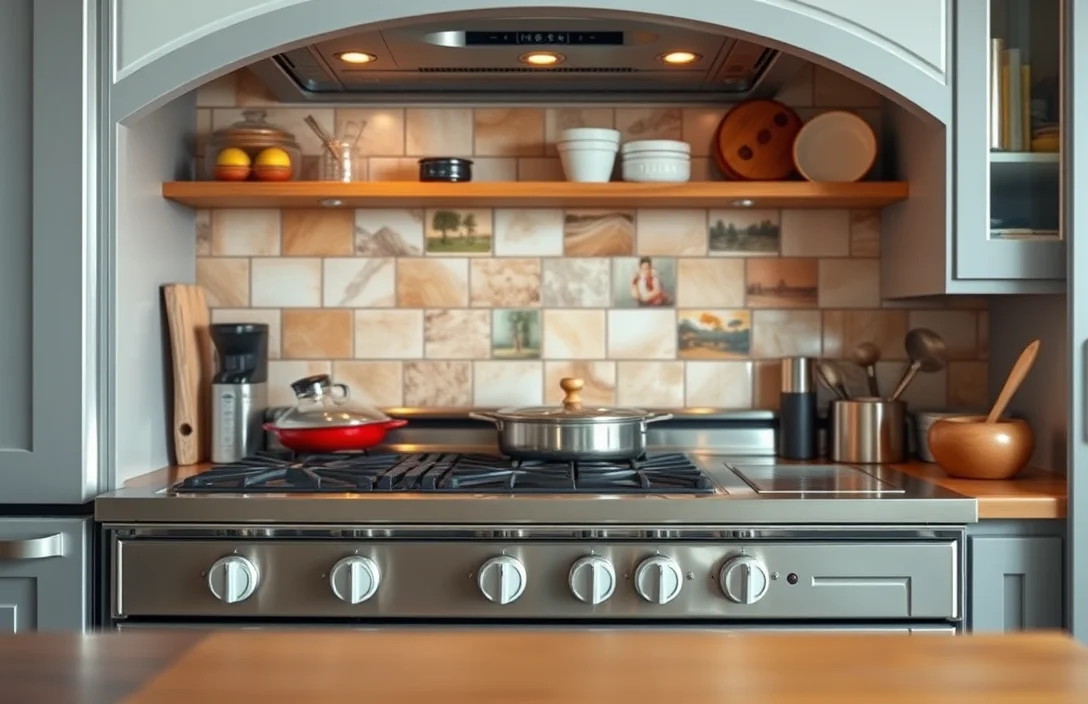
Seventy-five percent of American households have either a stove or a range, making these appliances essential for daily cooking tasks. Understanding the differences and uses of these kitchen staples can significantly enhance your culinary experience and efficiency in the kitchen.
Stoves and ranges serve distinct purposes: stoves refer to the cooking surface, while ranges combine the stove and oven in one unit. Knowing this difference helps in selecting the right appliance for your culinary needs.
Understanding Different Stove Types
Electric stoves provide a consistent heat source, making them popular among home cooks. They typically feature smooth ceramic or coil burners that are easy to clean. Many models have built-in timers and temperature controls, enhancing cooking precision. For those who enjoy baking, electric ovens often offer superior temperature regulation, ideal for achieving perfect results.
Gas stoves utilize natural gas or propane, offering quick and adjustable heat. Chefs favor them for their instant temperature changes, which enhance cooking techniques like sautéing. Many models include a griddle or grill option, expanding cooking versatility. Additionally, gas burners tend to provide a visual cue for heat adjustments, allowing for better control over the cooking process.
Induction stoves operate using electromagnetic energy, heating pots and pans directly rather than the burner surface. This technology offers rapid heating and energy efficiency, appealing to eco-conscious cooks. Safety features, such as automatic shut-off and cool-to-the-touch surfaces, make induction models a smart choice for families. Compatibility with specific cookware, however, is essential to ensure effectiveness.
Portable stoves are ideal for those with limited kitchen space or for outdoor cooking. These compact options often run on propane or butane, making them versatile for camping or tailgating. Many models are lightweight and easy to transport, yet they can still provide sufficient heat for various cooking tasks. Features like adjustable burners enhance their usability in diverse settings.
Exploring Range Features and Benefits
Versatility defines ranges, allowing multiple cooking methods simultaneously. With a combination of burners and an oven, users can sauté vegetables while baking bread, enhancing meal preparation efficiency. This functionality suits both novice cooks and experienced chefs, enabling various culinary techniques within one appliance.
Efficiency improves with modern ranges, featuring advanced technologies like convection ovens. These models circulate hot air for even cooking, reducing meal prep time and energy consumption. Home cooks can achieve professional-grade results without the need for extensive kitchen equipment.
Control options vary significantly among ranges. Models equipped with digital displays and touch controls provide precise temperature settings, while traditional knobs offer a tactile cooking experience. Choosing the right interface depends on personal preference and cooking style.
Size matters when selecting a range. Standard widths include 30 inches, but options range from compact models for small spaces to larger versions for expansive kitchens. Knowing kitchen dimensions ensures the chosen appliance fits well and complements existing decor.
Safety features enhance user peace of mind. Look for ranges with automatic shut-off, child locks, and flame failure devices. These components minimize risks, making cooking safer for families and less experienced chefs.
Comparing Gas and Electric Stoves
Gas stoves provide instant heat, allowing precise temperature control. Many professional chefs prefer them for their responsiveness during cooking. Flames can be easily adjusted, making it simpler to achieve the desired heat level quickly. Additionally, gas stoves typically work during power outages, ensuring continuous functionality.
Electric stoves offer consistent heating, which can be beneficial for certain cooking techniques such as simmering. The smooth surface of many electric stoves also makes cleaning easier compared to gas burners. Additionally, electric models often include features like self-cleaning options, which save time and effort in kitchen maintenance.
Cost considerations differ significantly; gas stoves generally have lower operational costs if natural gas is available. Electric stoves might have higher upfront costs but can be more affordable to purchase initially. Evaluating local energy prices is crucial for determining long-term expenses.
Safety features vary between the two types. Gas stoves require proper ventilation to prevent gas buildup, while electric stoves may feature automatic shut-off options. Understanding these safety aspects can influence your choice, especially in family or shared living situations.
Environmental impacts also differ. Gas stoves emit carbon emissions, while electric models can be powered by renewable energy sources, depending on your electricity provider. Choosing a stove with lower environmental impact could align with personal values regarding sustainability.
Benefits of Induction Cooking Technology
Precision heating is a standout feature of induction cooktops. They use electromagnetic energy to directly heat pots and pans, allowing for rapid temperature adjustments. This technology minimizes heat loss, ensuring that energy is used efficiently and effectively. Such efficiency not only cooks food faster but also reduces energy bills over time.
Safety is significantly enhanced with induction. Cooktops remain cool to the touch, reducing the risk of burns. Once the cookware is removed, the heat immediately stops, providing peace of mind, especially in households with children or pets. This feature makes induction an appealing choice for busy kitchens.
- Speed of cooking is remarkable. Induction can boil water in half the time compared to traditional methods.
- Cleaning becomes hassle-free due to the smooth, flat surface. Spills do not burn onto the cooktop, making maintenance easy.
- Temperature control is precise, allowing for delicate cooking techniques such as simmering and melting without scorching.
Versatility is another advantage. Induction cooktops can accommodate various cookware types, including stainless steel and cast iron, broadening cooking possibilities.
Evaluating Oven Capacity for Your Needs
Capacity matters significantly when selecting your cooking appliance. Assess the size of your household and cooking habits. A small family may require a compact oven, while larger families or those who entertain often benefit from a spacious model. Adequate capacity ensures you can prepare multiple dishes simultaneously, saving time and effort.
Measurements play a crucial role in fitting your appliance into the kitchen. Standard ovens typically range from 4.5 to 6.0 cubic feet. If you often roast large cuts of meat or bake multiple trays of cookies, consider models with greater cubic footage. You want to ensure there’s ample room for your favorite cookware.
Features such as multiple racks enhance the cooking experience. Ovens with adjustable racks allow for versatile cooking arrangements, accommodating various dish sizes. Models with convection settings circulate air for even cooking, which is valuable for larger meals. Look for options that provide flexibility based on your cooking style.
Weight capacity also impacts your choice. Some ranges support heavier dishes better than others. If you plan on using cast iron or other heavy cookware, verify that the oven can handle the weight without compromising performance. Checking this specification can prevent future issues.
Compatibility with cookware should also be a priority. Ensure that your preferred pots and pans fit comfortably within the oven space. If you’re investing in new cookware, consider how it will work with your chosen appliance’s dimensions. Proper fit leads to better cooking results and overall satisfaction.
Cleaning and Maintenance Best Practices
Regular cleaning ensures optimal performance and longevity. For both stoves and ranges, clean surfaces immediately after cooking to prevent food particles from hardening. Use appropriate cleaning agents based on the material, such as stainless steel cleaner for stainless surfaces or a gentle soap solution for enamel finishes.
Utilizing a few basic tools can simplify the maintenance process:
- Soft cloths for wiping down surfaces.
- Sponges for scrubbing tough stains.
- Brushes for cleaning burners and grates.
- Vacuum for removing debris from hard-to-reach areas.
Inspecting components regularly helps identify issues early. Check burners for proper functioning and ensure there are no clogs. Cleaning the oven interior periodically prevents smoke and odors during cooking.
Replacing worn parts can improve efficiency. If knobs or burners become damaged, consider replacements to maintain usability. Always refer to the manufacturer’s guidelines for specific maintenance recommendations tailored to your appliance.
Price Comparison for Stoves and Ranges
Budget considerations significantly impact your choice. Stoves typically range from $300 to $1,500, depending on the brand and features. Ranges, which offer more functionality, often start around $500 and can exceed $3,000. Understanding these price points helps align your purchase with your financial limits.
Researching brands reveals variations in pricing. Premium brands may offer advanced features and superior materials, which can justify higher costs. Conversely, more budget-friendly options may sacrifice some features but still provide essential cooking capabilities suitable for everyday use.
Comparing energy efficiency can also influence long-term costs. Electric models generally require less upfront investment, while gas units may have higher initial costs but lower operating expenses. Evaluating energy sources in your area can provide insight into potential savings over time.
Considering warranties and service plans adds another layer to your budget. Extended warranties can protect your investment, often covering repairs for several years. Always read the fine print to understand what is included and whether additional costs are involved.
Assessing total ownership costs, including installation and maintenance, is crucial. Professional installation fees can vary widely, often adding several hundred dollars to your overall expense. Planning for these costs ensures a more accurate budget and avoids unexpected financial strain.
Quick Summary
- A stove or range is a kitchen appliance used for cooking food.
- Stoves can be powered by gas, electricity, or induction technology.
- Ranges typically combine a stove with an oven for baking and roasting.
- Different types of cooktops include coil, smooth-top, and gas burners.
- Features may include self-cleaning ovens, timers, and smart technology integration.
- Safety features, such as auto shut-off and flame failure devices, are important considerations.
- Regular maintenance is essential for optimal performance and longevity.
Frequently Asked Questions
What is the difference between a stove and a range?
A stove typically refers to the cooking appliance that includes burners on the top, while a range is a combination of a stove and an oven. In common usage, the terms are often used interchangeably, but a range implies both cooking surfaces and baking capabilities.
What types of stoves or ranges are available?
There are several types of stoves and ranges, including gas, electric, and induction models. Each type has its own advantages, such as gas offering instant heat, electric providing even cooking, and induction being energy-efficient and quick to respond.
How do I choose the right stove or range for my kitchen?
Consider factors such as the type of fuel available in your home, your cooking style, and the space you have. Additionally, think about features you may want, such as convection ovens, multiple burners, or smart technology.
What maintenance do stoves and ranges require?
Regular maintenance includes cleaning the surfaces, checking and replacing filters if applicable, and inspecting burners and oven elements for wear. For gas ranges, it’s also important to ensure that the burners ignite properly and there are no gas leaks.
Are there any safety tips for using a stove or range?
Always supervise cooking, keep flammable items away from heat sources, and use pot holders to prevent burns. Additionally, ensure good ventilation while cooking and never leave the stove unattended when in use.
