
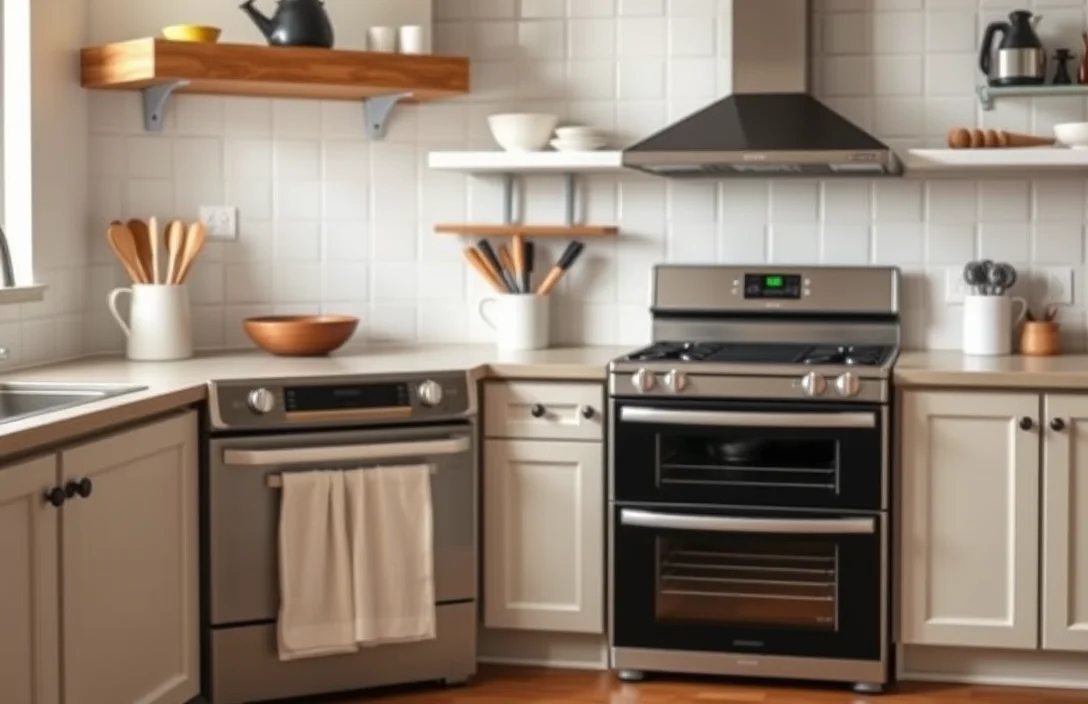
Over 90% of American households use either a stove or a range for cooking, yet many confuse the two terms. Understanding the distinction can enhance your kitchen experience and guide your purchasing decisions, ensuring you choose the right appliance for your culinary needs.
Stoves are typically standalone cooking appliances, while ranges combine both an oven and cooktop. Knowing this difference can help you select the best option based on your cooking style and kitchen space.
Definitions of Stove and Range
A stove typically refers to a cooking appliance with burners on top for heating pots and pans. Its primary function is to provide direct heat for cooking food, often using gas or electricity. Stoves can be standalone units or part of a larger cooking appliance.
A range combines a stove with an oven, offering both cooking and baking capabilities in one unit. Ranges include burners for stovetop cooking and an enclosed oven for baking, broiling, or roasting. This versatility makes ranges essential in most kitchens.
Models vary widely, with some featuring advanced technology like convection ovens or smart cooking settings. Home cooks often prefer ranges for their multifunctionality, while professional chefs may lean towards standalone stoves for specific cooking techniques. Selecting the right appliance depends on cooking habits and kitchen space.
Types of Stoves Available
Electric stoves are popular for their convenience and ease of use. They consist of heating elements that generate heat through electric coils or smooth top surfaces. Many models offer features like self-cleaning options and precise temperature control, making them suitable for everyday cooking.
Gas stoves provide instant heat and are favored by professional chefs. Flames allow for precise temperature adjustments, making it easier to achieve desired cooking results. Compatibility with various cookware types adds to their versatility, appealing to those who prioritize performance in their kitchen.
Induction stoves utilize electromagnetic energy to directly heat pots and pans. This method ensures quick heating and energy efficiency while maintaining a cool cooking surface. Safety features, such as automatic shut-off and child locks, make induction a popular choice for families.
Portable stoves offer flexibility for cooking in various locations. These compact units often run on propane or butane, making them ideal for camping, tailgating, or small kitchens. Their lightweight design and easy setup cater to those who need mobility in their cooking solutions.
Hybrid stoves combine electric and gas features, allowing users to enjoy the benefits of both types. Models often include gas burners for quick heat and electric ovens for consistent baking results. This versatility attracts home cooks looking for a comprehensive cooking experience.
Key Functional Differences
Stoves and ranges serve distinct purposes in the kitchen. A stove typically refers to the cooking surface with burners or heating elements, while a range combines both the stove and an oven in one unit. Understanding these differences helps ensure you choose the right appliance for your cooking needs.
Burners on a stove offer versatility. They come in various configurations, such as gas, electric, or induction, giving cooks different options for heat control. This flexibility allows for precise temperature management, which is crucial for successful cooking.
Ovens integrated into ranges provide additional functionality. Ranges often feature multiple cooking modes, such as baking, broiling, and roasting, allowing for a broader spectrum of culinary techniques. This versatility can enhance meal preparation efficiency, especially for larger families or entertaining guests.
Space considerations play a significant role in appliance selection. Stoves generally require less room than ranges, making them ideal for compact kitchens. Conversely, ranges combine both cooking and baking capabilities, maximizing functionality without needing separate appliances.
Cost varies significantly between the two options. Stoves may be less expensive upfront, while ranges often represent a greater investment due to their dual functionality. Evaluating your budget against cooking needs will guide you in making a financially sound decision.
Cooking Performance Comparison
Performance varies significantly between stoves and ranges, impacting your cooking experience. Understanding their strengths helps in selecting the best fit for your culinary needs. Here’s a detailed comparison based on various cooking scenarios.
- Heat distribution plays a crucial role. Stoves often provide more even heating, making them ideal for delicate dishes. Ranges may have hot spots, affecting cooking consistency, especially in baking.
- Temperature control is essential for precise cooking. Stoves usually feature more responsive knobs, allowing quick adjustments. Ranges sometimes have less sensitivity, making fine-tuning challenging.
- Cooking capacity influences meal preparation. Stoves typically offer larger surface areas for multiple pots. Ranges might limit simultaneous cooking options, impacting meal efficiency.
- Versatility enhances culinary creativity. Many stoves come equipped with specialized burners like simmer or wok options. Ranges may lack these features, restricting cooking techniques.
- Cleaning ease varies between the two. Stoves often have removable grates and smooth surfaces, simplifying cleanup. Ranges may require more effort due to complex designs and integrated features.
Installation Requirements for Stoves and Ranges
Proper installation of stoves and ranges is crucial for safety and efficiency. Ensure that your kitchen has adequate electrical or gas connections based on the appliance type. For electric models, a dedicated circuit is necessary to handle the required amperage. Gas models need a natural gas line and appropriate venting for combustion byproducts.
Compliance with local codes is essential. Verify that all installations adhere to building regulations and manufacturer guidelines. Hiring a certified technician is advisable, as they will ensure that connections are secure and functioning correctly. They can also assist with any necessary permits.
Space considerations play a vital role in installation. Measure the area where the stove or range will be placed, ensuring there is enough clearance for proper airflow and accessibility. Consider countertop height and surrounding cabinetry to guarantee a seamless fit.
Ventilation must be addressed for optimal cooking conditions. Install range hoods or downdraft systems to remove smoke and odors effectively. Proper airflow helps maintain a comfortable kitchen environment and prevents buildup of harmful gases.
Final touches include ensuring level placement. Use a level to verify that the appliance sits evenly, which prevents issues like spills and uneven cooking. Adjust the legs or feet of the unit as necessary to achieve a stable installation.
Maintenance and Care Tips
Cleaning and caring for your cooking appliances ensures longevity and optimal performance. Regular maintenance prevents the buildup of grime and grease, which can lead to inefficiency or even damage. Follow these practical steps to keep your stove or range in top shape.
- Wipe surfaces after use. Regularly clean the cooktop and surrounding areas with a damp cloth to remove spills and stains. This prevents hard-to-remove residue from building up over time.
- Inspect burners and grates frequently. Ensure that burners ignite properly and that grates are free from debris. Clean them according to the manufacturer’s instructions to maintain functionality.
- Check vent hoods regularly. Clean filters and surfaces to prevent grease accumulation. A clean vent hood improves air circulation and reduces fire hazards in the kitchen.
- Test oven temperature accuracy. Use an oven thermometer to verify that your oven maintains the correct temperature. Adjust settings or call a professional if discrepancies arise.
- Schedule annual professional servicing. Engaging a technician for a yearly inspection keeps your appliance running efficiently and addresses any hidden issues before they become significant problems.
Quick Summary
- A stove typically refers to a cooking appliance with burners for heating pots and pans.
- A range combines both a stove (cooktop) and an oven in one unit.
- Stoves can be standalone units, while ranges are usually built-in appliances.
- Both stoves and ranges can be powered by gas, electricity, or induction.
- Ranges often offer more cooking features, such as multiple oven settings and additional burners.
- Choosing between a stove and a range depends on kitchen space, cooking habits, and preferences.
- Modern ranges may include advanced technology like smart controls and self-cleaning options.
Frequently Asked Questions
What is the difference between a stove and a range?
A stove typically refers to the cooktop where pots and pans are placed for cooking. A range, on the other hand, includes both the cooktop and the oven as a combined unit.
Can I use the terms stove and range interchangeably?
While many people use the terms interchangeably, it’s more accurate to refer to a range when discussing both the cooktop and oven together. Using the correct term can help avoid confusion when shopping or discussing kitchen appliances.
Are there different types of stoves and ranges?
Yes, there are various types of stoves and ranges, including gas, electric, and induction models. Each type has its own advantages, such as heat control, energy efficiency, and cooking speed.
Which is better for cooking, a stove or a range?
The choice between a stove and a range depends on your cooking habits and kitchen space. A range is often more versatile because it combines cooking and baking functions, making it ideal for those who cook frequently.
How do I choose the right stove or range for my kitchen?
Consider factors such as the size of your kitchen, your cooking style, and your budget. Additionally, think about the fuel type, features you desire, and whether you prefer a built-in or freestanding model.
