
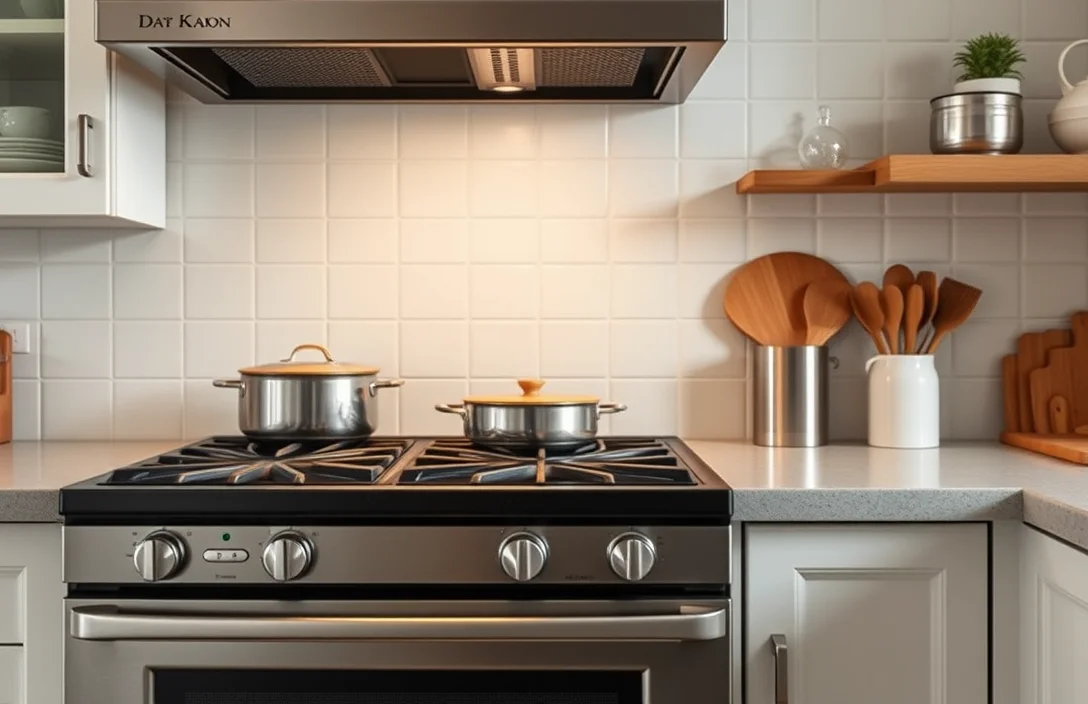
Nearly 80% of home cooks are confused about the differences between a range, oven, and stove, leading to poor purchasing decisions. Knowing these distinctions can greatly enhance your cooking experience and ensure you choose the right appliance for your kitchen needs.
Ranges combine an oven and stove in one unit. Ovens bake and roast food, while stoves provide direct heat for cooking. Each appliance serves specific functions, so understanding them helps you select what fits your cooking style.
Understanding the Range and Its Features
A range is a versatile kitchen appliance that combines both a cooktop and an oven into one unit. This setup allows you to cook on the stovetop while simultaneously baking or roasting in the oven. Ranges come in various fuel types, including gas and electric, catering to different cooking preferences and styles.
Commonly found in most kitchens, ranges provide multiple burners on the cooktop, which can accommodate different pot sizes and cooking methods. Typical configurations include four to six burners, with options for high-powered burners for quick boiling or simmering features for delicate sauces. The oven section usually offers various cooking settings, such as convection, broil, and bake, enhancing your culinary capabilities.
Sizes vary, with standard widths typically ranging from 30 to 36 inches, making it essential to measure your kitchen space before purchasing. Some models include advanced features like self-cleaning options, smart technology for remote operation, and integrated griddles or grills, adding convenience to your cooking experience. A range is an all-in-one solution that simplifies meal preparation and enhances kitchen functionality.
Defining the Oven and Its Uses
Ovens are essential kitchen appliances designed for baking, roasting, and broiling. They offer consistent heat distribution, making them ideal for a variety of cooking tasks. Most home ovens come in different types, including conventional, convection, and toaster ovens, each serving unique purposes. Understanding these differences can help you select the right model for your cooking style.
Conventional ovens rely on radiant heat from elements at the top and bottom, perfect for baking cookies and cakes. Convection ovens, equipped with fans, circulate hot air, allowing for even cooking and shorter baking times. This feature is especially useful for roasting meats and vegetables, providing a crispy exterior while keeping the inside moist.
Toaster ovens are versatile for smaller tasks, such as reheating leftovers or toasting bread. They consume less energy than full-sized ovens, making them a practical choice for quick meals. Knowing the specific functions and benefits of each type will help you optimize your cooking experience.
Temperature control is another key feature. Most ovens have adjustable thermostats, allowing you to set the desired cooking temperature accurately. This ensures that your dishes cook evenly and achieve the intended flavors. Familiarizing yourself with these aspects will enhance your confidence in the kitchen.
Exploring the Stove and Its Functions
Stoves serve as essential cooking appliances, combining burners and sometimes an oven for versatile meal preparation. Typically, you find either gas or electric stoves in kitchens. Gas stoves use flames for immediate heat control, while electric stoves rely on heating elements for consistent cooking temperature.
- Gas stoves ignite with a flame, providing instant heat. Adjusting the knob changes the flame size, allowing for precise temperature control. This feature is crucial for techniques like sautéing or simmering.
- Electric stoves heat through coils or smooth glass surfaces. These models take longer to reach desired temperatures, but they offer a stable cooking surface ideal for boiling and frying.
- Many stoves include additional features, such as built-in timers or digital displays. These functions help ensure that dishes cook properly and can enhance the overall cooking experience.
- Cleaning stoves can vary based on type. Gas burners often require more maintenance, while smooth electric surfaces are easier to wipe down. Regular cleaning prevents buildup and maintains appliance performance.
- Most modern stoves integrate seamlessly with ranges and ovens, providing a cohesive cooking experience. Understanding how each component functions allows for better meal planning and execution.
Distinguishing Key Differences Among Appliances
Ranges combine both cooking surfaces and ovens into one appliance, providing a versatile solution for many kitchens. The cooktop area, often featuring burners, allows for various cooking methods, while the oven section is ideal for baking and roasting. This all-in-one design saves space and offers convenience, especially in smaller kitchens or apartments.
Ovens solely focus on baking, roasting, and broiling. They can be standalone units or part of a range. Users often find them essential for dishes that require precise temperature control over a longer cooking time, such as casseroles or baked goods. Knowing that they can operate independently helps in planning meal preparation.
Stoves, in contrast, refer specifically to the cooktop area with burners. They provide immediate heat for frying, boiling, or sautéing. Stoves can be part of a range or a separate unit. Their design allows for quick adjustments to heat, making them perfect for tasks that require rapid temperature changes, like stir-frying.
| Appliance | Function | Features |
|---|---|---|
| Range | Cooking and baking | Cooktop + oven |
| Oven | Baking and roasting | Standalone or range |
| Stove | Cooking on burners | Standalone or range |
Selecting the right appliance depends on your cooking needs and kitchen space. Ranges offer versatility, ovens excel in baking, and stoves are best for stovetop cooking. Assess your cooking habits to make an informed choice that suits your lifestyle.
Evaluating Cooking Methods and Techniques
Each appliance supports different cooking styles, catering to various culinary preferences. Knowing how to utilize a range, oven, or stove can enhance your cooking experience. Below are key points illustrating how these tools fit into distinct cooking techniques.
- Ranges combine both cooking methods. They typically feature a cooktop for stovetop cooking and an oven for baking. This versatility allows you to prepare multiple dishes simultaneously, making them ideal for large meals.
- Ovens excel at baking and roasting. They provide even heat distribution, crucial for making bread, cakes, or roasting meats. Home bakers often prefer this appliance for achieving consistent results.
- Stoves offer quick, adjustable heat. They are perfect for boiling, frying, and sautéing. Home cooks who enjoy making sauces or stir-frying will find a stove particularly beneficial.
- Specialty ranges cater to gourmet cooking. High-end models may include features like convection ovens or induction cooktops, appealing to those with advanced cooking styles.
- Compact options suit small spaces. If your kitchen is limited on square footage, consider a combination appliance that integrates features of both the oven and stove without sacrificing functionality.
Assessing Size, Capacity, and Installation Needs
Measurements of your kitchen space dictate appliance selection. Before purchasing a range, oven, or stove, measure the available area. Ensure there’s enough clearance for door swings and that ventilation requirements are met. Common dimensions for ranges and stoves are 30 inches wide, but variations exist, so check specific models.
Capacity considerations affect cooking efficiency. Ranges often combine an oven and cooktop, making them versatile for various meals. If you cook for larger groups, look for wider ranges or ovens with higher cubic feet capacity. Smaller models may suffice for singles or couples, ensuring you choose an appliance that fits your cooking habits.
Installation needs vary by appliance type. Ranges typically require a gas line or electrical outlet, while ovens may need additional wiring for built-in models. Be mindful of local codes and seek professional installation guidance if unsure. Knowing what’s necessary upfront can save time and frustration during the setup process.
Analyzing Cost and Energy Efficiency
Cost and energy efficiency significantly impact your decision on kitchen appliances. Ranges, ovens, and stoves vary in price and operating expenses. Generally, electric models tend to be less expensive upfront, while gas options may have lower operating costs due to cheaper fuel prices. Consider your cooking habits to determine which type aligns best with your budget.
Energy consumption is another critical aspect. Electric stoves tend to use more energy than gas stoves, which heat up quickly and provide instant temperature control. Ranges that combine both electric and gas features can offer versatility but may not always be the most efficient option. Look for energy-efficient models that have an Energy Star rating. They can save you money on utility bills in the long run.
Calculating the total cost of ownership, including maintenance and repair, is essential. While a higher initial investment may seem daunting, choosing a high-quality appliance could lead to lower repair costs over time. Always compare warranties and after-sales service options, as these can affect your overall satisfaction and future expenses.
Quick Summary
- A range combines both an oven and a cooktop in one appliance.
- An oven is primarily used for baking, roasting, and broiling food.
- A stove refers to the cooktop surface where pots and pans are placed for cooking.
- Ranges can be powered by gas, electricity, or induction.
- Stoves can be standalone units or part of a range.
- Ovens come in various types, including conventional, convection, and toaster ovens.
- Understanding the differences helps in choosing the right cooking appliance for your needs.
Frequently Asked Questions
What is the difference between a stove and an oven?
A stove refers to the top cooking surface that usually has burners for pots and pans, while an oven is the enclosed space below or beside the stove used for baking and roasting foods. In many cases, the two are combined in a single appliance called a range.
What is a range?
A range is an all-in-one appliance that combines both a stove (the cooktop) and an oven. It provides a convenient solution for cooking, allowing you to prepare multiple dishes simultaneously with both surface and baking options.
Can I use an oven for cooking everything?
While an oven is excellent for baking, roasting, and broiling, it is not ideal for tasks that require stovetop cooking, such as boiling pasta or sautéing vegetables. Each cooking method has its strengths, so using both a stove and an oven is often necessary for a full range of cooking techniques.
Do I need a range if I have a separate oven and stove?
No, you do not need a range if you already have a separate oven and stove. Many people choose this setup for flexibility, allowing them to use each appliance independently. However, a range can save space in smaller kitchens and provide a streamlined look.
What should I consider when choosing between a range, oven, and stove?
When choosing your cooking appliances, consider your cooking habits, the size of your kitchen, and your budget. Think about whether you prefer a compact range for efficiency or separate units for versatility and how often you bake versus cook on the stovetop.
