
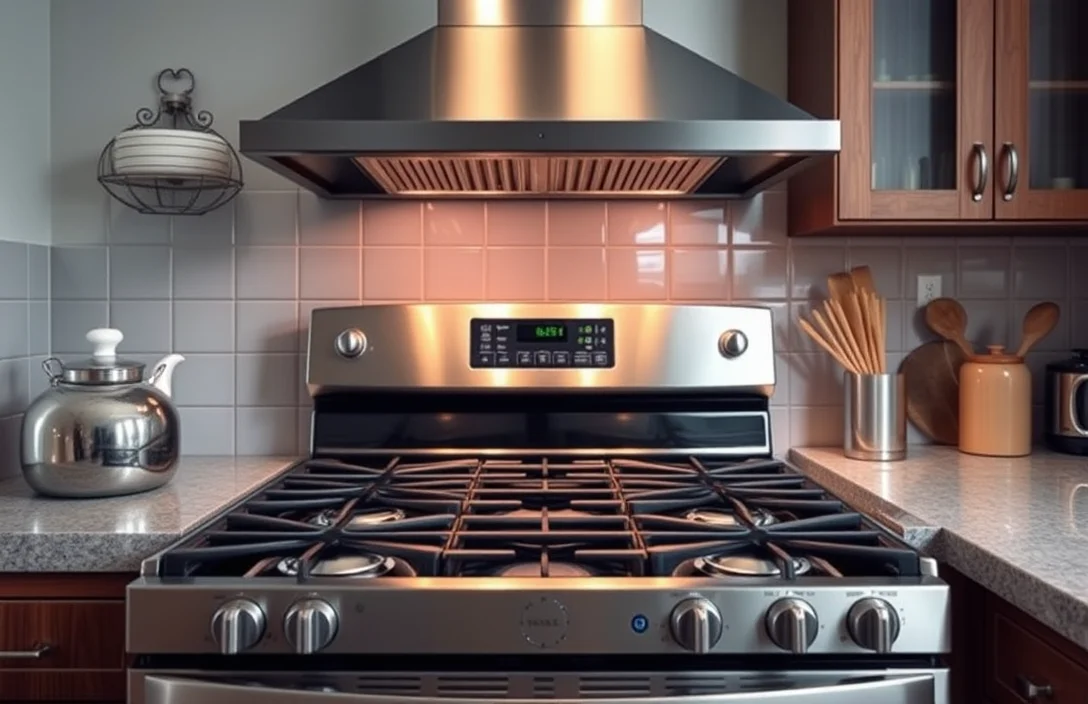
Seventy percent of households in the U.S. use either a range or stove for cooking, yet many confuse the two terms. Understanding their differences can significantly impact your cooking experience and kitchen efficiency. Knowing which is suitable for your needs is crucial.
Ranges combine both cooking surfaces and ovens, while stoves generally refer to just the cooking surface. Key features include fuel types, size options, and additional functionalities. Making an informed choice can enhance your culinary endeavors.
Definition and Purpose of a Range
A range is a cooking appliance combining a cooktop and an oven into one unit. It allows users to perform multiple cooking tasks simultaneously, such as boiling, frying, and baking. Ranges are essential for most kitchens, providing versatility and convenience for various cooking methods.
Typically, ranges come in gas, electric, or dual-fuel options. Gas models offer immediate heat adjustments, while electric versions provide consistent temperatures. Dual-fuel ranges combine the benefits of both, featuring gas cooktops and electric ovens for precise baking.
Most ranges include several burners on the cooktop, usually with varying sizes and power outputs. This design accommodates different pots and pans, making it easier to prepare a variety of dishes at once. Ranges may also feature additional options, such as griddles or convection ovens, enhancing their functionality.
Built-in controls for temperature regulation and timers further simplify cooking processes. Many modern ranges come equipped with smart technology, allowing users to monitor and control cooking remotely through mobile devices. This advancement adds convenience and precision to everyday cooking tasks.
Understanding the Concept of a Stove
Stoves serve as essential cooking appliances, primarily designed for heating and cooking food. Unlike ranges, which combine cooking surfaces and ovens, stoves focus solely on the top surface where pots and pans are placed. Various configurations exist, including gas, electric, and induction models, each offering distinct heating methods for culinary tasks.
- Heating elements determine cooking efficiency. Gas stoves generate direct flames, allowing instant temperature control. Electric stoves utilize coils or smooth tops, providing consistent heat but slower response times. Induction stoves use magnetic fields to heat cookware directly, ensuring rapid cooking and energy efficiency.
- Surface materials impact durability and ease of cleaning. Stainless steel and ceramic tops resist stains and scratches, while traditional cast iron provides excellent heat retention. Selecting a stove with the right material can enhance both performance and maintenance.
- Variety in burner sizes caters to different cooking needs. Large burners accommodate larger pots, while smaller ones are suitable for delicate tasks like simmering sauces. Understanding burner configurations helps optimize cooking processes.
- Control mechanisms vary among stoves, affecting user experience. Knobs offer tactile feedback, while digital controls provide precise temperature settings. Choosing the right control type can enhance cooking precision and convenience.
Varieties of Ranges Available
Ranges come in various types, each with distinct features tailored to different cooking styles. Gas ranges offer immediate heat control and are preferred by many chefs for their responsiveness. Electric ranges provide consistent heat distribution, making them ideal for baking and roasting. Dual-fuel ranges combine the best of both worlds, featuring a gas cooktop with an electric oven.
Induction ranges utilize magnetic technology for rapid heating, ensuring energy efficiency and safety, as the surface remains cool to the touch. Professional-grade ranges cater to serious home cooks and often include multiple burners, larger ovens, and advanced features for high-volume cooking. Compact models are excellent for small kitchens, offering essential functions without occupying much space.
Specialty ranges, such as those with built-in griddles or woks, cater to specific cooking needs, enhancing versatility in meal preparation. Smart ranges incorporate technology, allowing users to control and monitor cooking via smartphone apps. Understanding the variety of ranges available helps in selecting one that best fits your culinary requirements and kitchen layout.
Diverse Types of Stoves Explained
Gas stoves operate using natural gas or propane, providing immediate heat and precise temperature control. Chefs often prefer them for their quick response time to adjustments in flame. These stoves typically include multiple burners, allowing for simultaneous cooking at different temperatures, which is ideal for busy kitchens.
Electric stoves use heating elements to generate heat, offering a steady and uniform cooking surface. They often feature smooth tops for easy cleaning and are popular in many households. Some models include induction heating, which uses electromagnetic energy to heat cookware directly, making them energy-efficient and safe.
Wood-burning stoves provide a rustic cooking experience, perfect for outdoor settings or homes seeking energy independence. They require a steady supply of wood and can take longer to heat up. However, they offer a unique flavor to food cooked over an open flame, appealing to outdoor enthusiasts and traditionalists.
Convection stoves utilize fans to distribute heat evenly throughout the oven, ensuring consistent cooking results. These models are beneficial for baking, as they reduce cooking times and enhance browning. They are increasingly common in modern kitchens, catering to those who prioritize efficiency and even cooking.
Portable stoves are compact and ideal for camping or small kitchens. These lightweight options often run on propane or butane and are easy to store when not in use. Their versatility makes them perfect for outdoor picnics or as a backup cooking source in case of power outages.
Key Features of Ranges and Stoves
Size and configuration differentiate ranges from stoves significantly. Ranges typically combine an oven and cooktop, offering a comprehensive cooking solution. In contrast, a stove may refer solely to the cooktop or even include separate appliances like ovens. Understanding these configurations helps homeowners make informed decisions based on kitchen space and cooking needs.
Functionality plays a crucial role as well. Ranges often come with multiple burners and advanced features such as convection ovens, self-cleaning modes, or smart technology. Stoves, while effective, might not include these sophisticated options, focusing instead on basic cooking capabilities. Assessing individual cooking styles can guide the selection of an appropriate appliance.
| Feature | Range | Stove |
|---|---|---|
| Oven Included | Yes | No (typically) |
| Advanced Features | Often includes | Basic functionality |
| Space Requirements | Larger footprint | Varies |
| Versatility | High | Moderate |
Price ranges also vary significantly between the two. Ranges tend to be more expensive due to their multifunctionality and advanced features. Stoves, especially simpler models, often come at a lower price point, making them accessible for budget-conscious consumers. Evaluating your budget alongside cooking requirements can lead to a more suitable choice.
Cooking Performance: Ranges vs Stoves
Performance varies significantly between these appliances, affecting cooking efficiency. Ranges typically feature multiple heating elements and a larger oven capacity, enhancing the ability to prepare complex meals simultaneously. Stoves, while efficient for basic cooking tasks, may lack the same versatility when it comes to simultaneous cooking methods.
Heat distribution plays a crucial role in cooking performance. Ranges often offer convection options, which circulate hot air for even cooking. Stoves generally rely on traditional heating methods, which can lead to hot spots and uneven results. Choosing a range with convection capabilities may yield more consistent baking and roasting outcomes.
Power levels differ as well. Ranges usually provide higher BTU outputs, especially in the burners, allowing for faster heating and boiling. This feature is particularly beneficial for tasks like searing meats or boiling water quickly. Stoves may not match this intensity, making them less efficient for high-heat cooking.
Versatility defines a range’s cooking performance. Many models allow for various cooking methods such as broiling, baking, and simmering, all within one appliance. Stoves may offer limited options, focusing primarily on stovetop cooking. This can restrict culinary creativity, particularly for those who enjoy experimenting with different techniques.
Efficiency impacts energy consumption. Ranges tend to have better insulation and energy-saving features, making them more economical in the long run. Stoves can consume more energy over time due to less efficient heating methods, which may affect utility bills for frequent users.
Installation and Maintenance Considerations
Proper installation of both tools is crucial for optimal performance. Ranges typically require a gas line or electrical outlet, depending on the model. Stoves may have similar requirements but can also be standalone units that simply plug into a wall. Ensure compliance with local safety codes during installation to prevent hazards.
Regular maintenance is essential to extend the lifespan of these appliances. Cleaning surfaces and burners after each use prevents buildup that can affect cooking efficiency. For ranges, checking gas connections and electrical components regularly will help avoid potential malfunctions. Stoves may need less frequent inspections but still benefit from periodic checks.
Professional assistance is advisable for major repairs or installations. Certified technicians can handle gas line installations, ensuring proper connections that meet safety standards. Attempting to repair complex issues without expertise can lead to further damage or safety risks. Always consult with professionals for any serious concerns.
Replacement parts should be sourced from reputable manufacturers. Original parts ensure compatibility and maintain the efficiency of your range or stove. Generic parts may save money initially but could lead to more significant issues down the line. Investing in quality components is wise for long-term satisfaction.
Documentation is vital for both installation and maintenance. Keeping manuals, warranty information, and service records organized will assist in troubleshooting and future repairs. Familiarize yourself with the recommended care guidelines specific to your appliance type to maximize its longevity and effectiveness.
Quick Summary
- A range typically refers to a cooking appliance that combines both a cooktop and an oven.
- A stove usually refers to just the cooktop part of the range, used for cooking on pots and pans.
- Ranges can be powered by gas, electricity, or a combination of both, while stoves can also be powered similarly.
- Ranges often come with additional features such as multiple burners, griddles, and built-in ovens.
- The term “stove” is sometimes used interchangeably with “range,” but technically, they are distinct components.
- When choosing between a range and a stove, consider your cooking habits and kitchen space.
- Modern ranges may also include smart technology for enhanced cooking control and efficiency.
Frequently Asked Questions
What is the difference between a range and a stove?
A range typically refers to a kitchen appliance that combines both a cooktop and an oven. In contrast, a stove can refer to just the cooktop component or a broader category that includes various types of cooking appliances.
Are all ranges equipped with an oven?
Yes, most ranges come with an integrated oven, allowing for both stovetop cooking and baking in one unit. However, there are standalone cooktops that are not considered ranges since they lack an oven.
Can I use a stove without an oven?
Absolutely! A stovetop or cooktop can be used independently for boiling, frying, and sautéing without any need for an oven. This setup is common in smaller kitchens or outdoor cooking environments.
What types of fuel can be used with ranges and stoves?
Ranges and stoves can be powered by various fuels, including gas, electricity, and induction. The choice of fuel often depends on personal preference, cooking style, and the availability of utilities in your home.
Which is better for cooking, a range or a stove?
The choice between a range and a stove largely depends on your cooking habits and kitchen space. Ranges offer versatility with both cooking and baking capabilities, while standalone stoves can be more space-efficient for specific cooking needs.
