
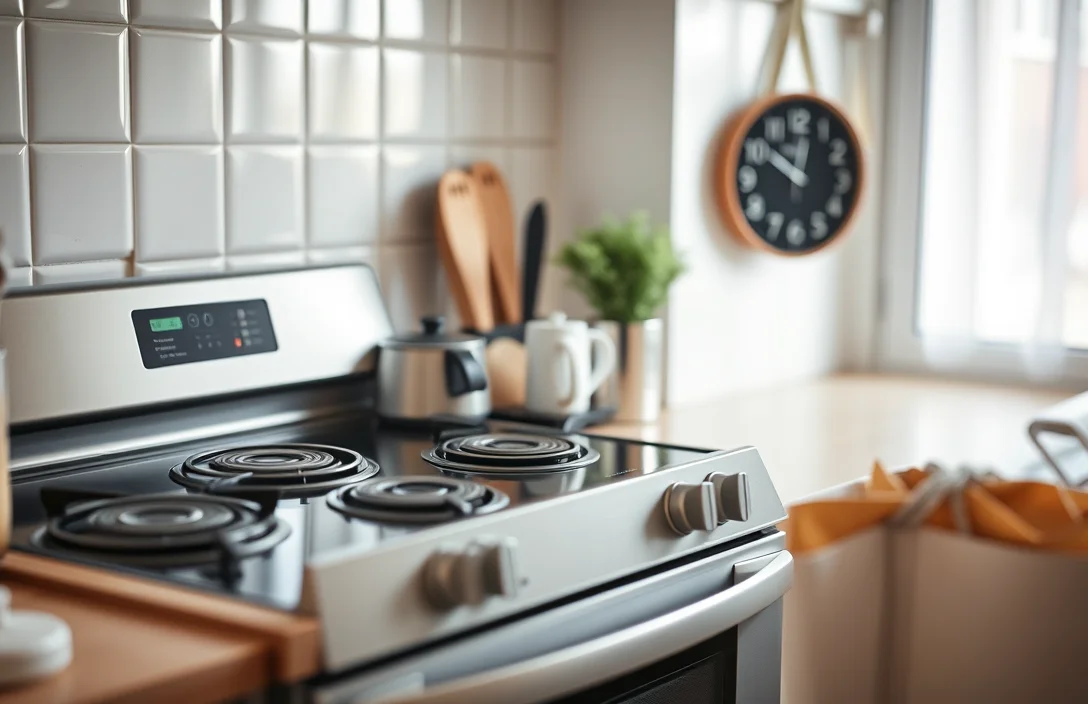
Electric stoves account for over 50% of all cooking appliance sales, demonstrating their popularity and efficiency. Knowing how to use one correctly can significantly enhance your cooking experience, making meals easier and quicker. Mastering the electric stove can elevate your culinary skills instantly.
Operating electric stoves involves familiarizing yourself with controls, selecting the right cookware, and monitoring cooking temperatures. Understanding these aspects ensures safety and efficiency while preparing meals. Quick adjustments and proper techniques lead to optimal cooking results every time.
Exploring Types of Electric Stoves
Electric stoves come in various types, each designed to meet different cooking needs. Coil burners, for instance, are traditional and economical, offering straightforward functionality. Smooth top stoves feature a flat surface that is easier to clean and offers a modern aesthetic. Induction stoves provide rapid heating through electromagnetic energy, which can be more efficient than other types.
Convection models enhance cooking by using fans to circulate heat, resulting in uniform temperature distribution. Each type has unique features that cater to specific cooking styles, such as simmering, frying, or baking. Knowing these options helps you choose a stove that best fits your culinary requirements.
Installation varies among electric stoves, affecting how you set up your kitchen. Built-in models offer a seamless appearance, while freestanding options provide flexibility. Consider your kitchen layout and available space before making a decision.
Features like programmable controls, timers, and safety locks can enhance your cooking experience. Some models come with specialized burners for rapid boiling or warming, adding versatility. Assessing these functionalities will ensure you select an electric stove that aligns with your cooking habits.
Understanding Stove Controls and Settings
Knowing how to navigate the electric stove’s control panel is crucial for effective cooking. Each knob or button serves a specific purpose, allowing you to manage heat settings, timers, and other features. Familiarizing yourself with these controls ensures you can adjust your cooking process seamlessly, enhancing your culinary skills.
- Identify the burner controls. Typically, these controls are located on the front or side of the stove. Each knob corresponds to a specific burner, allowing you to dictate the heat level for individual cooking zones.
- Examine the power settings. Most electric stoves feature graduated settings ranging from low to high. Understanding these levels helps you choose the right amount of heat for different cooking techniques, ensuring optimal results.
- Locate special features. Many electric stoves come with additional functions such as timers, simmer settings, or even safety locks. Familiarize yourself with these features to maximize the capabilities of your appliance.
- Adjust heat quickly. Knowing how to adjust the temperature promptly is key. Practice turning knobs or pressing buttons to find the heat setting that works best for your recipes, ensuring efficient cooking and preventing burning or undercooking.
- Refer to the manual. Manufacturer instructions provide valuable insights specific to your model. Reading the manual helps you understand unique features and operational quirks, enhancing your experience with the appliance.
Setting and Adjusting Temperature Levels
Accurate temperature control is essential for successful cooking. Electric stoves offer various settings that correspond to specific temperature ranges. Knowing how to adjust these settings allows for precise cooking, ensuring that food is cooked evenly and thoroughly without burning or undercooking.
- Identify the temperature range required. Different dishes require specific cooking temperatures to achieve desired results. Familiarize yourself with standard temperature ranges for various cooking methods, such as simmering, boiling, or sautéing.
- Set the knob or dial accordingly. Most electric stoves have numbered settings that correspond to heat levels. For example, a lower number typically indicates a lower heat, suitable for simmering, while a higher number is ideal for boiling or frying.
- Preheat the stove for optimal cooking. Allow the stove to reach the desired temperature before placing cookware on the burner. This step is crucial for achieving consistent cooking results, particularly for baked goods or dishes requiring precise heat.
- Monitor the cooking process closely. Regularly check the food to ensure it cooks evenly. Adjust the temperature settings as needed during cooking to avoid burning or undercooking.
- Utilize the residual heat feature. After turning off the burner, some models retain heat for a short while. This residual heat can be used for finishing dishes or keeping food warm without additional energy consumption.
Choosing and Using Appropriate Cookware
Selecting the right cookware is crucial for effective cooking on electric stoves. Look for flat-bottomed pans that ensure full contact with the heating element. This design helps distribute heat evenly, reducing the chances of hot spots and uneven cooking.
Materials matter significantly. Stainless steel and cast iron are excellent choices, as they retain heat well and provide durability. Non-stick options can also be effective but ensure they are labeled as suitable for electric stoves to avoid damage.
Sizes should match the burners. Using a pan that is too small will waste energy and lead to undercooked food. Conversely, oversized cookware can lead to inefficient heating and longer cooking times. Choose sizes that correspond closely to the burner diameters.
Handles need to be heat-resistant. Cookware with plastic or silicone handles is preferable, as they remain cool to the touch, preventing burns while cooking. Ensure these handles are securely attached for safety during use.
Weight influences stability. Heavier pots and pans are less likely to tip, providing a more stable cooking experience. Lighter cookware may be easier to handle but can be less stable on the stove.
Implementing Cleaning and Maintenance Practices
Regularly cleaning your electric stove ensures optimal performance and longevity. Start with a routine after each cooking session to prevent the buildup of food residues and stains. Address spills immediately, as letting them sit can make cleaning more challenging later.
Use the following steps for effective maintenance:
- Wipe down surfaces with a damp cloth after each use.
- For tougher stains, employ a gentle scrubber and a non-abrasive cleaner.
- Check and clean the burners regularly to avoid uneven heating.
- Inspect the electrical connections for any signs of wear or damage.
Maintain the cooktop surface by avoiding harsh chemicals. Instead, consider a mixture of vinegar and baking soda for natural cleaning. Ensure that any cleaning agents are compatible with your stove’s surface material, especially for glass tops.
Remember to check the user manual for specific care instructions. Following the manufacturer’s guidelines helps prevent damage and ensures your stove operates efficiently for years to come.
Following Safety Precautions While Cooking
Preventing accidents in the kitchen requires strict adherence to safety measures. Always keep flammable materials away from the electric stove. Items like paper towels, dishcloths, and food packaging can easily catch fire if placed too close to hot burners. Make it a habit to check your surroundings before you start cooking.
Maintain a clean workspace to avoid hazards. Spills and grease on the stovetop can lead to fires or slips. Wipe down surfaces regularly and ensure there’s no buildup. Establishing a routine for cleanliness can greatly reduce risks while you cook.
- Always use oven mitts to protect your hands from burns.
- Ensure that pot handles are turned inward to prevent accidental spills.
- Stay attentive while cooking to prevent overheating and fires.
- Never leave cooking food unattended, especially with high heat.
Ensure proper ventilation in your kitchen. Good air circulation helps dissipate smoke and odors, reducing the chance of flare-ups. Open windows or use exhaust fans to maintain a safe cooking environment.
Lastly, familiarize yourself with the stove controls. Knowing how to operate the appliance safely can prevent unintended accidents. Read the manual for any specific safety tips related to your model.
Mastering Common Cooking Techniques
Utilizing an electric stove effectively requires mastering techniques suited for its unique heat distribution. Stir-frying works excellently as it benefits from quick, high heat. Use a flat-bottomed stir-fry pan for even cooking, allowing you to achieve that perfect sear on vegetables and proteins.
Grilling on an electric stove can be achieved through grill pans. These pans provide the desired grill marks and flavor without the need for an outdoor grill. Preheat the pan adequately to ensure a quick and efficient cooking process.
Sautéing is another ideal technique for this type of cooking. Use medium heat to cook ingredients quickly while retaining their moisture and flavor. This method is perfect for smaller cuts of meat and vegetables, ensuring they cook evenly.
Baking on an electric stove can be done using a built-in oven or stovetop methods. For stovetop baking, invest in a heavy-bottomed pot or pan with a tight-fitting lid. This retains heat and moisture, mimicking oven conditions effectively.
Simmering sauces and soups thrives on an electric stove. Lower heat settings allow for a gentle simmer, which enhances flavors. Use a pot that conducts heat evenly to prevent hot spots and burning.
Steaming vegetables is simple with an electric stove. A steamer basket over boiling water retains nutrients and color. Keep the lid on to trap steam and cook vegetables quickly.
Mastering these techniques creates a versatile cooking experience. Experimenting with each method will enhance your skills and confidence in using an electric stove. Enjoy the process and discover new favorites along the way!
Quick Summary
- Ensure the stove is plugged in and the power supply is stable before use.
- Select the appropriate burner size for your cookware to maximize efficiency.
- Use the control knobs to adjust the heat settings; start low and increase as needed.
- Wait for the indicator light to turn on, signaling that the burner is heating up.
- Always use cookware that is compatible with electric stoves to prevent damage.
- Keep the stove clean and wipe spills immediately to avoid damage and ensure safety.
- Turn off the stove and allow it to cool down before cleaning or touching the burners.
Frequently Asked Questions
How do I turn on my electric stove?
To turn on your electric stove, locate the control knobs on the front or side of the stove. Turn the knob corresponding to the burner you wish to use to the desired heat setting, usually indicated by numbers or a low to high scale.
How do I know when the burner is hot?
Most electric burners have a red indicator light that will illuminate when the burner is on. Additionally, the burner itself will glow red when it reaches a high temperature, indicating that it is hot enough for cooking.
Can I use any type of cookware on an electric stove?
While most cookware can be used on electric stoves, it’s best to use flat-bottomed pots and pans for optimal heat distribution. Avoid using warped or uneven cookware, as it can lead to poor cooking results and may scratch the stove surface.
How do I clean my electric stove?
To clean your electric stove, wait until it has completely cooled down. Use a soft cloth or sponge with mild detergent and warm water to wipe down the surface. For tough stains, a specialized stovetop cleaner can help without damaging the surface.
What should I do if my electric stove burner is not working?
If a burner is not working, first check to ensure it is properly plugged in and the control knob is set to an active setting. If it still doesn’t heat up, it may be a faulty burner or electrical issue, and you might need to consult a professional for repairs.
