
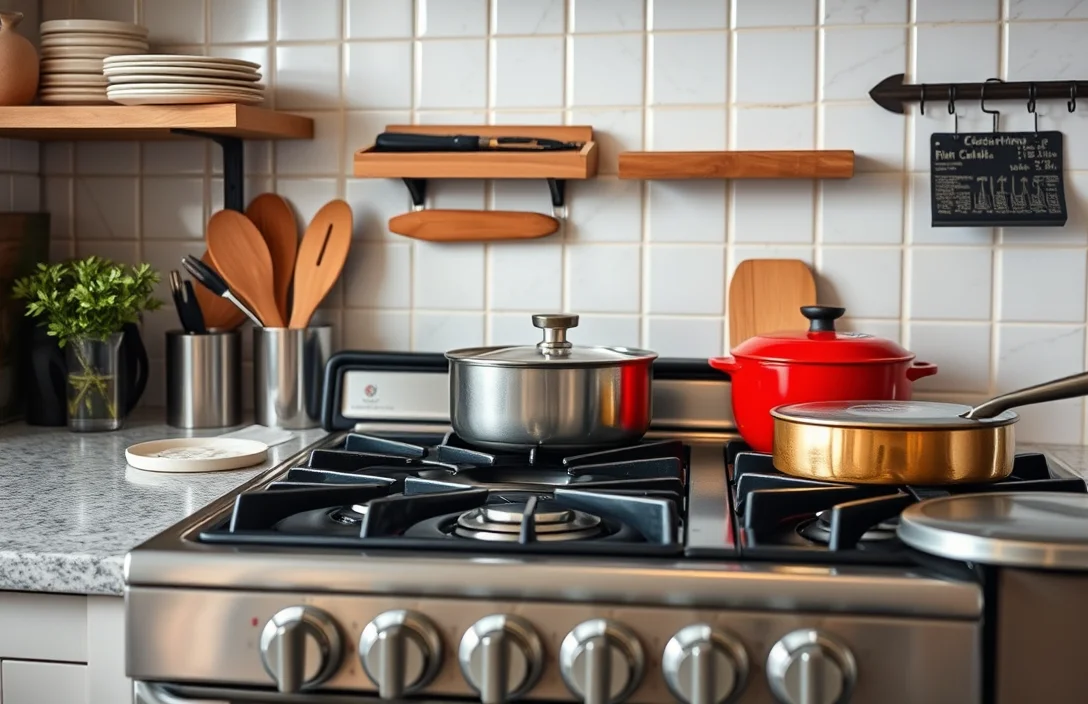
Cooking on a stove can reduce meal prep time by up to 50%, making it an essential skill for anyone seeking efficiency in the kitchen. Mastering this tool not only enhances your culinary skills but also empowers you to create a variety of delicious dishes with ease.
Learning to control heat levels, select appropriate cookware, and follow safety precautions is crucial. These fundamental skills ensure that your cooking process is both effective and enjoyable, leading to better results and a more satisfying experience in the kitchen.
Understanding Different Types of Stoves
Gas stoves use combustible gas as fuel, providing instant heat and precise temperature control. They feature burners that ignite flames, allowing for immediate adjustments. Users appreciate the visual cue of flames, which helps gauge heat levels. Regular maintenance, such as checking for leaks, ensures safe operation.
Electric stoves utilize electrical coils or glass-ceramic surfaces to generate heat. These models heat up slowly but maintain temperature well, making them suitable for simmering. Although they require more time to cool down, they are often easier to clean. Familiarizing yourself with heat settings improves cooking efficiency.
Induction stoves operate using electromagnetic energy, directly heating pots and pans. These surfaces remain cool to the touch, enhancing safety and energy efficiency. Only compatible cookware works on induction, so ensure your pots contain ferrous material. Understanding the unique functionality of this method enables precise cooking.
Implementing Safety Precautions in Cooking
Wearing appropriate clothing prevents accidents. Long sleeves and loose-fitting garments can catch fire easily. Opt for tight-fitting clothes or heat-resistant aprons. Avoid wearing dangling jewelry that could become entangled in pots or flames. Safe attire reduces the risk of burns and injuries while cooking.
Positioning your stove correctly minimizes hazards. Ensure the stove stands away from flammable materials like curtains or paper towels. Maintaining at least three feet of clearance around the appliance enhances safety. This arrangement allows for easy access and reduces the chance of accidental fires.
Keeping a fire extinguisher nearby is crucial. Equip your kitchen with a Class K extinguisher designed for grease fires. Regularly check its pressure and expiration date. Knowing how to use it can save your home from severe damage during an emergency.
Establishing a clean cooking area prevents mishaps. Regularly wipe down surfaces and remove clutter from the stove. Spills and debris can ignite quickly, so stay vigilant about cleanliness. A tidy workspace contributes to a safer cooking environment.
Monitoring children and pets is essential for safety. Never leave them unattended in the kitchen while using the stove. Designate a safe area away from the cooking zone for them. This precaution protects both them and your culinary endeavors.
Igniting and Operating a Gas Stove Safely
Follow these steps to ignite and operate a gas stove safely. Proper techniques ensure effective cooking while minimizing risks. Always prioritize safety to prevent accidents and injuries in the kitchen.
- Locate the ignition switch or knob. Most gas stoves feature a knob on the front or side, which controls the gas flow and ignition process. Turn the knob to the ‘light’ or ‘ignite’ position.
- Turn on the gas gently. After locating the knob, turn it counterclockwise to release gas. You should hear a faint hissing sound, indicating gas is flowing. Avoid excessive force to prevent leaks.
- Use a long lighter or match. To ignite the flame, use a long-reach lighter or a matchstick. Hold the flame near the burner while ensuring your hand is at a safe distance from the gas outlet.
- Observe the flame color. A proper flame should be blue with a small yellow tip. If the flame is yellow or orange, it indicates incomplete combustion, which may require adjustment or servicing.
- Adjust the flame height. Turn the knob further counterclockwise to increase the flame or clockwise to reduce it. Maintain an appropriate height for your cooking needs, ensuring it doesn’t extend beyond the cookware.
Adjusting Electric Stove Settings Properly
Electric stove settings are essential for achieving the desired cooking results. Mastering these temperature controls allows for precise cooking, preventing burning or undercooking food. Familiarize yourself with the range of heat settings available on your stove, typically ranging from low to high. Adjusting these settings accurately will enhance your cooking experience significantly.
- Consult the stove’s user manual for the recommended temperature settings for various cooking methods. Each stove model may have unique specifications that dictate optimal usage.
- Begin with low heat for delicate tasks like melting butter or simmering sauces. This prevents scorching and ensures even melting.
- Move to medium heat for general cooking tasks such as sautéing vegetables or frying eggs. This temperature allows for proper cooking without excessive browning.
- Set the stove to high heat for boiling water or searing meats. This intensity creates rapid temperature increases, ideal for quick cooking.
- Monitor the cooking process closely and adjust settings as needed. If a dish begins to cook too rapidly, reduce the heat to maintain control.
Regular practice will improve your ability to adjust settings effectively, making cooking easier and more enjoyable. Fine-tuning these controls will lead to better culinary outcomes.
Navigating Stove Controls Effectively
Familiarize yourself with various stove controls. Each knob, button, or digital display serves a specific function, crucial for effective operation. Typically, knobs adjust heat levels, while buttons may control timers or special features like simmer or boil. Understanding these elements ensures you can manage cooking temperatures and times accurately, leading to better results in your culinary endeavors.
Observe the markings around knobs. Most stoves will have indicators for low, medium, and high settings. Knowing these can help you quickly select the appropriate heat level for different cooking methods. For instance, a low setting is ideal for simmering sauces, while high heat is perfect for boiling water or searing meats.
Recognize digital displays on modern stoves. Such displays often provide precise temperature settings, cooking modes, and timers. Familiarity with these features allows for more control over your cooking process, ensuring that dishes are prepared to perfection without the risk of burning or undercooking.
Experiment with different settings. Gaining hands-on experience with your stove’s controls will build confidence. Try varying heat levels when cooking similar dishes to see how it affects the final product. This experimentation will deepen your understanding of how to use a stove effectively in various culinary situations.
Mastering Cooking Techniques on Stoves
Boiling involves immersing food in rapidly bubbling water or broth. Ideal for pasta, vegetables, or grains, this technique ensures even cooking. Begin by bringing water to a rolling boil before adding ingredients. Maintain the heat to keep the water bubbling consistently, which helps food cook thoroughly and quickly.
Sautéing requires a small amount of oil in a hot pan. Use this method for vegetables, meats, or seafood, ensuring a quick cook while preserving flavor and texture. Heat the oil until shimmering, then add your ingredients and stir frequently. This technique caramelizes sugars, enhancing taste.
Simmering is cooking food gently in liquid just below boiling point. Perfect for soups and sauces, it allows flavors to meld without aggressive bubbling. Begin by bringing the liquid to a boil, then reduce heat until small bubbles occasionally rise. This method is essential for tenderizing tougher cuts of meat.
Stir-frying utilizes high heat and constant movement in a wok or large skillet. This technique cooks ingredients quickly and evenly, preserving color and nutrients. Preheat the pan, add oil, and toss in cut vegetables or protein, stirring rapidly. Aim for crisp-tender results for optimal flavor.
Steaming preserves nutrients and flavors without adding fat. Use a steamer basket over boiling water or an electric steamer. Arrange food evenly in the basket, ensuring steam circulates properly. Cover and let cook until tender, which retains vibrant colors and essential vitamins.
Cleaning and Maintaining Your Stove
Regular maintenance ensures longevity and safe operation. Keeping your stove clean prevents food buildup that can lead to malfunctions and health hazards. Establish a routine cleaning schedule to maintain optimal performance and appearance. Use appropriate cleaning solutions for your stove’s material, whether it’s gas, electric, or induction.
Wipe surfaces immediately after use. Residue left on the stove can harden and become difficult to remove later. Use a damp cloth and a gentle cleaner to keep the surface shiny. Pay attention to knobs and grates, as they often accumulate grime.
- Remove burner grates and wash them in warm, soapy water. Rinse thoroughly and dry completely before reassembling.
- Check gas connections regularly for leaks, using a soap and water solution to identify any bubbles.
- Inspect and clean the stove’s ventilation system to ensure proper airflow, which is crucial for efficient operation.
- Schedule periodic deep cleaning to tackle tough stains and buildup that regular cleaning may miss.
Invest time in maintaining your stove for better cooking experiences. Keeping a clean appliance not only enhances its appearance but also contributes to its performance, making cooking more enjoyable and efficient.
Quick Summary
- Ensure the stove is clean and free of debris before use.
- Familiarize yourself with the control knobs and settings for heat adjustment.
- Use appropriate cookware that is compatible with your stove type (gas, electric, induction).
- Always monitor your food while cooking to prevent burning or overcooking.
- Use oven mitts or pot holders when handling hot pots and pans.
- Turn off the stove and allow it to cool down after cooking.
- Keep flammable materials away from the stove to ensure safety.
Frequently Asked Questions
How do I turn on a gas stove?
To turn on a gas stove, first make sure the burner knobs are in the “off” position. Then, push the knob down and turn it counterclockwise to the “light” position. Use a long lighter or match to ignite the gas at the burner while holding the knob down for a few seconds.
What should I do if the flame goes out on my gas stove?
If the flame goes out, immediately turn the burner knob to the “off” position to stop the gas flow. Wait a few minutes for the gas to dissipate before attempting to relight the burner to ensure safety.
How do I use an electric stove?
To use an electric stove, simply turn the dial for the desired burner to the heat setting you want. Wait for the burner to heat up, which typically takes a few minutes, and then place your cookware on the burner to start cooking.
What types of cookware can I use on a stove?
You can use various types of cookware on a stove, including stainless steel, cast iron, and non-stick pans. However, ensure that the cookware is compatible with your stove type, especially for induction stoves that require magnetic materials.
How do I clean my stove after cooking?
To clean your stove, allow it to cool completely before wiping it down. Use a damp cloth or sponge with mild dish soap for everyday spills, and for tougher stains, a gentle abrasive cleaner or baking soda paste can be effective. Always follow the manufacturer’s recommendations for cleaning products.
