
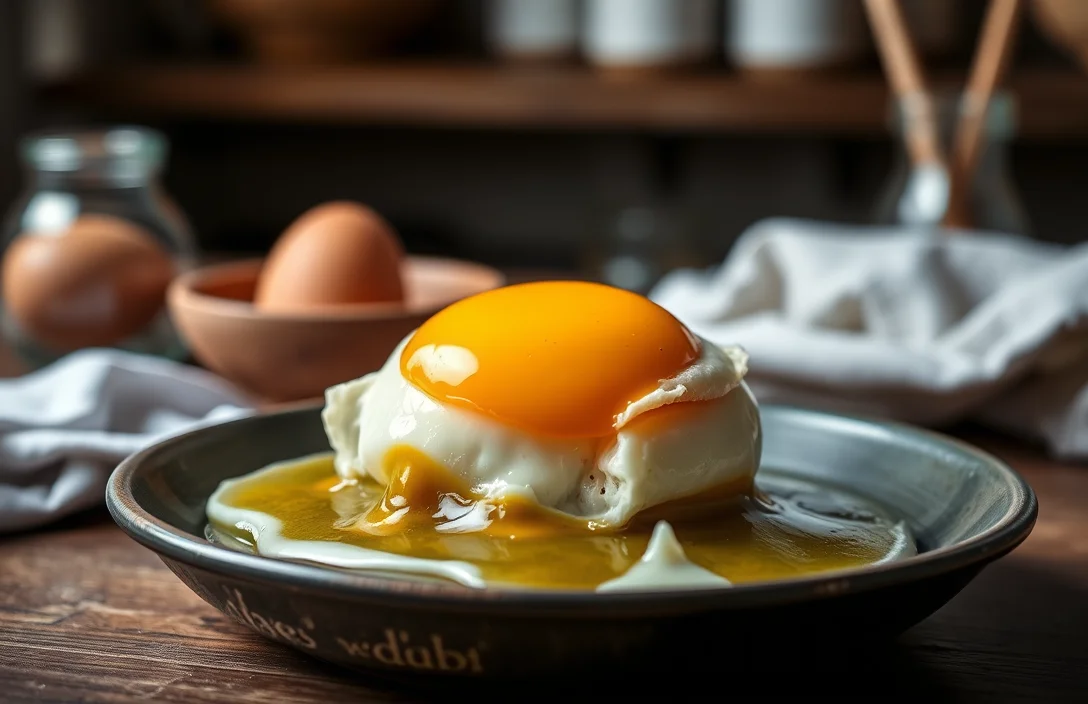
Cooking eggs properly can significantly enhance their flavor and texture, with over 90% of people reporting a preference for perfectly cooked eggs. Mastering this skill not only elevates breakfast but also opens the door to various culinary creations that hinge on this versatile ingredient.
Master basic techniques like boiling, scrambling, and frying to achieve desired results. Focus on temperature control and cooking times for different types of eggs. Experiment with seasonings and add-ins for unique flavors and textures.
Perfectly Boiling Eggs Techniques
Start by placing eggs in a single layer in a saucepan. Cover them with cold water, ensuring the water level is at least an inch above the eggs. This method guarantees even cooking and prevents cracking during the boiling process.
Bring the water to a rolling boil over medium-high heat. Once boiling, reduce the heat to maintain a gentle simmer. This step is crucial for controlling the cooking process and achieving the desired doneness without overcooking.
Set a timer according to your preference for doneness. For soft-boiled eggs, simmer for 6-7 minutes; for medium-boiled, aim for 8-9 minutes; and for hard-boiled, allow 10-12 minutes. These times ensure precise results, providing a consistent texture and taste.
Remove the eggs from the boiling water promptly once the timer goes off. Transfer them to an ice bath or run them under cold water to stop the cooking process. This technique prevents overcooking and makes peeling easier.
Crack the shell gently on a hard surface and peel under running water. This method helps remove the shell more easily and keeps the egg intact. Proper peeling is essential for presentation, especially if serving eggs in dishes.
Scrambling Eggs to Fluffy Perfection
Whisk eggs vigorously before cooking. This technique incorporates air, creating that desired light and fluffy texture. Use a fork or whisk and beat until the yolks and whites are fully combined. Aim for a uniform color and a frothy consistency, which indicates sufficient air incorporation.
Heat a non-stick skillet over medium-low heat. Preheating ensures even cooking and prevents sticking. A lower temperature allows the eggs to cook gently, maintaining their creaminess while achieving fluffiness. Avoid rushing this step, as high heat can lead to rubbery eggs.
Use butter or oil for richness. Adding a small amount of unsalted butter or a splash of cooking oil enhances flavor and contributes to a silky texture. Allow the fat to melt completely before adding your whisked eggs to the pan.
- Stir continuously with a spatula.
- Scrape the edges and bottom often.
- Remove from heat when slightly undercooked.
Serve immediately for best results. Eggs continue to cook from residual heat, so removing them from the pan just before they fully set ensures a perfectly creamy outcome. Enjoy your fluffy scrambled eggs as a delicious breakfast or a versatile addition to any meal.
Frying Eggs Sunny Side Up Mastery
Start with a non-stick skillet. Heat it over medium-low heat for optimal results. Ensuring the pan is not too hot prevents the egg whites from burning while keeping the yolk intact.
- Crack the egg gently. Position the egg near the pan’s edge and let it slide in slowly, minimizing the risk of breaking the yolk.
- Cook without disturbing. Allow the egg to sit undisturbed for about 2-3 minutes. This method preserves the yolk’s shape while the whites cook through.
- Add a lid for steam. Cover the skillet with a lid towards the end of cooking. Steam helps set the whites while keeping the yolk runny.
- Check for doneness. Look for firm whites and a slightly wobbly yolk. Adjust cooking time based on preference.
- Slide the egg onto a plate. Use a spatula to carefully lift the egg from the pan, ensuring the yolk remains whole.
Practice these steps consistently. Mastering sunny side up eggs enhances your overall egg-cooking skills, making breakfast a delightful experience.
Poaching Eggs Without the Mess
Mastering the poaching technique requires precision. A simple method involves using vinegar to help the egg whites coagulate quickly, reducing mess and ensuring a beautiful poached egg. Follow these steps for optimal results.
- Fill a saucepan with water, ensuring there’s enough depth for the eggs to float. Aim for about three inches of water.
- Heat the water until it simmers gently. Boiling water can create turbulence, causing the eggs to break apart.
- Add a tablespoon of white vinegar to the water. This helps the egg whites firm up more quickly, minimizing spreading.
- Crack an egg into a small bowl or cup. This allows for easy transfer into the water and prevents yolk breakage.
- Gently slide the egg into the simmering water. Aim for the center of the pot to avoid contact with the sides.
- Let the egg cook for 3-4 minutes. The whites should be set, while the yolk remains runny.
- Use a slotted spoon to remove the egg. Allow any excess water to drain before serving.
Achieving perfectly poached eggs enhances any meal. Simple adjustments in technique can lead to impressive results, satisfying both visually and tastefully.
Baking Eggs in the Oven
Baking eggs offers a simple method to create delicious and perfectly cooked dishes. Begin by preheating your oven to 350°F (175°C), allowing for consistent heat distribution. This temperature is ideal for ensuring even cooking without over-baking the eggs.
Greasing your baking dish is essential for easy removal. Use butter or cooking spray to coat the dish, which prevents sticking. Choose a shallow dish for best results, as this helps the eggs cook evenly and thoroughly.
Crack eggs directly into the prepared dish, keeping the yolks intact. For added flavor, sprinkle salt, pepper, or herbs over the eggs. This enhances the taste and allows for customization based on your preferences.
Baking time is crucial for achieving the desired doneness. Typically, eggs will take about 15-20 minutes to bake. Monitor them closely to avoid overcooking, as this can lead to rubbery textures. Remove the dish from the oven once the whites are set but the yolks remain slightly soft.
Serving baked eggs is versatile and can be enjoyed in various ways. Serve them alongside toast, sautéed vegetables, or atop a salad. This cooking method not only simplifies the process but also allows for creativity in presentation and flavor combinations.
Crafting the Perfect Omelette
Start with fresh, high-quality eggs. Crack them into a bowl and whisk vigorously until the yolks and whites are thoroughly combined. The goal is to incorporate air into the mixture, which contributes to a light and fluffy texture. Aim for a uniform color without any streaks from the yolks or whites.
Heat a non-stick skillet over medium-low heat. Ensure that the skillet is preheated but not too hot, as high temperatures can cause the eggs to cook too quickly and become rubbery. Adding a small amount of butter or oil to the pan will also help prevent sticking and add flavor.
Pour the egg mixture into the skillet, allowing it to spread evenly across the surface. Use a spatula to gently stir the eggs as they begin to set, pushing the cooked edges toward the center while tilting the pan to let uncooked egg flow to the edges. This technique creates layers and enhances fluffiness.
Monitor the cooking process carefully. As the omelette starts to firm up but still has a slightly runny surface, it’s time to add desired fillings such as cheese, vegetables, or meats. Fold the omelette in half and let it cook for a few more seconds until the fillings are warmed through, ensuring a perfectly cooked center.
Serve immediately for the best experience. A well-crafted omelette should be tender, fluffy, and bursting with flavor. Enjoy it plain or with a sprinkle of fresh herbs on top for added zest. Mastering this technique is essential in learning how to cook eggs properly.
Properly Seasoning Cooked Eggs
Seasoning enhances flavor profiles, making cooked eggs truly enjoyable. Start by considering the basics: salt and pepper are essential for bringing out the natural taste. Beyond that, various herbs and spices can create unique flavor combinations, elevating your egg dishes to new levels. Experiment with different ingredients to find what pleases your palate.
- Salt enhances the natural flavor. Sprinkle a pinch of sea salt or kosher salt on eggs just before serving. This method ensures the salt adheres well and maximizes taste.
- Pepper adds depth and warmth. Freshly cracked black pepper is ideal for breakfast dishes, while white pepper offers a milder alternative for delicate recipes.
- Herbs brighten the dish. Fresh herbs like chives, parsley, or dill can be finely chopped and sprinkled on top for an aromatic lift. Dried herbs work too, but add them during cooking for best results.
- Cheeses introduce creaminess. Grated Parmesan, crumbled feta, or shredded cheddar can add complexity and richness. Mix cheese into scrambled eggs or sprinkle on top of omelets before folding.
- Spices create bold flavors. Experiment with smoked paprika, cumin, or chili powder for an exciting twist. Add these spices while cooking to deepen their flavors.
Quick Summary
- Choose fresh eggs for the best flavor and texture.
- Use medium heat to avoid overcooking and ensure even cooking.
- For scrambled eggs, whisk with a splash of milk or cream for creaminess.
- Cook eggs until the whites are set and yolks are cooked to your preference.
- Season eggs with salt and pepper just before serving for optimal flavor.
- Experiment with various cooking methods: boiling, poaching, frying, and baking.
- Store eggs in the refrigerator to maintain freshness and quality.
Frequently Asked Questions
How do I boil eggs perfectly?
To boil eggs perfectly, place them in a pot and cover with cold water. Bring the water to a boil, then cover the pot and remove it from heat; let the eggs sit for 9-12 minutes depending on your desired doneness.
What is the best way to scramble eggs?
For fluffy scrambled eggs, whisk them well with a pinch of salt before cooking. Use a non-stick skillet over medium-low heat, add butter, and gently stir the eggs as they cook, removing them from the heat when they are still slightly runny.
How can I fry an egg without it sticking?
To fry an egg without sticking, use a non-stick skillet and ensure it is well-heated before adding a small amount of oil or butter. Cook the egg on medium heat, and avoid moving it around until the white is set and the edges begin to lift easily.
What is the difference between soft-boiled and hard-boiled eggs?
Soft-boiled eggs have a runny yolk and are cooked for about 4-6 minutes, while hard-boiled eggs have a fully set yolk and are cooked for 9-12 minutes. The cooking time determines the consistency, so adjust according to your preference.
How do I know when my eggs are cooked to my liking?
The best way to check if eggs are cooked to your liking is to use a timer and a gentle touch. For boiled eggs, you can crack one open to see the yolk’s consistency, and for scrambled or fried eggs, the texture should be firm but not rubbery.
