
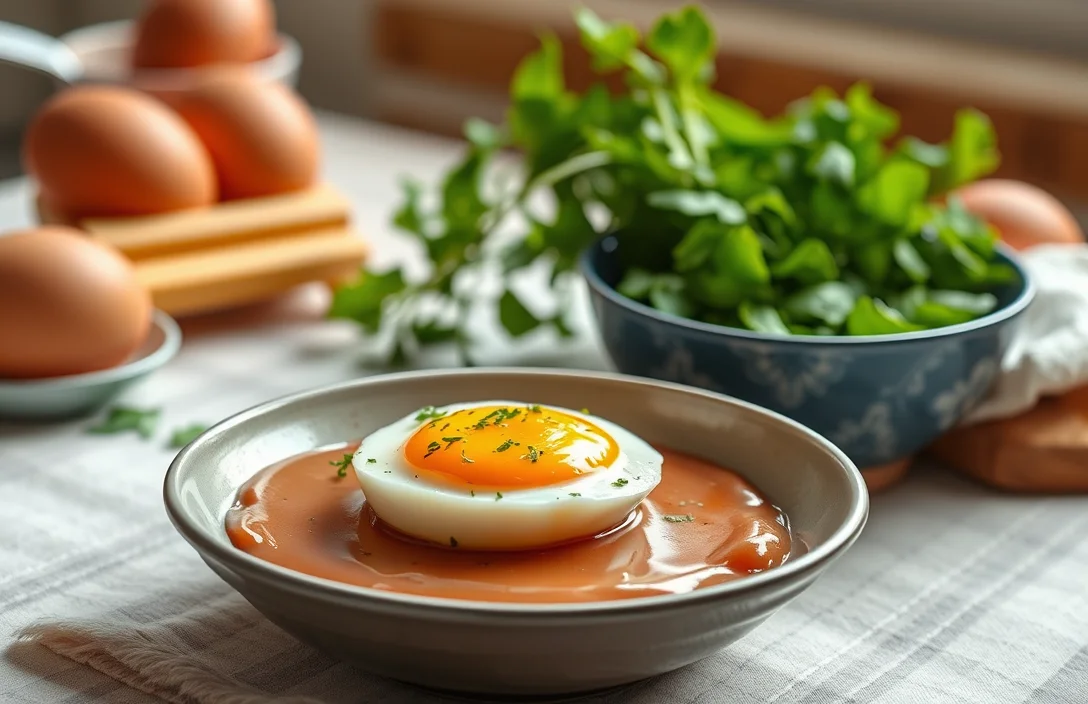
Seventy-five percent of people fail to cook eggs perfectly due to common mistakes. Whether it’s overcooking or underseasoning, achieving that ideal texture and flavor remains elusive for many. Mastering egg preparation can elevate your breakfast game and impress anyone at your table.
Cooking perfect eggs involves choosing the right temperature, timing your cooking, and selecting quality eggs. Techniques vary based on the desired style, but the fundamentals remain crucial for consistency and flavor.
Boiling Eggs to Ideal Doneness
Start by placing eggs in a single layer in a saucepan. Fill the pan with cold water until the eggs are submerged by about an inch. Using cold water helps prevent cracking and ensures an even cooking temperature. Turn the heat to high and bring the water to a rolling boil.
Once boiling, immediately cover the pan with a lid and turn off the heat. For soft-boiled eggs, let them sit for 4-6 minutes, depending on your desired level of doneness. For hard-boiled eggs, allow them to sit for 9-12 minutes. Remember, cooking times will vary slightly based on egg size and altitude.
After the designated time, carefully transfer the eggs to an ice bath. Ice-cold water stops the cooking process and makes peeling easier. Let them sit in the ice bath for at least five minutes before peeling. This method results in perfectly boiled eggs every time, whether soft or hard.
Mastering Scrambled Egg Techniques
For creamy, fluffy scrambled eggs, start with high-quality eggs. Fresh eggs produce the best flavor and texture. Crack them into a bowl, discarding any shells, and whisk thoroughly. Aim for a uniform mixture, incorporating both the yolks and whites fully. Whisking aerates the eggs, making them light and fluffy during cooking.
Incorporate dairy for added creaminess. Whole milk or heavy cream enhances richness and smoothness. Add about one tablespoon of milk or cream per egg. This simple step transforms the texture and keeps the eggs from drying out during cooking.
- Heat a non-stick skillet over medium-low heat. Low temperatures prevent overcooking and allow for even, gentle cooking.
- Use butter or oil to coat the pan. A tablespoon of unsalted butter adds flavor and helps prevent sticking.
- Pour in the egg mixture and let it sit for a moment. Allowing the eggs to set slightly before stirring creates soft curds.
- Stir gently with a spatula, pushing the eggs from the edges toward the center. This technique ensures even cooking and fluffy texture.
Remove the eggs from heat when they are slightly undercooked. Residual heat will finish cooking them, ensuring a soft, creamy result.
Frying Eggs with Perfect Yolks
Heat the skillet on medium-low. This temperature ensures that the eggs cook evenly without burning. Non-stick pans work best for easy flipping and cleanup. Allow the skillet to warm for a couple of minutes before adding any fat.
Add butter or oil generously. A tablespoon of butter or oil in the skillet prevents sticking and enhances flavor. Swirl the fat around to cover the surface evenly. Wait until the butter foams or the oil shimmers before adding the eggs.
Crack the eggs gently into the skillet. Aim to avoid breaking the yolks for sunny-side-up eggs. If cooking over-easy, ensure the whites are set before flipping. A spatula will help maneuver the eggs if needed.
Cover the skillet with a lid. This traps steam and helps cook the tops of the eggs without flipping. For sunny-side-up, cook until the whites are opaque. For over-easy, let them cook until edges set, then gently flip.
Remove the eggs once cooked. Slide them onto a plate with a spatula, ensuring the yolks remain intact. Season with salt and pepper to taste. Enjoy your perfectly fried eggs, whether sunny-side up or over-easy!
Poaching Eggs Like a Pro
Perfectly poached eggs require precision and attention to detail. Mastering the technique involves controlling water temperature, timing, and using fresh eggs. Follow these steps carefully for runny yolks and tender whites.
- Fill a pot with water. Use about three inches of water in a wide, shallow pan. Bring it to a gentle simmer over medium heat.
- Add vinegar to the water. Incorporate one tablespoon of white vinegar for every quart of water. This helps the egg white coagulate quickly, preventing it from dispersing.
- Crack the eggs into a bowl. Use a small bowl to crack each egg individually. This minimizes the risk of shell fragments and ensures better control.
- Gently slide the eggs into the water. Pour each egg in slowly, close to the water’s surface. This technique helps maintain the shape of the egg as it cooks.
- Cook for three to four minutes. Monitor the eggs closely; aim for a firm white with a runny yolk. Adjust the time based on your desired yolk consistency.
- Remove with a slotted spoon. Carefully lift the eggs out of the water and let them drain on a paper towel. This step ensures excess water doesn’t dilute your dish.
Use these steps to consistently achieve perfectly poached eggs that enhance any breakfast plate. Enjoy the delicious results!
Oven-Baked Eggs for Breakfast
Match temperature, vessel, and time to achieve the baked egg texture you want: for custardy shirred eggs use 325°F in individual ramekins set in a water bath and bake 12–16 minutes; for firmer whites bake at 350°F on a rimmed sheet 8–10 minutes; for portable muffins use a greased muffin tin at 350°F for 15–18 minutes.
Jiggle ramekins briefly to gauge doneness: soft wobble means soft yolk, firm means set; remove from oven a minute before desired firmness because carryover heat will finish cooking; let baked eggs rest 1–2 minutes to settle texture and avoid rubbery whites, a simple control crucial for how to cook perfect eggs in baked styles.
Understanding Egg Temperature and Freshness
Freshness significantly impacts egg quality. To ensure optimal results, always check the date on the carton. Eggs should ideally be used within three to five weeks of their packaging date. Additionally, storing eggs in the coldest part of the refrigerator maintains their freshness longer, ensuring that they produce the best taste and texture when cooked.
- Fill a bowl with water. Use enough water to fully submerge the eggs.
- Place the eggs gently in the water. Ensure they do not crack during this process.
- Observe the eggs’ behavior in the water. Fresh eggs will sink and lay flat on the bottom, while older eggs will stand upright or float.
- Discard any eggs that float. Floating indicates that the egg has gone bad, as gases have formed inside.
- Take note of the appearance upon cracking. Fresh eggs have a firm white and a bright yolk, while older eggs will have a runnier white and a dull yolk.
Testing for freshness ensures that every dish prepared has the best flavor and texture. Always prioritize the quality of your ingredients to achieve the perfect egg dish.
Seasoning and Flavoring Your Eggs
Enhancing flavor transforms eggs into delightful meals. Start with salt and pepper, fundamental seasonings that elevate taste instantly. Consider using sea salt for a burst of flavor and freshly cracked black pepper for a subtle heat. These basics create a solid foundation for any egg dish.
Experimenting with herbs adds freshness. Fresh chives, parsley, or dill introduce aromatic depth. Try mixing in a teaspoon of herbs directly into scrambled eggs before cooking for an infused flavor. Alternatively, sprinkle them on top of finished dishes for a vibrant garnish.
Incorporating spices can elevate the profile. Paprika, cumin, or smoked paprika offers warmth and complexity. A pinch of cayenne pepper can add heat, while turmeric provides both color and health benefits. Mix spices into the egg mixture before cooking for an even distribution.
Cheeses amplify richness and flavor. Grated Parmesan, crumbled feta, or sharp cheddar can significantly enhance your egg dishes. Stir in cheese during cooking for a creamy texture or sprinkle on top just before serving for a delightful finish.
Finishing touches matter, too. A drizzle of hot sauce or a squeeze of lemon can brighten flavors dramatically. Experiment with flavored oils, such as garlic-infused or chili oil, to add a unique twist. These small adjustments can turn simple eggs into extraordinary meals.
Quick Summary
- Choose fresh eggs for the best flavor and texture.
- Use low to medium heat to prevent overcooking.
- Whisk eggs thoroughly for scrambled eggs to achieve a fluffy texture.
- Add butter or oil to the pan to prevent sticking.
- For poached eggs, simmer water with a splash of vinegar for optimal results.
- Season eggs after cooking to enhance their natural taste.
- Experiment with cooking times to find your preferred doneness.
Frequently Asked Questions
How do I boil an egg to get the perfect hard-boiled consistency?
To achieve a perfect hard-boiled egg, place eggs in a pot and cover them with cold water. Bring the water to a boil, then cover the pot and remove it from heat, letting the eggs sit for about 9-12 minutes depending on the size of the eggs.
What is the best method for frying an egg?
For a perfectly fried egg, heat a non-stick skillet over medium heat and add a small amount of butter or oil. Crack the egg into the pan and cook until the whites are set and the yolk is still slightly runny, about 2-3 minutes.
How can I make fluffy scrambled eggs?
To make fluffy scrambled eggs, whisk the eggs vigorously with a splash of milk or cream. Cook them over low heat, stirring gently and continuously, until they are just set but still soft and creamy.
What temperature should I use for poaching eggs?
For perfect poached eggs, bring a pot of water to a gentle simmer, around 180°F (82°C). Crack the egg into a small bowl, then gently slide it into the water, cooking for about 3-4 minutes until the whites are set but the yolk remains runny.
How do I store leftover cooked eggs?
Leftover cooked eggs should be stored in an airtight container in the refrigerator. They can be kept for up to one week, and it’s best to consume them cold or gently reheated to maintain their texture.
