
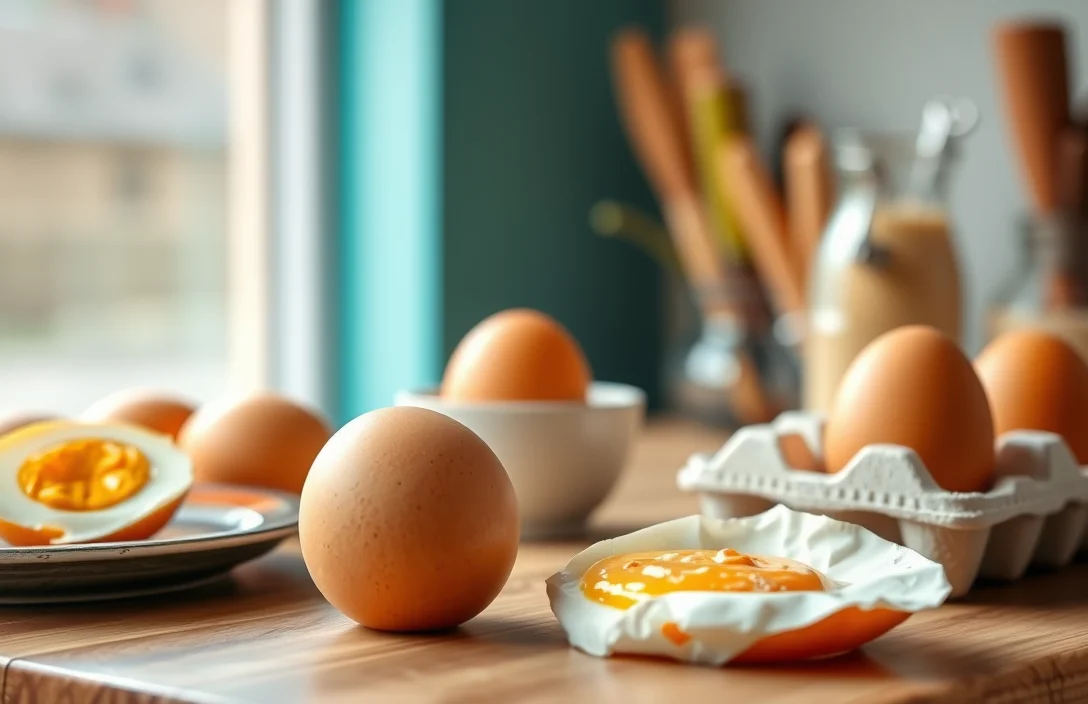
Cooking eggs at the right temperature can significantly affect their texture and flavor. Studies show that cooking eggs below 144°F (62°C) can lead to a runny consistency, while temperatures above 158°F (70°C) can create rubbery results. Precision matters for perfect eggs.
Many chefs recommend cooking eggs at soft-boil (around 145°F or 63°C) for ideal creaminess, while scrambling should occur at around 160°F (71°C) for fluffiness. For fried eggs, aim for 250°F (121°C) in the pan for even cooking.
Soft Boiled Egg Cooking Temperature
Soft boiled eggs require precise cooking to achieve the ideal texture. Aim for a water temperature of around 190°F (88°C). This temperature allows the egg whites to set while keeping the yolks creamy and runny, creating that perfect contrast between firmness and richness.
Maintaining the right temperature is crucial during the cooking process. Start by bringing water to a gentle simmer, then carefully lower the eggs in using a slotted spoon. Cooking time should be approximately 6 to 7 minutes for large eggs. Adjust timing slightly based on egg size and desired softness.
Monitoring the cooking process ensures consistent results. Use a timer to prevent overcooking, which can lead to a firmer yolk. Once the time is up, promptly transfer the eggs to an ice bath to halt the cooking process and make peeling easier.
Serving soft boiled eggs can enhance any meal. Consider pairing them with toast, salads, or ramen for added flavor and texture. Experimenting with different accompaniments can elevate your dish while showcasing the creamy yolk.
Hard Boiled Eggs Temperature Guidelines
Cooking hard boiled eggs requires specific temperature control for optimal results. For perfectly set yolks and whites, aim for a water temperature of around 190°F (88°C). This temperature allows the eggs to cook through evenly without becoming rubbery or overcooked.
Maintaining this temperature for about 9 to 12 minutes will yield various firmness levels. For softer yolks, stick closer to 9 minutes; for fully hard yolks, extend the time to 12 minutes. Adjust your cooking time according to how you prefer your yolks.
Monitoring the cooking process is crucial. Use a kitchen thermometer to check the water temperature and ensure it stays consistent throughout. If the water starts to boil vigorously, lower the heat to maintain a gentle simmer, preventing any cracking of the eggs.
Cooling the eggs afterward is essential for easy peeling. Immediately transfer the cooked eggs to an ice water bath for at least 5 minutes. This stops the cooking process and helps separate the membrane from the shell, making them easier to peel.
Scrambled Eggs Cooking Temperature
Cook scrambled eggs between 160°F to 180°F for optimal fluffiness. This temperature range ensures that the proteins in the eggs coagulate properly, resulting in creamy and tender curds. Avoid higher temperatures, as they can lead to dry and rubbery eggs.
Stirring continuously while cooking helps maintain an even temperature throughout the mixture. Use a spatula to gently fold the eggs as they begin to set. This technique promotes a light texture and prevents sticking to the pan.
Adjusting the heat gradually is key. Start with medium-low heat and increase as needed. If the eggs cook too quickly, reduce the heat to avoid overcooking and maintain the desired consistency.
Incorporating a splash of cream or milk before cooking enhances the creaminess. Whisk these ingredients with the eggs to create a smoother mixture. Experiment with seasonings like salt and pepper for added flavor without compromising texture.
Using non-stick pans can significantly improve cooking results. They allow for easy release and require less fat, contributing to healthier scrambled eggs. Always preheat the pan to ensure even cooking right from the start.
Ideal Temperature for Poached Eggs
Perfectly poached eggs require precise temperature control. Aim for a water temperature between 180°F to 190°F (82°C to 88°C). This range ensures the whites set gently while the yolk remains runny, creating that ideal texture. Use a thermometer to monitor the water temperature, as even slight deviations can affect the outcome.
Adjusting the heat is crucial. Begin by bringing the water to a boil, then reduce the heat to maintain the desired temperature. Gentle simmering, rather than vigorous boiling, prevents the eggs from breaking apart. A well-timed approach allows for consistent results every time.
Utilizing fresh eggs contributes to better poaching. Fresh eggs have firmer whites that hold their shape better, making them easier to poach. Consider adding a splash of vinegar to the water; this helps to coagulate the whites quickly, enhancing the final presentation.
Monitoring the cooking time is essential. Typically, poach eggs for about 3 to 4 minutes. Adjust the time based on your preference for yolk consistency. For a firmer yolk, extend the cooking time slightly, but avoid overcooking to preserve the delicate texture.
Fried Eggs Cooking Instructions
Cook fried eggs at medium-low heat for optimal results. This temperature allows the whites to set properly while keeping the yolks runny. Using excessively high heat can lead to burnt edges and tough textures. For best flavor and consistency, aim for a balance that allows even cooking.
- Preheat your skillet to medium-low. Allow the pan to warm up for a couple of minutes before adding any fat.
- Add butter or oil to the pan. Use enough to coat the surface lightly but avoid pooling, which can lead to greasy eggs.
- Crack the eggs directly into the skillet. Ensure they are spaced apart to allow even cooking and to prevent sticking.
- Cover the pan with a lid. This helps the eggs cook evenly, ensuring the whites firm up without overcooking the yolks.
- Monitor the cooking process closely. Aim for about 2 to 3 minutes for runny yolks, adjusting the time to your preference for firmer yolks.
Serve immediately for the best texture and flavor. Fried eggs should be enjoyed fresh off the pan to appreciate their creamy yolks and tender whites.
Omelette Cooking Temperature Tips
Optimal cooking temperature for omelettes is crucial for achieving the desired texture. Heat your skillet to medium-low, around 250°F to 325°F. This temperature allows the eggs to cook evenly without burning, resulting in a fluffy and soft interior. Using a non-stick pan can further enhance your cooking experience, making it easier to slide the omelette out once it’s ready.
Monitoring the cooking process is essential. Once you pour the eggs into the skillet, gently swirl them to ensure even coverage. As the edges begin to set, use a spatula to lift them slightly and tilt the pan, allowing the uncooked egg to flow underneath. This technique promotes uniform cooking and prevents overcooking.
Finishing touches matter as well. Once the eggs are mostly set but still slightly runny on top, add your desired fillings. Fold the omelette in half and allow it to sit for another minute, ensuring the heat continues to cook the inside gently. This method guarantees a moist and flavorful omelette without any rubbery texture.
Baking Eggs in the Oven Temperature
Optimal baking temperature for eggs is 350°F (175°C). At this setting, eggs bake evenly and achieve a tender texture. Whether preparing baked eggs in a dish or as part of a casserole, ensuring your oven reaches this temperature will yield the best results. Preheating the oven is essential to maintain consistent heat throughout the cooking process.
Adjust baking time based on desired doneness. Generally, expect to bake eggs for 20-30 minutes. Checking for doneness can be done by inserting a knife; if it comes out clean, the eggs are ready. For creamier results, a shorter baking time may be ideal, while longer periods yield firmer textures.
Using an oven-safe dish also impacts the cooking outcome. Glass or ceramic dishes distribute heat well, promoting even cooking. Always grease the dish lightly to prevent sticking and allow for easy serving. Experimenting with different ingredients, like cheese or vegetables, can enhance flavor while maintaining the perfect texture.
Monitoring the eggs during the last few minutes of cooking is crucial. Ovens can vary in temperature accuracy, so keeping an eye on them ensures optimal results. Once cooked, let the dish sit for a few minutes before serving to allow the eggs to firm up slightly.
Quick Summary
- The ideal cooking temperature for eggs varies depending on the method: low and slow for scrambled, medium for frying, and precise for poaching.
- For scrambled eggs, cook at a low temperature (around 90-95°C or 195-203°F) to achieve a creamy texture.
- Fried eggs should be cooked at medium heat (approximately 120-150°C or 250-300°F) to ensure even cooking without burning.
- Poached eggs are best cooked in water at about 80°C (176°F) to achieve a tender white and runny yolk.
- Hard-boiled eggs should be cooked in boiling water for about 9-12 minutes to ensure fully set yolks and whites.
- The use of a food thermometer can help ensure eggs reach the safe minimum internal temperature of 70°C (160°F).
- Always consider personal preference for doneness when cooking eggs; adjust times and temperatures accordingly.
Frequently Asked Questions
What temperature should I cook eggs for a soft-boiled result?
For soft-boiled eggs, you should aim for a water temperature of around 190°F (88°C). Cook the eggs for about 6 to 7 minutes for a perfectly runny yolk.
How do I achieve the perfect scrambled eggs temperature?
Scrambled eggs should be cooked at a low to medium heat, ideally around 160°F to 180°F (71°C to 82°C). This helps to ensure they remain creamy and prevent them from becoming rubbery.
What temperature is best for frying eggs?
When frying eggs, a temperature of about 300°F to 325°F (149°C to 163°C) is ideal. This allows the whites to set without burning while keeping the yolks runny, if desired.
How do I know when my eggs are done baking in a quiche?
For a quiche, the internal temperature should reach 160°F (71°C) to ensure that the eggs are fully cooked and safe to eat. A knife inserted in the center should come out clean when it’s done.
What is the ideal temperature for poaching eggs?
The best temperature for poaching eggs is around 180°F to 190°F (82°C to 88°C). This temperature allows the whites to set gently while keeping the yolk runny, resulting in a perfectly poached egg.
