
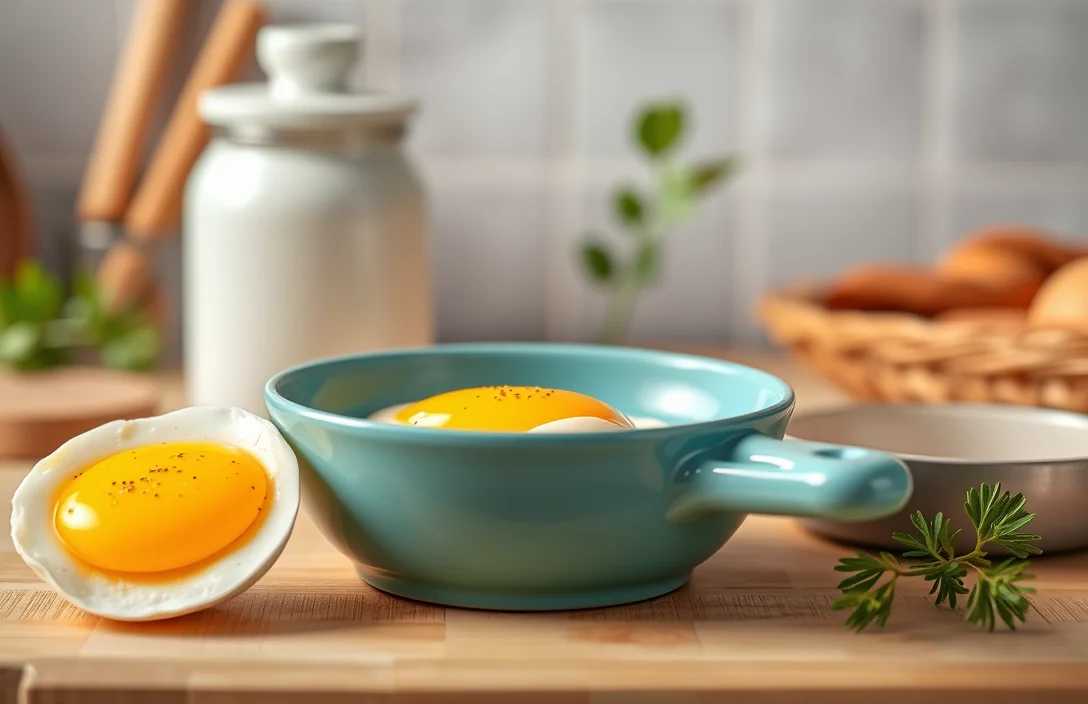
Seventy percent of people struggle to cook eggs perfectly, often resulting in rubbery textures or undercooked centers. Mastering egg preparation can elevate your breakfast game and impress anyone at your table with minimal effort and maximum flavor.
Cooking eggs perfectly involves temperature control, timing, and technique. Whether scrambling, poaching, or frying, knowing these essentials ensures a delicious result every time.
Boiling Eggs Perfectly Every Time
Start with room temperature eggs. Cold eggs from the refrigerator can crack when placed in boiling water. Taking a few minutes to let them warm up ensures a smoother cooking process and reduces the risk of breakage.
Next, use a pot that fits the number of eggs you want to boil. Avoid overcrowding the pot, which can lead to uneven cooking. Fill the pot with enough water to cover the eggs by at least an inch.
Bring the water to a rolling boil over medium-high heat. Once boiling, gently lower the eggs into the pot using a slotted spoon. This method helps prevent the eggs from bouncing off the bottom, which can cause cracks.
Set a timer immediately after adding the eggs. For soft-boiled eggs, aim for 6-7 minutes. For hard-boiled eggs, 9-12 minutes will yield a firm yolk. Adjust the time based on your preference for doneness.
After the timer goes off, promptly transfer the eggs into an ice water bath. Cooling them quickly stops the cooking process and makes peeling easier. Let them sit in the ice bath for at least 5 minutes before peeling.
Scrambling Eggs to Fluffy Perfection
Whisking eggs vigorously creates that light, airy texture desired in perfect scrambled eggs. Use a fork or a whisk to beat the eggs until the yolks and whites are fully combined, achieving a uniform mixture. Incorporating air during this step is crucial for fluffiness, so don’t hold back on the whisking!
Heating a non-stick pan over medium-low heat ensures gentle cooking. Avoid high temperatures, which can lead to rubbery eggs. Adding a small amount of butter or oil to the pan helps prevent sticking and enhances flavor, creating a creamy consistency as the eggs cook.
Pouring the egg mixture into the heated pan initiates the cooking process. Allow the eggs to sit undisturbed for a few moments before gently stirring. Use a spatula to push the eggs from the edges towards the center, letting uncooked liquid flow to the pan’s surface. This technique promotes even cooking and avoids overcooking any part.
Finishing touches include removing the eggs from the heat just before they appear fully cooked. Residual heat will continue cooking them, resulting in perfectly creamy scrambled eggs. Season with salt and pepper only after cooking to maintain moisture and flavor integrity.
Crafting the Perfect Omelet
Begin with high-quality eggs. Freshness impacts taste and texture significantly, so choose eggs that are within a few weeks of their sell-by date. Check for firmness when you crack them open; the yolks should be bright and stand tall. Gather your ingredients, including any desired fillings like cheese, vegetables, or meats, ensuring they are prepped and ready.
- Heat a non-stick skillet over medium heat. Preheating the pan is crucial for achieving a perfectly cooked omelet. Add a small amount of butter or oil, allowing it to melt and coat the surface evenly.
- Whisk eggs vigorously in a bowl. This step incorporates air, leading to a fluffier texture. Season with salt and pepper before pouring them into the heated pan.
- Pour the egg mixture into the skillet. Allow it to sit undisturbed for a few seconds until the edges begin to set. Use a spatula to gently push the cooked edges towards the center, tilting the pan to let uncooked egg flow to the edges.
- Sprinkle fillings evenly over the surface. Once the center is still slightly runny, add your desired ingredients. This ensures they warm through without overcooking the eggs.
- Fold the omelet in half. Carefully slide a spatula under one side and fold it over the filled half. Cook for an additional 30 seconds, allowing the inside to finish cooking while remaining creamy.
Serve immediately for best results. Garnish with fresh herbs or a sprinkle of cheese. Enjoy your delicious creation, showcasing the perfect omelet technique.
Poaching Eggs with Confidence
Perfectly poached eggs require precision and care. Follow these steps for an effortless experience that results in tender, runny yolks and firm whites without breaking or overcooking.
- Begin by filling a saucepan with water, approximately 3 inches deep. Bring it to a gentle simmer, not a rolling boil, which can disrupt the egg structure.
- Add a splash of vinegar to the water. This helps coagulate the egg whites quickly, reducing the chances of stray strands in the water.
- Crack each egg into a small bowl first. This allows for easy transfer to the water and prevents shell fragments from contaminating the egg.
- Swirl the simmering water gently with a spoon. Creating a whirlpool helps the egg whites wrap around the yolk, resulting in a compact shape.
- Carefully slide the egg from the bowl into the center of the whirlpool. Cook for about 3-4 minutes for a soft yolk, adjusting the time for your preferred doneness.
- Remove the poached egg using a slotted spoon and gently place it on a paper towel to drain excess water. This step ensures a better texture on the plate.
Practice these techniques regularly to master the art of poaching eggs perfectly, enhancing your overall cooking skills.
Frying Eggs to Order
Frying eggs requires precision for different preferences. Start with a non-stick skillet and preheat it on medium heat. Add a small amount of oil or butter to ensure the eggs don’t stick. Crack your eggs directly into the pan once it’s hot but not smoking.
Sunny-side up calls for minimal intervention. Allow the eggs to cook until the whites are set and the yolks remain glossy. Avoid flipping them. For over-easy, gently flip the eggs after the whites are firm, cooking for an additional 30 seconds to 1 minute.
Over-medium requires a slightly longer cooking time. Flip the eggs until the yolk is just barely set but still slightly runny. This method delivers a perfect balance of texture. For hard-fried eggs, let them cook longer on both sides until the yolk is firm.
Consider seasoning eggs appropriately. Salt and pepper enhance flavor, while herbs like chives or parsley can provide freshness. Serve immediately for the best taste and texture. Remember, timing is key in achieving that perfect cook!
Baking Eggs in Dishes
Incorporating eggs into baked dishes requires specific techniques for optimal results. Begin by preheating the oven to the desired temperature, usually around 350°F (175°C). Use a suitable dish, such as a casserole or ramekin, which can withstand oven heat and allows even cooking of the eggs.
Choose fresh eggs to ensure the best texture and flavor. Crack them directly into the dish, being careful not to break the yolks unless desired. For added richness, whisk the eggs with cream or milk before pouring them in. This step creates a custard-like consistency, perfect for quiches or frittatas.
Monitor cooking times closely. Baked eggs typically take 20 to 30 minutes, but times can vary based on the dish and oven. Insert a knife or toothpick into the center to check for doneness; it should come out clean. For extra flavor, consider adding cheese, vegetables, or herbs before baking.
Allow the dish to rest for a few minutes after baking. This resting period helps the eggs set further and makes serving easier. Slice or scoop out portions carefully to maintain the dish’s integrity while serving.
Seasoning and Flavoring Eggs Effectively
Seasoning eggs enhances their natural flavor significantly. To achieve the best results, consider incorporating a blend of herbs, spices, and other flavorings that complement the dish. Fresh ingredients can elevate the taste, making even simple preparations extraordinary.
- Salt boosts flavor instantly. A pinch of sea salt or kosher salt can enhance the taste without overpowering the dish. Always add salt just before cooking to avoid drawing moisture from the eggs.
- Pepper adds warmth and depth. Freshly cracked black pepper or white pepper gives a subtle kick. Adjust the amount based on personal preference for spiciness.
- Herbs elevate dishes beautifully. Fresh herbs like chives, parsley, or cilantro can brighten the flavor profile. Chop them finely and sprinkle them in during or after cooking for a fresh taste.
- Cheese introduces creaminess. Adding grated or crumbled cheese, such as feta, cheddar, or goat cheese, can create a rich texture. Stir it in while cooking or sprinkle it on top right before serving.
- Hot sauces offer a spicy kick. A dash of your favorite hot sauce can transform a dish. Experiment with different varieties to find the perfect heat level.
Experimenting with flavors is essential. Creating unique combinations allows you to find the perfect balance for your palate. With these tips, seasoning and flavoring eggs effectively becomes second nature.
Quick Summary
- Choose fresh eggs for the best flavor and texture.
- For hard-boiled eggs, start with cold water and bring to a boil, then cover and let sit off the heat.
- Scrambled eggs should be cooked on low heat, stirring gently for a creamy consistency.
- Fried eggs can be cooked sunny-side up or over-easy, depending on your preference for yolk doneness.
- Poach eggs in simmering water with a splash of vinegar for a perfect runny yolk.
- Experiment with different seasonings and herbs to enhance the egg’s flavor.
- Practice makes perfect; try different methods to find your favorite way to cook eggs.
Frequently Asked Questions
1. What is the best way to boil eggs for perfect hard-boiled results?
To achieve perfect hard-boiled eggs, place eggs in a pot and cover them with cold water. Bring the water to a boil, then cover the pot and remove it from heat, letting the eggs sit for 9-12 minutes depending on your desired firmness.
2. How do I make fluffy scrambled eggs?
For fluffy scrambled eggs, beat the eggs well with a splash of milk or cream before cooking. Cook them over medium-low heat, stirring gently and continuously, until they are just set but still soft and creamy.
3. What is the secret to making perfectly fried eggs?
To fry eggs perfectly, use a non-stick skillet and heat a small amount of butter or oil over medium heat. Crack the eggs into the pan gently and cook until the whites are set while the yolks remain runny, about 2-3 minutes, or longer if you prefer them well done.
4. How can I poach eggs without them falling apart?
To poach eggs effectively, bring water to a gentle simmer and add a splash of vinegar. Crack the egg into a small bowl, then gently slide it into the water, using a spoon to swirl the water slightly to help the egg white wrap around the yolk.
5. What are some tips for making the perfect omelet?
For a perfect omelet, whisk your eggs with a pinch of salt and cook them in a preheated non-stick skillet with a little butter. Stir the eggs lightly as they cook, then once they begin to set, add your desired fillings and fold the omelet over to finish cooking.
