
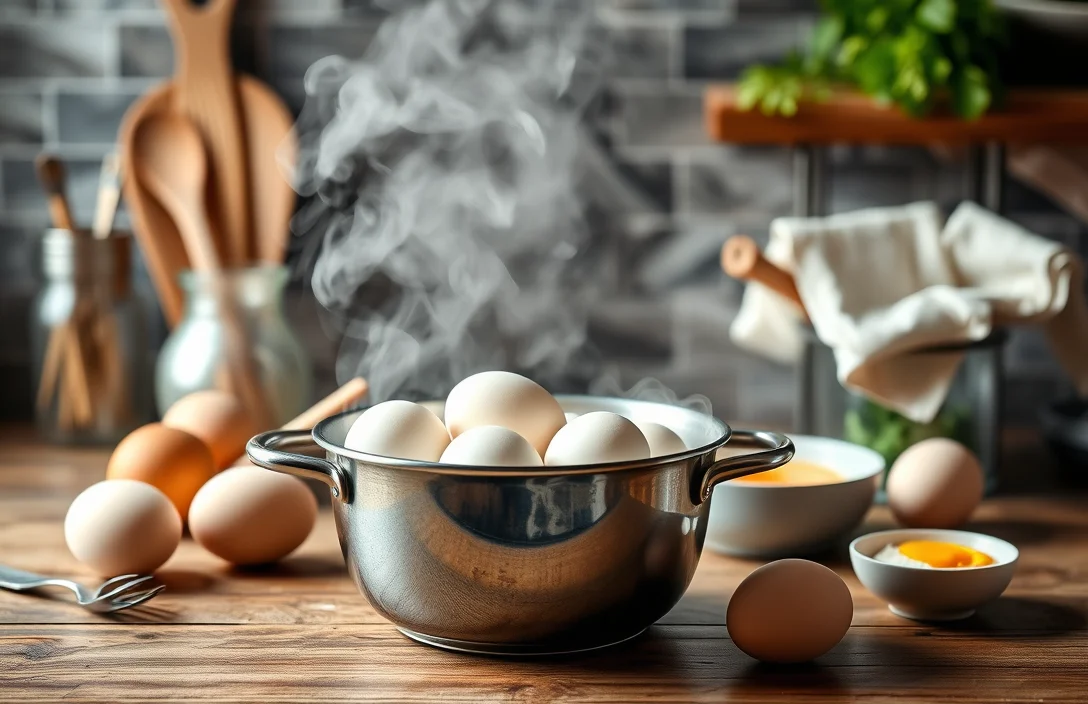
Seventy percent of Americans eat eggs regularly, making the art of boiling them a common kitchen skill. Mastering different techniques can elevate your breakfast game and ensure perfectly cooked eggs every time. Explore various methods to boil eggs, each offering unique benefits and flavors.
Boiling eggs can be simple yet versatile. Methods include stovetop boiling, steaming, microwave boiling, and sous vide. Each technique varies in cooking time and results, allowing you to choose based on your preference for texture and flavor.
Soft Boiled Egg Technique
Perfectly cooking a soft boiled egg requires precise timing. Start by bringing a pot of water to a rolling boil. Once boiling, gently lower the eggs into the water using a slotted spoon to prevent cracking. Aim for a cooking time of exactly six to seven minutes for that ideal runny yolk.
After cooking, immediately transfer the eggs to an ice bath. This halts the cooking process, preserving the desired texture. Let them sit in the ice bath for about five minutes for optimal results. Chilling is crucial to achieve that perfect soft center.
Peeling requires finesse. Gently tap the egg on a hard surface, then roll it to crack the shell. Begin peeling from the wider end, where there is often an air pocket, making the process easier. Enjoy the soft-boiled eggs on toast or as a delightful addition to salads.
Timing is essential throughout this method. Adjust the cooking time based on your stove’s heat and the size of the eggs. Experimentation may be necessary to find the perfect balance that suits your taste. Mastering this technique will enhance your egg-cooking repertoire significantly.
Hard Boiled Egg Method
Achieving perfect hard boiled eggs requires precision and timing. Follow these steps to ensure your eggs are cooked thoroughly without becoming rubbery. The key lies in starting with cold water and managing the boiling process carefully. Let’s break down the steps.
- Fill a pot with cold water, ensuring there’s enough to cover the eggs completely. Use at least an inch of water above the eggs for optimal cooking.
- Place the eggs in the pot gently to avoid cracking. Arrange them in a single layer to ensure even cooking.
- Turn the heat to high and bring the water to a rapid boil. Watch closely as it heats up.
- Once boiling, cover the pot with a lid and remove it from heat. Let the eggs sit for the following times: 9-12 minutes for hard boiled, depending on your desired firmness.
- Prepare an ice bath in a bowl with cold water and ice cubes. Once the cooking time is complete, transfer the eggs immediately to the ice bath. This halts the cooking process and makes peeling easier.
Complete the process by letting the eggs cool in the ice bath for at least 5 minutes. Afterward, gently tap them on a hard surface and peel the shells off under running water for best results.
Steam Boiling Eggs Process
Steam boiling eggs involves using steam to cook them instead of submerging them in water. Start by adding about an inch of water to a pot and place a steaming basket or colander inside. Ensure the water doesn’t touch the basket, allowing steam to circulate freely around the eggs.
Next, heat the pot over medium-high heat until the water begins to boil. Once boiling, carefully add your eggs to the steaming basket. Cover the pot with a tight-fitting lid to trap the steam inside, which is crucial for even cooking.
Timing is essential for achieving your desired doneness. For soft-boiled eggs, steam for about 6-7 minutes. For medium-boiled, aim for 8-9 minutes, and for hard-boiled, go for 10-12 minutes. Adjust the timing based on your preference.
After the desired time, quickly remove the eggs and place them in an ice water bath to stop the cooking process. This also makes peeling easier later. Let them cool for at least 5 minutes before peeling or storing.
Enjoy the results of this steaming method, which often results in tender whites and creamy yolks. Experiment with different steaming times to find the perfect texture for your taste!
Using Instant Pot for Eggs
Cooking eggs in an Instant Pot is efficient and yields consistent results. This method allows for easy peeling and precise control over doneness. Follow the steps below for perfectly boiled eggs in your Instant Pot.
- Place a steamer basket inside the pot. Ensure it fits comfortably without touching the sides.
- Add one cup of water to the bottom of the Instant Pot. This creates the steam necessary for cooking.
- Arrange the eggs in the steamer basket. You can stack them, but avoid overcrowding for even cooking.
- Seal the lid tightly and set the valve to “Sealing.” This step is crucial for the pressure to build.
- Adjust the cooking time based on your preference: 5 minutes for soft-boiled, 6-7 minutes for medium, and 8-9 minutes for hard-boiled.
- Once the timer goes off, perform a quick release by turning the valve to “Venting.” Be cautious of the steam.
- Transfer the eggs to an ice water bath immediately. This halts the cooking process and makes peeling easier.
Enjoy the convenience of this method and perfect your egg-boiling technique with practice!
Stovetop Boiling Tips and Tricks
Start with cold water to ensure even cooking. Place the eggs in a single layer in a saucepan and cover them with cold water, about an inch above the eggs. Bringing the water to a boil gradually helps prevent the shells from cracking.
Maintain a gentle boil for consistent results. Once the water reaches a rolling boil, reduce the heat to maintain a simmer. Avoid a vigorous boil, as it can lead to cracked shells and unevenly cooked eggs.
- Use a timer for precision. Set a timer for your desired doneness:
- Soft-boiled: 4-6 minutes.
- Medium-boiled: 7-9 minutes.
- Hard-boiled: 10-12 minutes.
Cool the eggs immediately after boiling. Transfer them to an ice water bath right after the timer goes off. This stops the cooking process and makes peeling easier.
Experiment with altitude adjustments. At higher altitudes, water boils at lower temperatures, requiring longer cooking times. Test your results to find the perfect timing for your location.
Microwave Boiling Technique
Boiling eggs in the microwave requires specific methods to ensure safety and prevent explosions. Follow these steps for perfectly boiled eggs without mishaps. This technique is quick and efficient, suitable for those who may not have access to traditional boiling methods.
- Place eggs in a microwave-safe bowl. Ensure they are fully submerged in water, covering them by at least an inch. This prevents them from overheating and cracking.
- Add half a teaspoon of salt per egg. Salt helps to prevent the eggs from bursting during the cooking process and makes peeling easier.
- Cover the bowl with a microwave-safe plate. This traps steam, allowing the eggs to cook evenly while reducing the risk of splatter.
- Microwave on high for 6-12 minutes. The exact time depends on your microwave’s wattage and your desired doneness. Start with 6 minutes for soft-boiled and increase as needed.
- After cooking, carefully remove the bowl using oven mitts. Let the eggs sit in hot water for a few minutes to finish cooking before cooling them under cold running water.
Following these steps ensures a successful microwave boiling technique, providing you with perfectly cooked eggs ready for any dish or snack.
Peeling and Flavoring Boiled Eggs
Remove shells effortlessly by cooling. Once your eggs are boiled, immediately transfer them to an ice bath. Chilling them for 5-10 minutes helps contract the egg white, creating space between the shell and the egg. This technique makes peeling easier and reduces the chances of tearing the delicate whites.
Seasoning boosts flavors significantly. For enhanced taste, consider marinating your peeled eggs in soy sauce, vinegar, or other marinades for a few hours. This method allows the flavors to penetrate deeply, resulting in a deliciously flavored snack or addition to salads.
Experiment with toppings for variety. Adding ingredients like paprika, fresh herbs, or hot sauce can elevate the simple boiled egg. These toppings not only enhance the visual appeal but also provide additional textures and flavors, making your eggs more exciting.
Storage plays a crucial role in freshness. Keep boiled eggs in their shells in the refrigerator for up to a week. Once peeled, store them in a covered container with a damp paper towel to maintain moisture and prevent drying out.
Quick Summary
- Boiling eggs can be done using various methods, including stovetop, microwave, and pressure cooker.
- Stovetop boiling offers control over cooking time for desired firmness: soft, medium, or hard-boiled.
- Microwave boiling requires careful attention to avoid explosions; use a microwave-safe container with water.
- A pressure cooker significantly reduces cooking time and ensures evenly cooked eggs.
- Adding vinegar or salt to the water can help prevent egg cracking during boiling.
- Ice baths after boiling help stop the cooking process and make peeling easier.
- Experimenting with cooking times and techniques can lead to the perfect boiled egg according to personal preference.
Frequently Asked Questions
What are the different methods to boil eggs?
You can boil eggs using several methods, including traditional stovetop boiling, steaming, and using an electric pressure cooker. Each method has its own advantages, such as speed or ease of peeling.
How long should I boil eggs for hard-boiled results?
For hard-boiled eggs, you should boil them for about 9 to 12 minutes, depending on your preference for firmness. It’s essential to cool them immediately in ice water to stop the cooking process.
Can I boil eggs directly from the fridge?
Yes, you can boil eggs straight from the fridge, but they may crack if the temperature difference is too great. To prevent this, let them sit at room temperature for about 10-15 minutes before boiling.
What is the best way to peel boiled eggs?
To peel boiled eggs easily, crack the shell gently and roll the egg on a flat surface to loosen it. Peeling under running water can also help remove stubborn bits of shell.
Is there a difference in taste between boiled and poached eggs?
While both boiled and poached eggs have a similar flavor profile, the texture can differ. Boiled eggs have a firmer texture, while poached eggs are softer and creamier due to cooking in water without the shell.
