
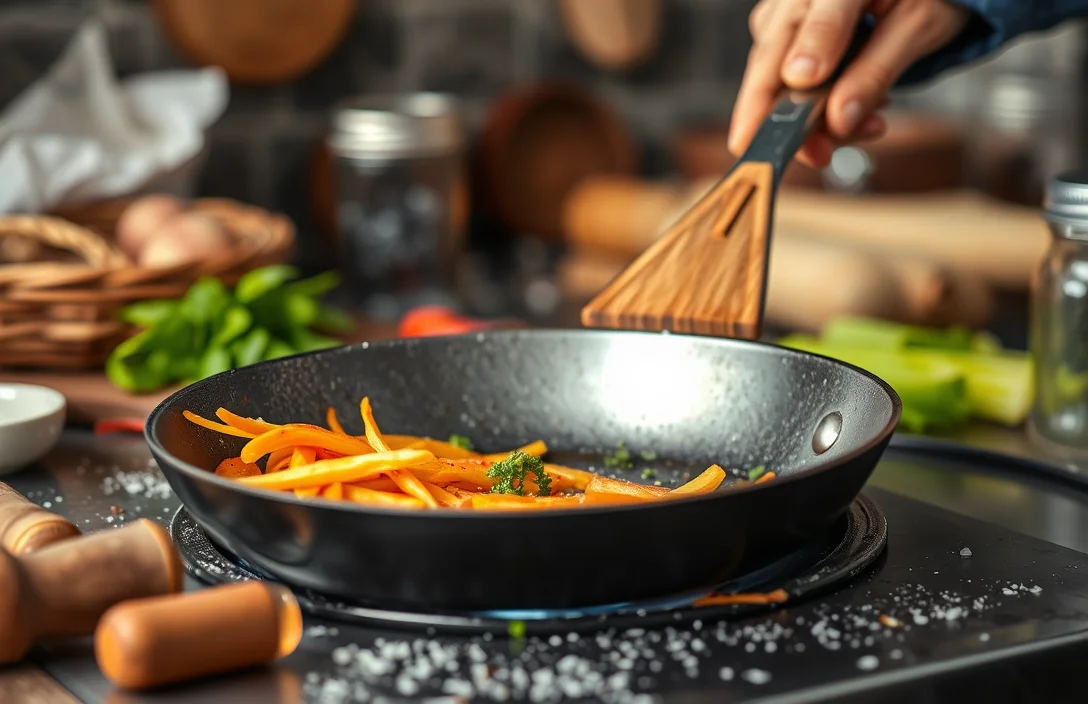
Frying pans can reach temperatures of over 500°F, leading to perfectly seared meats and crispy vegetables. Mastering this cooking technique can transform your meals and impress your guests. Understanding the nuances of frying can elevate your culinary skills exponentially.
Master heat control for optimal cooking. Choose the right oil with a high smoke point. Preheat your pan to ensure even cooking, and avoid overcrowding to maintain temperature.
Selecting the Ideal Frying Pan
Material significantly influences frying efficiency. Non-stick surfaces are ideal for delicate foods like eggs and pancakes, while stainless steel or cast iron excels at browning and searing meats. Each option offers unique benefits, so consider what you cook most often.
Size matters greatly for frying. A 10-inch pan typically serves well for home cooking, allowing ample space for flipping and stirring. Larger models can accommodate bigger meals, but they may be cumbersome for single servings or small kitchens.
Weight impacts control while cooking. Heavier pans provide better heat retention, making them suitable for dishes that require consistent, high temperatures. Lightweight options are easier to maneuver but may not distribute heat evenly.
Budget constraints influence your choice. Investing in quality cookware can yield better results and durability over time. Look for reputable brands that offer warranties, as this often indicates a commitment to quality.
Compatibility with your stovetop is crucial. Induction cooktops require specific materials like magnetic stainless steel or cast iron, while electric and gas stoves are compatible with a broader range of materials. Always check manufacturer guidelines before purchasing.
Understanding Cooking Oils for Frying
Oils vary significantly in their smoke points, which determine their suitability for frying. Selecting an oil with a high smoke point ensures that it can withstand the high temperatures required for frying without burning. Ideal options include canola oil, peanut oil, and grapeseed oil, all of which can handle temperatures above 400°F (204°C).
Olive oil presents a different consideration. While extra virgin olive oil has a lower smoke point, refined olive oil can be used effectively for frying. Its flavor is distinct, adding depth to dishes while maintaining good frying characteristics.
Coconut oil stands out due to its unique composition. With a smoke point around 350°F (177°C), it’s best for medium-heat frying, imparting a subtle coconut flavor. Choose virgin coconut oil for a more pronounced taste, while refined versions are neutral and versatile.
Avocado oil ranks among the highest smoke points at approximately 520°F (271°C). This makes it excellent for high-heat frying and sautéing. Rich in monounsaturated fats, it also offers health benefits while retaining flavor.
Grapeseed oil is another excellent choice, featuring a high smoke point and light flavor. Its high polyunsaturated fat content makes it ideal for frying without overpowering the dish’s natural flavors. Always consider the oil’s flavor profile and smoke point to achieve the best frying results.
Mastering Heat Levels and Timing
Controlling heat levels is crucial for achieving crispy results in frying. Begin by preheating the pan adequately before adding oil. A well-heated pan ensures that food sears quickly, preventing it from absorbing excess oil and becoming soggy.
Monitoring the temperature while cooking is essential. Use an infrared thermometer or simply drop a small piece of food into the oil to gauge readiness. If it sizzles immediately, the temperature is right for frying.
Adjusting heat during cooking can enhance results. If food browns too quickly, lower the heat to allow thorough cooking without burning. Conversely, if frying takes too long, increase the heat slightly to expedite the process.
Timing plays a significant role in texture and taste. Each food item requires different frying durations; for example, thin slices of vegetables need less time than thicker cuts of meat. Keep an eye on the clock and the appearance of the food to avoid overcooking.
Practicing these techniques will improve your frying skills. Experiment with different foods and heat settings to discover optimal conditions for each. Mastering heat levels and timing ultimately leads to perfectly crispy results.
Preparing Ingredients for Frying
Cutting ingredients uniformly ensures even cooking. For optimal frying, slice vegetables and proteins into similar sizes. Thin pieces cook quickly, while thicker cuts may require more time. Aim for uniformity to prevent uneven results in texture and doneness.
Seasoning prior to frying enhances flavor. Use a mix of salt, pepper, and spices to coat your ingredients evenly. Allow them to marinate for at least 15 minutes before cooking. This step infuses flavor and helps achieve a crispy exterior during frying.
Drying ingredients thoroughly prevents oil splatter. Excess moisture causes steam, which can lead to soggy results. Pat vegetables and proteins with paper towels to remove any water before placing them in the pan.
Choosing the right ingredients matters. Fresh, high-quality items yield better flavor and texture. Inspect produce for firmness and color, and select meats with good marbling. Quality directly affects the final outcome in the frying process.
Grouping similar types aids in cooking efficiency. Frying chicken with vegetables that have similar cooking times maximizes flavor absorption. Consider the order of frying based on cooking times to ensure everything reaches perfect doneness together.
Maintaining Optimal Oil Temperature
Controlling oil temperature directly influences frying success. Utilize a thermometer to monitor the heat accurately. Ideal frying temperatures typically range from 350°F to 375°F (175°C to 190°C). If the oil is too cold, food absorbs excess oil, resulting in sogginess. Conversely, oil that’s too hot can burn the exterior before the inside cooks properly.
Adjusting heat is crucial during cooking. If the temperature drops significantly after adding food, increase the burner to restore heat. Conversely, if the oil starts to smoke, reduce the heat immediately to avoid burning. Continuous monitoring ensures that the oil remains within the desired temperature range throughout the frying process.
Using different oils can affect the frying temperature. Oils with high smoke points, such as peanut or canola oil, work best for frying. These oils can withstand high temperatures without smoking or burning. Selecting the right oil not only aids in maintaining temperature but also enhances the flavor of the food.
Frequent testing is necessary to ensure consistent results. Dropping a small piece of bread into the oil can help determine if it’s ready; if it browns in about 60 seconds, the temperature is ideal. Maintaining optimal oil temperature is essential for achieving perfectly crispy results in your frying endeavors.
Perfecting Flipping and Turning Techniques
Mastering flipping and turning food requires technique and timing. Begin by using a spatula that suits the size of your food item. Ensure the spatula is thin enough to slide easily beneath the food, yet sturdy enough to support it. This ensures you can flip without breaking the food apart.
Practice a quick wrist motion. Instead of lifting the pan, use a flick of the wrist to toss the food into the air. This method minimizes the risk of spillage and allows for a more controlled flip. Aim to keep the food close to the pan to avoid losing it altogether.
Utilize the edges of the pan. If your food is sticking, gently slide the spatula around the edges first to loosen it. Once it’s free, flipping becomes much easier. Keeping the edges greased can also help reduce sticking, ensuring a smooth turn.
Timing plays a crucial role. Wait until the food has developed a crust before flipping or turning. This crust forms a barrier that helps keep the food intact. If you try to flip too early, it may break apart, ruining the presentation.
Visual cues indicate readiness. Look for browning or edges pulling away from the pan. These signs suggest that your food is ready to be flipped or turned. Observing these details enhances your frying skills, leading to perfectly cooked meals.
Cleaning and Caring for Frying Pans
Cast-iron pans: clean while warm, scrub with coarse salt and a stiff brush, rinse quickly, dry thoroughly over low heat, then rub with a thin coat of oil and heat until smoking point to maintain seasoning. Stainless-steel pans: soak briefly, scour with a paste of baking soda for stuck bits, polish with vinegar. Following material-specific care preserves performance and helps with how to fry pan effectively.
Quick Summary
- Choose the right frying pan: Opt for non-stick or stainless steel based on the food you are cooking.
- Preheat the pan: Allow the pan to heat up before adding oil to ensure even cooking.
- Use the appropriate amount of oil: Use enough oil to coat the bottom of the pan, but avoid excessive amounts.
- Control the heat: Adjust the heat as needed to prevent burning and to cook food evenly.
- Don’t overcrowd the pan: Cook in batches if necessary to maintain consistent heat and prevent steaming.
- Use the right utensils: Utilize spatulas or tongs that won’t scratch the surface of the pan.
- Let food rest: Allow food to rest after cooking for better texture and flavor.
Frequently Asked Questions
What type of pan is best for frying?
A non-stick frying pan is ideal for cooking delicate foods like eggs, as it prevents sticking and makes cleanup easier. For high-heat cooking, a stainless steel or cast-iron pan is preferable, as they provide better heat retention and browning.
How much oil should I use when frying?
The amount of oil needed depends on the type of food and the frying method. Generally, you should use enough oil to cover the bottom of the pan, about 1-2 tablespoons for sautéing, and enough to submerge the food if deep frying.
What temperature should I fry at?
The ideal frying temperature typically ranges from 350°F to 375°F (175°C to 190°C). Use a thermometer to check the oil temperature, or test it by adding a small piece of food; it should sizzle immediately if the oil is hot enough.
How do I prevent food from sticking to the pan?
To prevent sticking, ensure the pan is properly preheated and the oil is hot before adding food. Additionally, avoid overcrowding the pan, as this can lower the oil temperature and lead to sticking.
How do I know when my food is done frying?
Food is typically done frying when it reaches a golden-brown color and is cooked through, which can vary depending on the type of food. Using a food thermometer can help ensure that meats reach safe internal temperatures, while visual cues are often sufficient for vegetables and batters.
