
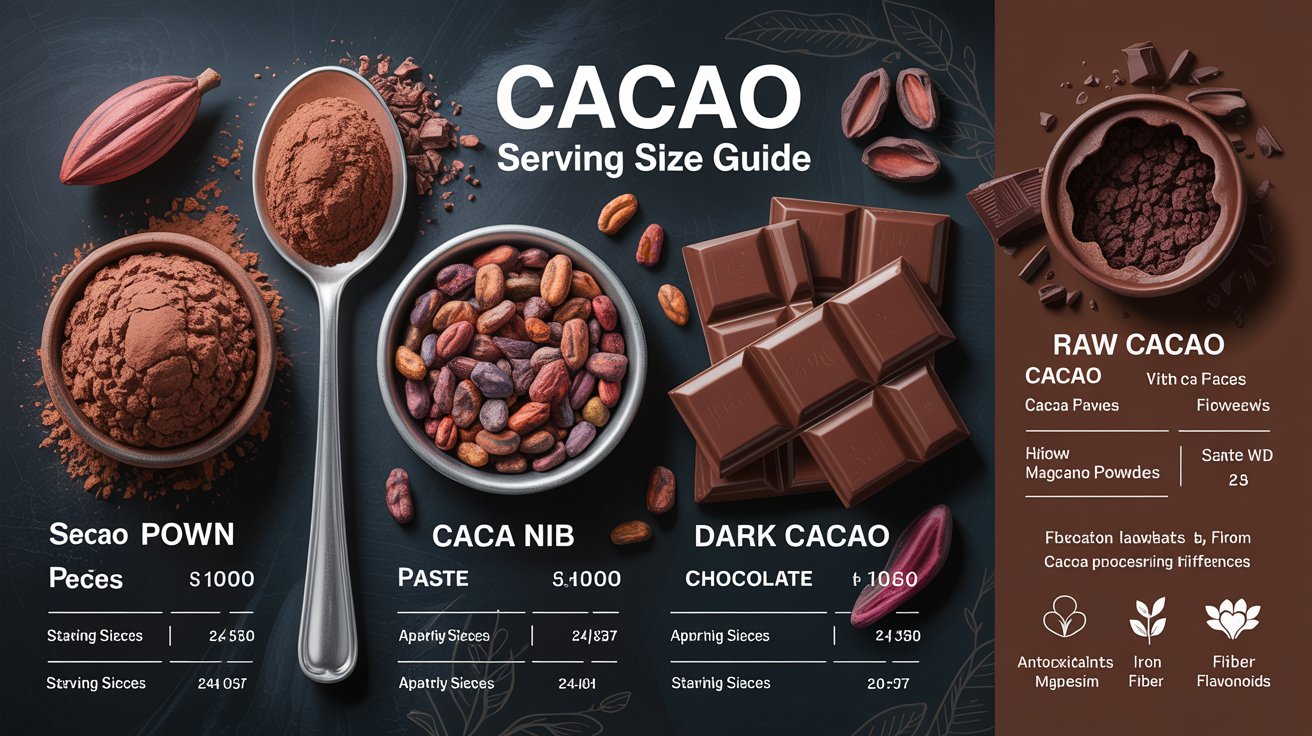
Cacao has become increasingly popular in smoothies, desserts, snacks, and health-focused recipes. Known as the raw and less processed form of chocolate, cacao is packed with rich flavor and beneficial nutrients. But because cacao products come in many forms—powder, nibs, and dark chocolate pieces—many people are unsure about the proper serving size. Understanding cacao serving sizes helps with nutrition, portion control, and getting the benefits of cacao without overdoing calories or stimulants. Whether you use cacao in baking or daily smoothies, knowing the right portion can make a big difference.
Why Cacao Serving Size Matters
Cacao is nutrient-dense and contains antioxidants, fiber, and minerals like magnesium and iron. However, it also contains natural fats and stimulants such as caffeine and theobromine. Eating too much cacao may lead to excess calorie intake or overstimulation for sensitive individuals.
Proper serving sizes help balance flavor, nutrition, and energy levels. Small portions often provide enough rich chocolate taste without overwhelming recipes or adding unnecessary calories.
Understanding serving sizes also helps when comparing raw cacao products to cocoa powder or dark chocolate.
Standard Cacao Serving Sizes
Cacao serving sizes vary depending on the form being used. Here are the most common cacao portions used in recipes and nutrition guides.
Cacao Serving Size Chart
| Cacao Type | Standard Serving | Weight (Approx.) | Calories (Approx.) |
|---|---|---|---|
| Cacao Powder | 1 tablespoon | 5–7g | 20–30 |
| Cacao Nibs | 1 tablespoon | 10–15g | 60–80 |
| Raw Cacao Paste | 1 ounce | 28g | 150–170 |
| Dark Cacao Chocolate | 1 ounce | 28–30g | 150–180 |
These numbers vary depending on processing methods and added ingredients.
Choosing The Right Cacao Portion
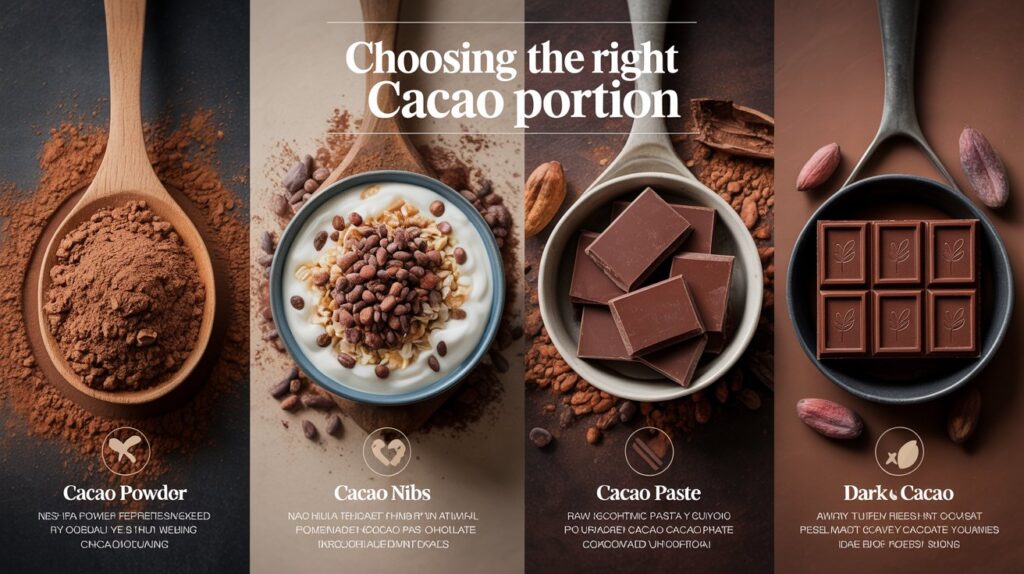
The best serving size depends on how cacao is being used. Here are some common examples:
- Cacao Powder: Great for smoothies, baking, or hot drinks.
- Cacao Nibs: Ideal for yogurt, oatmeal, or snack toppings.
- Cacao Paste: Common in homemade chocolate recipes.
- Dark Cacao Chocolate: Works well as a dessert or snack.
Because cacao has a rich and slightly bitter flavor, smaller amounts are usually enough.
Cacao Serving Size Comparison: Cacao Vs. Cocoa Powder
Cacao and cocoa powder are similar but processed differently.
Cacao vs Cocoa Powder Portions
| Product Type | Typical Serving | Flavor Profile | Processing Level |
|---|---|---|---|
| Raw Cacao | 1 tablespoon | Rich, bitter | Minimal |
| Cocoa Powder | 1 tablespoon | Smoother, milder | More processed |
Raw cacao often retains more nutrients because it undergoes less heat processing.
Cacao And Nutrition
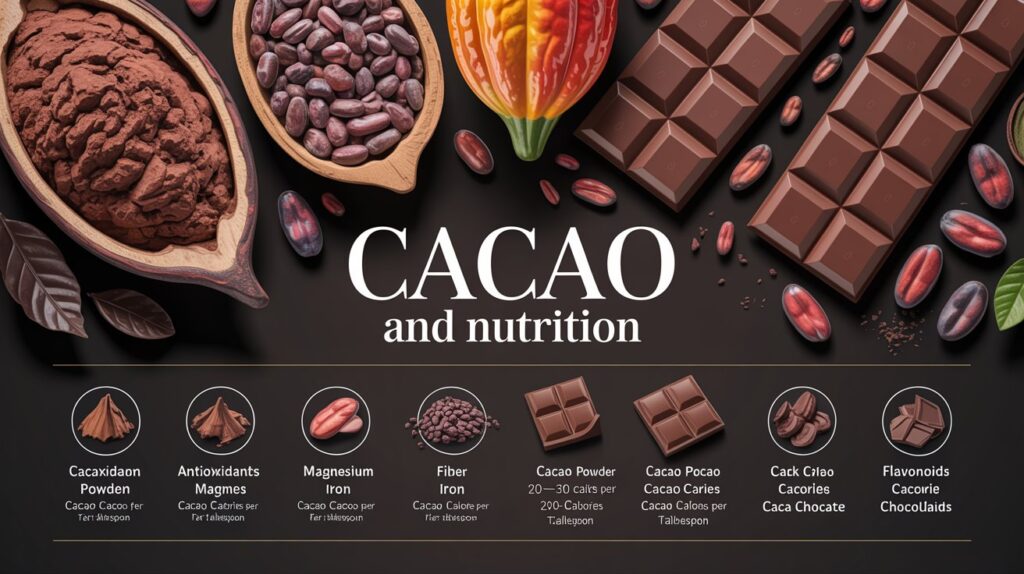
Cacao provides several important nutrients and plant compounds, including:
- Antioxidants
- Magnesium
- Iron
- Fiber
- Flavonoids
A tablespoon of cacao powder contains only around 20–30 calories, while cacao nibs and chocolate products contain more fat and calories.
Many health-conscious eaters prefer cacao because it delivers strong chocolate flavor with minimal added sugar.
Visual Guide: Cacao Serving Sizes
Visual comparisons can make portions easier to estimate during cooking or snacking.
Cacao Portion Guide
| Serving Type | Best Use | Visual Comparison |
|---|---|---|
| 1 Tbsp Powder | Smoothies or baking | Spoonful size |
| 1 Tbsp Nibs | Toppings or snacks | Small handful |
| 1 oz Chocolate | Dessert portion | Matchbox size |
| 2 oz Chocolate | Larger treat | Smartphone width |
Credit: www.healthline.com
Tips For Measuring Cacao Portions
- Use measuring spoons: Cacao powder can pack tightly.
- Start with small amounts: Raw cacao flavor can be intense.
- Pair with natural sweeteners: Honey or fruit balances bitterness.
- Store properly: Keep cacao products cool and dry.
- Read labels carefully: Some cacao products contain added sugar or oils.
Balanced portions help maintain both flavor and nutrition.
Common Mistakes When Using Cacao
- Using too much powder: Excess cacao can taste overly bitter.
- Ignoring calories in cacao chocolate: Chocolate forms are more calorie-dense.
- Confusing cacao with cocoa: Nutrition and flavor can differ.
- Adding too much sweetener: This may reduce cacao’s health benefits.
Understanding serving sizes improves both taste and meal balance.
How Cacao Serving Size Affects Nutrition
Smaller cacao portions can provide antioxidants and rich flavor without excessive calories. Larger portions, especially in chocolate form, may increase fat and calorie intake quickly.
Because cacao is naturally rich and satisfying, moderate amounts usually provide enough flavor and enjoyment.
The History Of Cacao
Cacao has been used for thousands of years and originated in Central and South America. Ancient civilizations valued cacao for ceremonial drinks and trade. Traditionally, cacao beverages were bitter and unsweetened compared to modern chocolate products.
Today, cacao is widely used in everything from health foods to gourmet desserts because of its bold flavor and nutritional reputation.
Frequently Asked Questions
What Is A Standard Serving Size Of Cacao Powder?
A standard serving is about 1 tablespoon, or 5–7g.
How Many Calories Are In Cacao Powder?
One tablespoon typically contains around 20–30 calories.
Is Cacao Healthier Than Cocoa Powder?
Raw cacao is usually less processed and may retain more nutrients.
Can I Eat Cacao Nibs Daily?
Yes, moderate portions such as 1 tablespoon daily are commonly enjoyed.
Does Cacao Contain Caffeine?
Yes, cacao naturally contains small amounts of caffeine and theobromine.
Cacao serving size may seem like a small detail, but it can greatly affect flavor, nutrition, and overall enjoyment. Whether you’re blending smoothies, baking desserts, or snacking on cacao nibs, understanding proper cacao serving sizes helps you enjoy this rich ingredient in a balanced and healthy way.
