
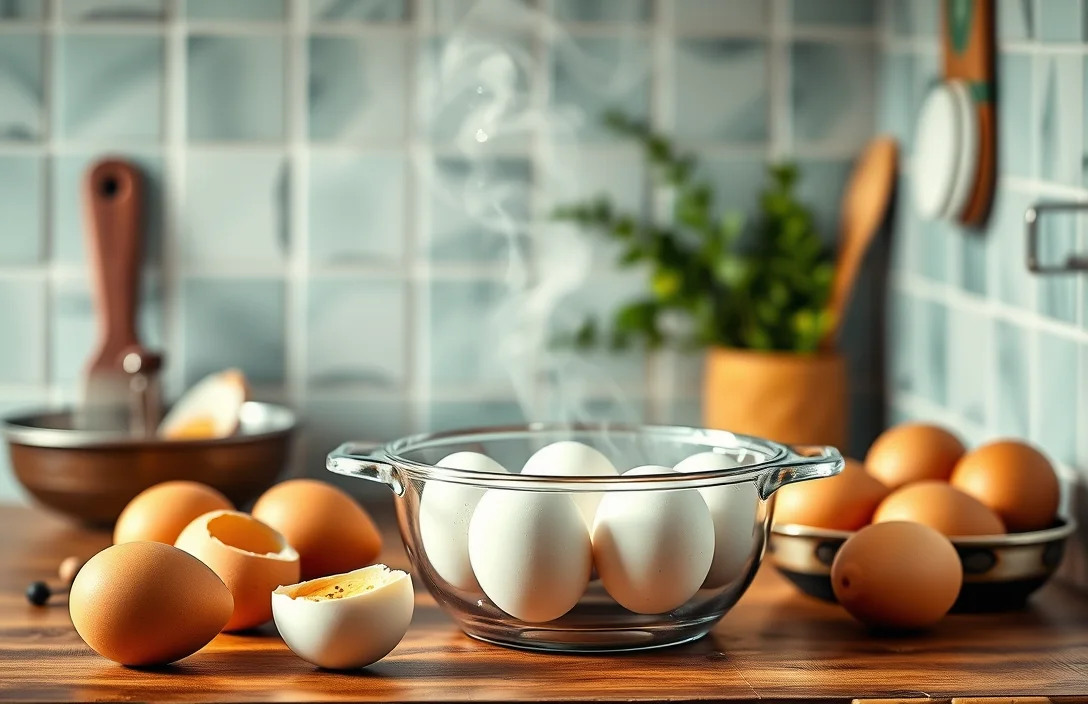
Boiling eggs may seem simple, but nearly 50% of people struggle to achieve the perfect hard or soft-boiled egg. Fear not, as mastering this technique is easier than you think, allowing you to impress family and friends with your kitchen skills.
Follow these key points for success: start with cold water, control the timing for your desired doneness, and cool in ice water to stop cooking. Enjoy the simplicity!
Choosing the Right Eggs for Boiling
Selecting fresh eggs is crucial. Freshness affects both flavor and texture when boiling. Check the sell-by date on the carton, aiming for eggs that are within a few weeks of that date. Fresh eggs will have a firmer white and a more centered yolk, which helps achieve the desired boiled egg consistency.
Medium-sized eggs work well for boiling. They provide a good balance of yolk and white, allowing for even cooking. Large eggs are also common, but medium eggs may yield slightly superior results in terms of texture and taste. Adjusting cooking times may be necessary if you choose different sizes.
Organic or free-range eggs can enhance flavor. While more expensive, they often come from hens that are raised in healthier conditions, which can affect taste and quality. If you’re looking for an elevated boiling experience, consider investing in these types.
Egg color does not affect boiling. Whether brown or white, the boiling process remains the same. Choose based on personal preference or availability, as both types yield equally delicious results. Focus on freshness and size for the best outcome.
Understanding Egg Size and Cooking Time
Egg size significantly influences boiling time. Smaller eggs require less cooking duration, while larger ones need more time to reach that perfect consistency. Knowing the size of your eggs helps achieve the desired outcome with ease and accuracy.
- Medium eggs typically need 9-12 minutes. Adjust timing based on doneness preference.
- Large eggs usually require 10-13 minutes. This size is common in most recipes.
- Extra-large eggs often take 11-14 minutes. Expect longer cooking for firmer yolks.
- Jumbo eggs can need 12-15 minutes. Monitoring is key to prevent overcooking.
Timing adjustments become easier with practice. Keeping a timer handy ensures consistent results each time you boil. Experimenting with different sizes will enhance your confidence in the kitchen.
Differences Between Hard and Soft Boiled Eggs
Soft-boiled eggs feature a runny yolk and tender whites, while hard-boiled eggs have a fully cooked yolk and firm whites. The cooking time and method largely determine these textures. Soft-boiled eggs require less time in boiling water compared to their hard counterparts. Aim for a gentle simmer to achieve the desired consistency.
Timing plays a crucial role in egg preparation. For soft-boiled eggs, cook them for approximately 4 to 6 minutes, depending on your preference for yolk consistency. In contrast, hard-boiled eggs need 9 to 12 minutes for a fully set yolk. Use a timer to prevent overcooking and ensure perfect results.
Temperature affects the cooking process significantly. Starting with cold water for both types is common; however, soft-boiled eggs benefit from a cooler start to maintain their delicate texture. Hard-boiled eggs are more forgiving and can handle a quick boil without compromising quality.
Peeling can vary based on cooking time. Soft-boiled eggs often peel more easily due to fewer air pockets, while hard-boiled eggs may require a bit more effort. Cooling them in ice water after boiling can help with peeling, regardless of the type.
Optimal Water Temperature and Quantity
Boiling eggs requires the right water temperature and quantity for best results. Using enough water to cover the eggs by at least an inch ensures even cooking. Start with cold water and allow the eggs to come to temperature gradually, which reduces the risk of cracking. This method also helps achieve the desired doneness without overcooking.
Maintaining a gentle simmer is crucial. Once the water reaches a boil, lower the heat to keep it simmering rather than a rolling boil. A rolling boil can cause the eggs to bounce around and crack. Aim for a temperature between 180°F and 190°F (82°C to 88°C) for optimal cooking.
Measuring water accurately is key. For standard large eggs, use about four to six cups of water in a medium pot. Adjust the amount based on the number of eggs you’re cooking, ensuring they all fit comfortably without overcrowding. Overcrowding can lead to uneven cooking.
Timing plays an essential role in achieving perfect eggs. Once the water is at the right temperature, start your timer based on your preference for soft or hard-boiled. Remember, the cooking time will vary slightly depending on the size of the eggs and your altitude.
Utilizing an Ice Bath for Easy Peeling
Chilling eggs in an ice bath immediately after boiling makes peeling them simpler. Fill a large bowl with ice and cold water before your eggs finish cooking. Once the eggs are done, transfer them directly into the ice bath using a slotted spoon. This quick temperature change helps separate the shell from the egg white, reducing the risk of tearing.
Cooling the eggs for about 5-10 minutes ensures they are sufficiently chilled. As the eggs cool, the contraction of the egg inside the shell occurs, which creates a bit of space that aids in peeling. This technique is especially helpful for fresh eggs, which tend to be more challenging to peel.
After the chilling period, gently tap the eggs on a hard surface to crack the shell. Begin peeling from the wider end, where there’s often an air pocket, making it easier to start. If you encounter any stubborn bits, running the egg under cool water can help loosen the shell further.
Avoiding Common Boiling Mistakes
Timing eggs incorrectly leads to undesired results. Overcooking can result in rubbery whites and a greenish yolk, while undercooking leaves the yolk too soft. To achieve perfect boiled eggs, follow these simple time guidelines based on your desired doneness:
- Five minutes for soft-boiled eggs with runny yolks.
- Eight minutes for medium-boiled eggs with a slightly firm yolk.
- Ten to twelve minutes for hard-boiled eggs that are fully cooked through.
Heat adjustments are crucial for consistent results. If boiling too vigorously, eggs might crack, causing messy results. Keep the water at a gentle simmer, allowing eggs to cook evenly without agitation. Monitor the heat closely, especially when working with larger quantities.
Cooling eggs too slowly can lead to overcooking. Immediately transfer your eggs to an ice bath after boiling. This stops the cooking process and makes peeling easier. Allowing them to sit in the ice bath for at least five minutes ensures optimal texture and flavor.
Cracking eggs before boiling can cause them to leak. Always use fresh eggs and inspect for any cracks before cooking. If you notice any, it’s best to discard them to avoid potential mess and uneven cooking.
Enhancing Flavor with Seasoning Tips
Seasoning boiled eggs elevates their flavor significantly. Simple additions can transform a basic egg into a delightful snack or meal. Consider using salt and pepper, which are classic staples, but don’t hesitate to experiment with herbs and spices that suit your taste.
Paprika adds a smoky depth. Sprinkle it over warm eggs for a burst of color and flavor. For a hint of heat, try cayenne pepper or chili flakes. These spices create a pleasant kick that enhances the overall enjoyment.
Chopped fresh herbs work wonders. Dill, chives, or parsley can brighten the dish and add freshness. Mix these herbs into a yogurt or mayonnaise dressing for a creamy dip that complements the eggs beautifully.
Experimenting with sauces is also rewarding. A drizzle of soy sauce or sriracha can introduce exciting flavor profiles. For a luxurious touch, consider a sprinkle of truffle oil or a dollop of hollandaise sauce, making your boiled eggs feel extra special.
Always remember to taste as you go. Adjusting flavors based on your preferences ensures satisfaction with every bite. With these seasoning tips, you can confidently enjoy boiled eggs in new and exciting ways.
Quick Summary
- Start with eggs at room temperature for even cooking.
- Use a pot with enough water to cover the eggs by at least an inch.
- Bring the water to a rolling boil before adding the eggs gently.
- Cook the eggs for 9-12 minutes depending on desired doneness.
- Immediately transfer eggs to an ice bath to stop cooking.
- Peel under running water for easier shell removal.
- Store boiled eggs in the refrigerator for up to one week.
Frequently Asked Questions
What is the easiest way to boil eggs?
The easiest way to boil eggs is to place them in a pot, cover them with cold water, and bring the water to a boil. Once boiling, cover the pot and remove it from heat, letting the eggs sit for about 9-12 minutes depending on your desired doneness.
How do I know when my eggs are done boiling?
You can tell if your eggs are done by timing them based on how you like them cooked. For soft-boiled eggs, let them sit for about 6-7 minutes, while hard-boiled eggs typically need 9-12 minutes. A quick test is to spin the egg; if it spins easily, it’s cooked through.
Should I start with cold or hot water?
Start with cold water when boiling eggs, as this helps to cook them evenly and reduces the chance of cracking. Starting with cold water allows the eggs to heat gradually, which is gentler and results in a better texture.
How can I prevent my eggs from cracking while boiling?
To prevent cracking, gently place the eggs in the pot using a spoon and avoid dropping them in. You can also add a splash of vinegar or salt to the water, which can help seal any cracks that might form.
What’s the best way to peel hard-boiled eggs?
The best way to peel hard-boiled eggs is to let them cool in an ice bath right after boiling. Once cool, gently tap the egg on a hard surface to crack the shell, then roll it to loosen the shell before peeling it under running water to help remove any stubborn bits.
