
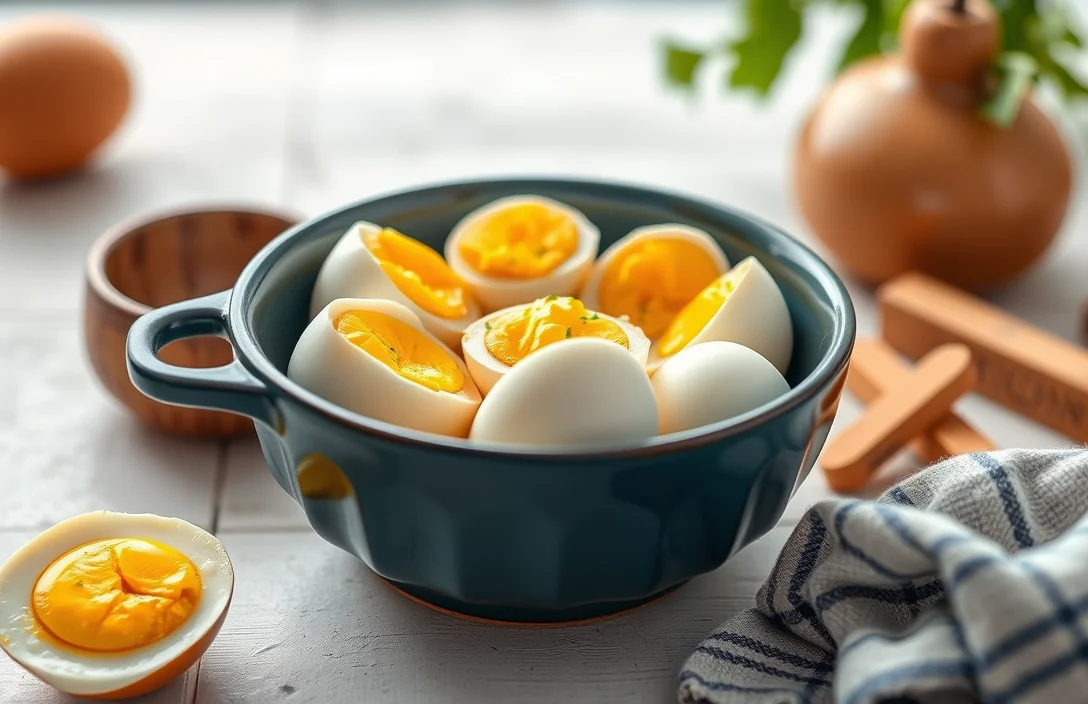
Seventy percent of Americans cook boiled eggs incorrectly, leading to frustrating results. Mastering the art of boiling eggs ensures perfect texture and flavor, whether for breakfast or a salad. Knowing the right techniques can elevate your cooking skills and make meal prep simple and satisfying.
Follow these key points for perfect boiled eggs: start with cold water, adjust cooking time based on desired doneness, and shock in ice water to prevent overcooking. These steps guarantee consistently delicious results every time.
Choosing Fresh Eggs for Boiling
Select fresh eggs for boiling. Check the packaging date to ensure they are as recent as possible. Fresh eggs will yield better flavor and texture, crucial for achieving perfectly cooked results. Older eggs tend to be harder to peel and may not have the desired taste.
- Look for clean, uncracked shells. A pristine shell indicates better handling and storage, reducing the chances of contamination. Cracks can harbor bacteria, compromising food safety.
- Inspect the eggs’ size and weight. Heavier eggs generally contain more moisture, contributing to a better boiling outcome. Standard large eggs are often preferred for most recipes.
- Smell the eggs if possible. Fresh eggs should not have any strong or unpleasant odors. An off smell usually indicates spoilage, which is a sign to avoid that particular carton.
- Check for float test suitability. Place an egg in a bowl of water; if it sinks, it’s fresh. If it floats, it’s best discarded, as this indicates air has entered the shell, suggesting age.
Understanding Egg Size and Cooking Duration
Egg size significantly influences boiling time. Large eggs typically require about 9-12 minutes for hard boiling, while medium eggs may take 8-10 minutes. Understanding these variations ensures you achieve the desired doneness without overcooking.
Small eggs generally boil faster. For optimal results, aim for about 7-9 minutes for soft-boiled versions. Adjusting the time based on egg size prevents rubbery textures and ensures creamy yolks.
Cooking methods should account for size differences. If using a pot, place eggs in cold water, ensuring they are submerged. As the water heats, the timing starts once it reaches a rolling boil. Monitoring this closely is crucial, especially with varying sizes.
Temperature also plays a role. Fresh eggs straight from the fridge will require slightly more time compared to those at room temperature. Letting eggs sit out for about 30 minutes can improve consistency in cooking.
Lastly, testing doneness is essential. After the recommended boiling time, immerse eggs in cold water for a few minutes. This halts the cooking process and allows for easier peeling, particularly important for larger eggs, which may continue to cook even after removed from heat.
Utilizing Instant Pot for Boiling Eggs
Begin by placing a steam rack inside your Instant Pot. Add one cup of water to the bottom of the pot. This water is essential for creating steam, which cooks the eggs efficiently. You can adjust the number of eggs based on your needs, but ensure they fit comfortably on the rack without overcrowding.
Set the Instant Pot to high pressure for the preferred cooking time. For soft-boiled eggs, aim for 3 to 4 minutes; for hard-boiled, 5 to 6 minutes works well. Once the timer finishes, allow the pot to naturally release pressure for 5 minutes before performing a quick release to let out any remaining steam.
Remove the eggs carefully after releasing the pressure. Use tongs or a slotted spoon to avoid burns. Rapidly cooling the eggs will help with peeling later, so prepare an ice bath beforehand. Transferring them directly to the ice bath will halt the cooking process and make them easier to handle.
Peeling boiled eggs becomes simpler using this method. Cracking the shell gently and rolling it on a hard surface helps loosen the shell. Starting at the wider end often reveals an air pocket, making the process smoother. Enjoy your perfectly cooked eggs in salads, sandwiches, or on their own!
Implementing the Ice Bath Method
Using an ice bath immediately after boiling enhances the cooking process significantly. This simple technique halts the cooking process, ensuring eggs do not overcook. A quick transfer to an ice bath also makes peeling easier, resulting in a smoother experience. Follow these steps to implement this method effectively.
- Prepare a large bowl filled with ice and cold water before boiling.
- Transfer boiled eggs directly from the pot to the ice bath using a slotted spoon.
- Let the eggs sit in the ice bath for at least 5-10 minutes.
- Remove the eggs and dry them before peeling.
Cooling eggs thoroughly in an ice bath prevents the development of a green ring around the yolk. Additionally, this method firms up the egg whites, which aids in achieving the perfect boiled texture. Incorporating this step consistently will lead to better results every time.
Implementing an ice bath not only enhances flavor but also improves the overall presentation of your boiled eggs. By staying mindful of this step, you can ensure that your cooking skills elevate to new standards.
Peeling Techniques for Easy Egg Shell Removal
Start with a gentle tap. Lightly striking the egg against a hard surface creates small cracks, making the shell easier to remove. Avoid excessive force to prevent the egg from breaking apart uncontrollably.
Consider using the rolling method. Place the egg on a flat surface and roll it gently with your palm. This technique breaks the shell uniformly and helps separate it from the egg white, facilitating easier peeling.
- Use cold water for rinsing. After cracking the shell, running the egg under cold water can help dislodge any stubborn pieces stuck to the surface.
- Peel under running water. This method allows water to seep between the shell and the egg, making shell removal smoother and more efficient.
- Try removing from the wide end. Starting at the wider end, where there’s often an air pocket, can help in peeling as it usually provides better leverage.
Prioritize fresh eggs for easier peeling. While older eggs tend to peel better, fresh eggs benefit from proper cooking techniques and cooling methods, ensuring optimal results.
Storage Strategies for Boiled Eggs
Store boiled eggs in their shells to maintain freshness and prevent odor absorption. Keeping them unpeeled in the refrigerator allows for a longer shelf life, usually around one week. The protective shell helps shield the egg from bacteria and other contaminants, ensuring your boiled eggs remain safe to eat.
Label containers with the date boiled. Knowing when the eggs were prepared helps manage their freshness. Use a marker to write the date on the container or use a sticky note for easy reference. This practice assists in meal planning and ensures you consume the eggs at their best quality.
Refrigerate eggs promptly after cooling. Letting them sit at room temperature for too long may increase the risk of bacteria growth. Aim to place the boiled eggs in the fridge within two hours of cooking to keep them safe for consumption.
Consider using a covered container for storage. A sealed container can help minimize the risk of moisture loss and prevent the eggs from absorbing smells from other foods in the fridge. This method keeps the eggs fresher for longer, enhancing their taste and texture.
Quick Summary
- Start with fresh eggs for the best results.
- Place eggs in a saucepan and cover with cold water.
- Bring the water to a rolling boil over medium-high heat.
- Once boiling, remove from heat and cover the pan; let sit for the desired time (6-12 minutes).
- Immediately transfer eggs to an ice bath to stop cooking.
- Peel under running water for easier shell removal.
- Store boiled eggs in the refrigerator for up to one week.
Frequently Asked Questions
How long do I need to boil eggs for hard-boiled results?
To achieve hard-boiled eggs, you should boil them for about 9 to 12 minutes. Start the timer once the water reaches a rolling boil, and adjust the time based on how firm you prefer the yolk.
What is the best method to start boiling eggs?
The best method is to place eggs in a single layer in a saucepan and cover them with cold water, ensuring there’s about an inch of water above the eggs. This helps to prevent cracking and promotes even cooking.
How can I easily peel boiled eggs?
To make peeling easier, consider using eggs that are a few days old rather than fresh ones. After boiling, cool the eggs in ice water for about 5-10 minutes, which helps to separate the membrane from the shell.
Can I boil eggs in an electric kettle?
Yes, you can boil eggs in an electric kettle, but be sure to add enough water to cover the eggs completely. Monitor the process closely to avoid overcooking, and consider using a kettle with an automatic shut-off feature for safety.
What should I do if my eggs crack while boiling?
If your eggs crack while boiling, don’t worry too much; they are still safe to eat. To minimize further cracking, reduce the heat slightly and keep the water at a gentle boil instead of a vigorous one.
