
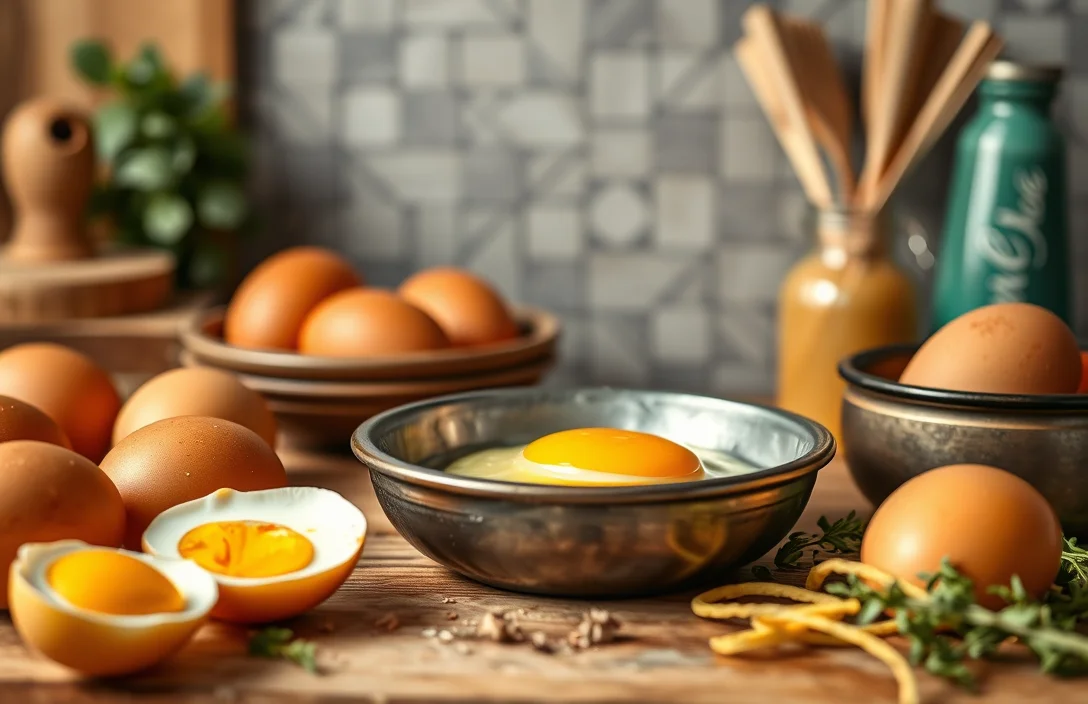
Cooking eggs perfectly can elevate your breakfast game; nearly 90% of people struggle with achieving the ideal texture and flavor. Mastering egg preparation opens doors to endless culinary possibilities that can impress anyone at the breakfast table.
Start with fresh eggs for the best results. Choose cooking methods like boiling, scrambling, or poaching. Adjust heat levels for perfect doneness, and always use seasoning to enhance flavors.
Choosing the Right Types of Eggs
Egg quality impacts flavor significantly. Fresh, high-quality eggs contribute to better taste and texture. Look for eggs from reputable farms that prioritize animal welfare, as happier chickens often produce superior eggs. Organic and free-range options tend to have richer yolks and more robust flavors compared to conventional eggs.
Specialty eggs offer unique culinary benefits. Pasture-raised eggs typically have a deeper flavor profile due to the chickens’ varied diets. Duck eggs, for instance, are creamier and richer, making them ideal for baking or gourmet dishes. Quail eggs are smaller but pack a punch, perfect for garnishes or appetizers.
Nutrition varies among egg types. Organic eggs usually come from hens fed organic feed and are free from antibiotics and hormones. Omega-3 enriched eggs contain higher levels of healthy fats, which can enhance heart health. These nutritional differences may influence your choice based on dietary needs.
Shell color doesn’t determine quality. Brown and white eggs are nutritionally similar; the color merely reflects the breed of the hen. Focus on freshness and quality over shell color when selecting eggs for cooking, as both types can yield excellent results.
Essential Tools for Egg Cookery
Quality cookware ensures optimal egg preparation. Non-stick frying pans are essential for scrambling or frying eggs, allowing for easy release without sticking. Look for pans with a durable coating to withstand high heat and frequent use. A well-seasoned cast-iron skillet also works well, providing excellent heat retention and flavor enhancement.
Reliable utensils enhance the cooking process. A heat-resistant spatula made of silicone or wood helps to flip and serve eggs without damaging your cookware. A whisk is necessary for beating eggs, ensuring a light and fluffy texture. Invest in a good-quality whisk for better results.
Measuring tools are crucial for accuracy. A liquid measuring cup allows precise measurement of ingredients like milk or cream, while a set of measuring spoons ensures you add just the right amount of seasoning. Consistency in measurements leads to more reliable outcomes in egg dishes.
Temperature control is vital for perfect results. An instant-read thermometer helps determine when eggs reach the desired doneness, particularly for poaching or boiling. It guarantees that you avoid undercooking or overcooking, preserving the quality and safety of the eggs.
Storage solutions keep eggs fresh longer. An egg carton is ideal for storing eggs in the refrigerator, protecting them from odors. Using a designated container for cooked egg dishes helps maintain freshness and prevents contamination.
Boiling Eggs to Perfection
Start by selecting the right eggs for boiling. Fresh eggs are ideal, but slightly older ones peel more easily. Choose large eggs for consistent results. Before cooking, bring them to room temperature to prevent cracking during boiling. This simple step can make a significant difference.
Next, place the eggs in a pot and cover them with cold water. Ensure the water level is about an inch above the eggs for even cooking. Heat the pot on medium-high until the water reaches a rolling boil. This initial high temperature is crucial for achieving the proper doneness.
Once boiling occurs, reduce the heat to a gentle simmer. For soft-boiled eggs, cook for about 6-7 minutes, allowing for a runny yolk. For medium-boiled, aim for 8-9 minutes, while hard-boiled eggs require about 10-12 minutes. Timing is essential for desired results, so keep a timer handy.
After the cooking time, immediately transfer the eggs to an ice bath. This halts the cooking process and makes peeling easier. Let them sit for at least five minutes before cracking the shells. Following this method guarantees perfectly boiled eggs every time.
Scrambling Eggs with Flair
Whisking eggs vigorously creates fluffiness. Use a fork or whisk to combine the eggs until the yolks and whites are fully blended. This technique incorporates air into the mixture, which is vital for achieving that light, airy texture characteristic of perfect scrambled eggs. Aim for a uniform color without streaks.
Preheating the pan is essential. Use a non-stick skillet over medium-low heat and allow it to warm before adding fat. Butter or oil works best to enhance flavor and prevent sticking. The right temperature ensures even cooking, which is crucial for the final outcome.
Pouring the egg mixture into the pan should be done gently. Allow the eggs to sit undisturbed for a few moments until the edges begin to set. This step helps form soft curds, which are the hallmark of well-scrambled eggs. Patience is key; avoid constant stirring.
Using a spatula, gently fold the eggs. Move the spatula from the edges toward the center, allowing uncooked eggs to flow to the outer edges. Repeat this process until the eggs are mostly set but still slightly runny. The residual heat will continue cooking them off the heat, ensuring a creamy texture.
Finishing touches enhance the flavor. Season with salt and pepper just before serving, or add herbs and cheese for extra taste. Serve immediately to enjoy their warm, fluffy goodness, as scrambled eggs can quickly lose their appeal if left to sit.
Crafting Flawless Omelettes
Whisk eggs vigorously for fluffiness. Begin by cracking fresh eggs into a bowl and adding a pinch of salt. Use a fork or whisk to beat them until the yolks and whites are fully combined, incorporating air to create a light texture. Aim for a smooth and homogeneous mixture, which is key for achieving a perfectly cooked omelette.
Heat a non-stick skillet over medium heat. Choose a pan with a smooth surface to prevent sticking. Add a teaspoon of butter or oil, allowing it to melt and coat the bottom evenly. The right temperature ensures that the omelette cooks without browning, resulting in a tender and soft finish.
Pour in the egg mixture once the skillet is hot. Allow the eggs to spread evenly across the surface. Using a spatula, gently push the edges toward the center as they begin to set. This technique helps create layers and promotes even cooking throughout the omelette.
Fill with desired ingredients before folding. Consider adding cheese, vegetables, or herbs once the edges are firm but the center remains slightly runny. This timing allows flavors to meld without overcooking the omelette.
Slide the omelette onto a plate to serve. Carefully fold it in half before transferring, ensuring it retains its shape. Garnish with fresh herbs if desired, and enjoy your delicious creation immediately for the best texture and taste.
Frying Eggs with Precision
Achieving perfectly fried eggs requires attention to detail and technique. Start with fresh eggs and a non-stick skillet for ease. Heat the skillet over medium-low heat, ensuring it’s hot enough to create a delicate texture without burning the eggs. Follow these steps for optimal results.
- Crack the egg gently into a small bowl first. This prevents shell fragments from entering the pan and allows for a more controlled pour.
- Slide the egg from the bowl into the skillet, avoiding any splashes. Be patient and let it cook undisturbed for a few moments to set the edges.
- Monitor the cooking process closely. For a sunny-side-up finish, cook until the whites are fully set while the yolk remains runny.
- Flip the egg for over-easy or over-medium styles. Use a spatula to gently turn the egg, ensuring you don’t break the yolk while flipping.
- Season with salt and pepper during cooking for flavor. This enhances the overall taste and complements the egg’s natural richness.
Mastering these steps will significantly improve your frying skills, ensuring each egg is cooked to perfection. Enjoy the delicious results!
Mastering the Art of Poaching Eggs
Poaching eggs requires precision and practice. Follow these simple steps to achieve perfectly poached eggs every time. The technique ensures the whites are set while keeping the yolks runny. Experimenting with different methods can yield delightful variations, but these steps provide a solid foundation.
- Fill a large saucepan with water. Aim for about three inches deep, ensuring sufficient space for the eggs to float freely.
- Add a splash of vinegar. This helps the egg whites coagulate faster, preventing them from spreading too much in the water.
- Bring the water to a gentle simmer. Avoid boiling, as vigorous bubbles can break the eggs apart.
- Crack an egg into a small bowl. This allows for easy transfer and minimizes the risk of shell fragments.
- Create a gentle whirlpool in the water. Use a spoon to stir the water in a circular motion before adding the egg, which helps the whites wrap around the yolk.
- Gently slide the egg into the center of the whirlpool. Allow it to cook undisturbed for about three to four minutes for a soft, runny yolk.
- Remove the egg with a slotted spoon. Drain any excess water and serve immediately for the best texture.
Mastering this technique can elevate your egg dishes significantly. Practicing regularly will enhance your skill and confidence in poaching eggs perfectly.
Quick Summary
- Choose fresh eggs for the best taste and texture.
- For scrambled eggs, whisk thoroughly and cook on low heat for creaminess.
- Use a non-stick skillet or add a bit of oil/butter to prevent sticking.
- For poached eggs, use simmering water and a splash of vinegar for better shape.
- Hard-boil eggs by simmering for 9-12 minutes, then cool in ice water.
- Season eggs with salt and pepper just before serving to enhance flavor.
- Experiment with herbs and spices to elevate your egg dishes.
Frequently Asked Questions
What are the best methods for cooking eggs?
The most popular methods for cooking eggs include boiling, frying, scrambling, and poaching. Each method has its own unique texture and flavor, so experimenting with them will help you find your favorite.
How do I know when boiled eggs are done?
To achieve the perfect boiled egg, cook large eggs for about 9-12 minutes depending on your desired level of doneness. For soft-boiled eggs, aim for 6-7 minutes, while hard-boiled eggs should be cooked for 10-12 minutes.
What is the secret to fluffy scrambled eggs?
For fluffy scrambled eggs, beat the eggs vigorously to incorporate air, and cook them on low heat while constantly stirring. Adding a splash of milk or cream can also enhance creaminess and texture.
How do I make the perfect fried egg?
To make the perfect fried egg, use a non-stick skillet and a small amount of oil or butter over medium heat. Cook until the whites are set but the yolk remains runny, typically about 3-4 minutes for sunny-side-up eggs.
Can I cook eggs in advance and reheat them?
Yes, you can cook eggs in advance and reheat them. Soft-cooked eggs are best enjoyed fresh, but scrambled or hard-boiled eggs can be stored in the refrigerator and reheated gently in the microwave or on the stove.
