
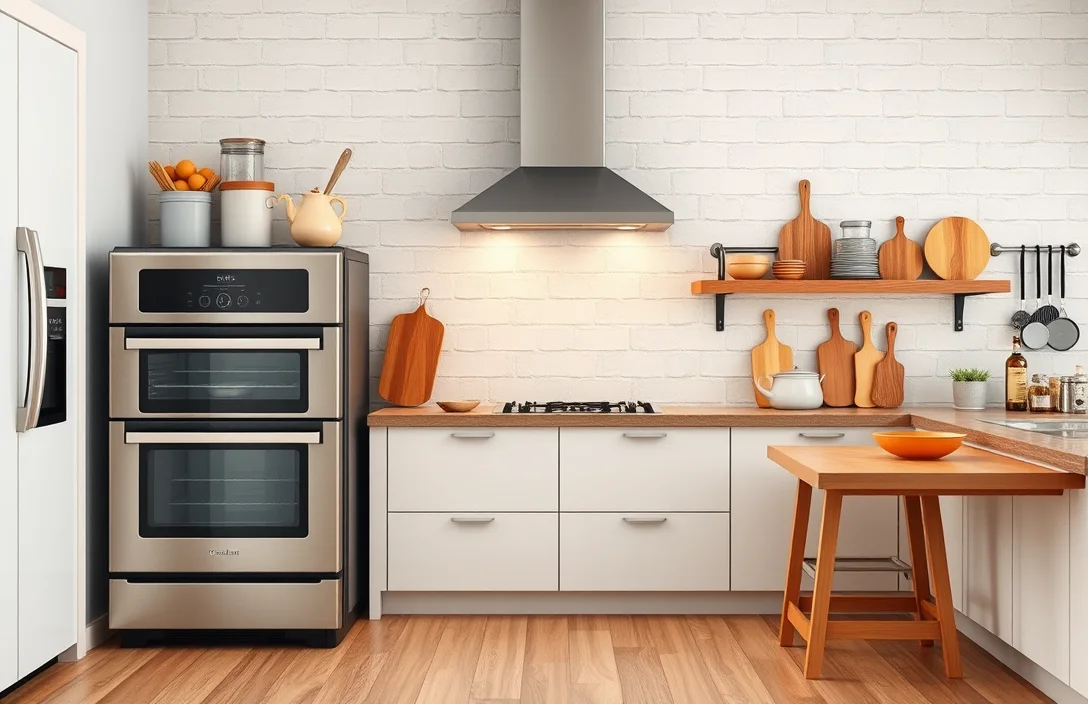
Seventy percent of home cooks express dissatisfaction with their oven choice, highlighting a crucial decision in kitchen design. Selecting the right oven can impact cooking efficiency, energy consumption, and meal quality. Understanding your needs ensures you don’t waste money on features you won’t use.
Features like size, fuel type, and additional functions matter significantly. Assess your cooking habits, kitchen space, and budget to make an informed choice. Consider energy efficiency ratings and warranty options for long-term satisfaction.
Understanding Oven Types and Their Uses
Electric ovens provide consistent heat, making them ideal for baking and roasting. Their temperature control allows for precise cooking, essential for delicate pastries and evenly baked bread. Many home chefs prefer electric models for their reliability and ease of use.
Gas ovens excel in providing instant heat, which is beneficial for tasks like searing meats and quick meal preparation. Cooks appreciate the ability to visually monitor flame levels and adjust them quickly, allowing for more immediate cooking responses.
Convection ovens feature a fan that circulates hot air, resulting in faster cooking times and even browning. These appliances are perfect for busy kitchens where efficiency is key. They also enhance the flavor of roasted vegetables and meats by promoting even cooking.
Steam ovens incorporate moisture into the cooking process, perfect for baking bread with a crisp crust or cooking vegetables while retaining their nutrients. Chefs value these for healthier meal preparation and innovative cooking techniques.
Wall ovens offer flexibility in kitchen design and can be installed at eye level for easy access. They come in various types, including electric and gas, catering to different cooking preferences. This design feature can make cooking more convenient and reduce strain.
Microwave ovens serve as versatile tools for reheating, defrosting, and even cooking certain dishes quickly. Though not a replacement for traditional ovens, they are invaluable for fast meal preparation and can complement other cooking methods effectively.
Evaluating Size and Capacity Needs
Determining oven size involves assessing your cooking habits. Consider how often you prepare meals, bake, or entertain guests. Understanding your unique cooking style will help you select a model that fits your needs, ensuring you have enough space for all your culinary creations.
- Measure available kitchen space. Verify the height, width, and depth of the area where the oven will reside. Ensure there is enough clearance for ventilation and any adjacent cabinetry.
- Evaluate your cooking frequency. Regular cooks might prefer larger ovens with multiple racks. Occasional bakers could opt for smaller, more compact models.
- Consider meal size requirements. If you frequently cook for large gatherings, select a model with a higher capacity. Smaller households may not need the same volume.
- Account for additional features. Some ovens offer convection settings or multiple cooking compartments. These options can enhance flexibility and cooking efficiency for diverse meal preparations.
- Reflect on storage needs. If space is limited, wall ovens or combination units may be ideal. Ensure the oven can be easily accessed without disrupting your kitchen workflow.
Considering Fuel Source Options
Electric ovens provide consistent heat, making them ideal for baking. They often feature precise temperature controls, ensuring even cooking. Maintenance is generally easier since they lack the complexity of gas lines. However, electric models may take longer to preheat and can lead to higher energy bills, especially in frequent use.
Gas ovens offer immediate heat, allowing for quick adjustments during cooking. They provide a more traditional cooking experience, preferred by many chefs for their ability to control flame intensity. Despite their advantages, gas ovens require proper ventilation and can be less efficient in terms of energy consumption over time.
Dual-fuel ovens combine the best of both worlds, featuring a gas cooktop and an electric oven. This setup provides superior cooking flexibility, allowing for precise baking and rapid heating. Nonetheless, dual-fuel options tend to be pricier and may require both gas and electric connections, complicating installation.
Exploring Key Features and Functions
Consider size and capacity first. Ovens come in various sizes, so ensure the model fits your kitchen space and cooking needs. Standard widths range from 24 to 30 inches, with larger models offering more interior space for cooking multiple dishes simultaneously. Evaluate your kitchen layout to avoid installation headaches.
Temperature accuracy plays a crucial role in cooking outcomes. Look for ovens with precise temperature controls, which ensure even baking and roasting. Models featuring digital displays and probe thermometers provide greater accuracy, allowing for consistent results across different recipes.
Cooking modes significantly enhance versatility. Explore options like convection, broil, and steam. Convection ovens circulate hot air, cooking food evenly and reducing cooking time. Steam functions can help retain moisture, making it ideal for baking bread and cooking vegetables.
Cleaning features simplify maintenance. Self-cleaning options use high heat to incinerate spills and stains, while steam cleaning utilizes water vapor for easier wipe-downs. Check for removable oven racks and smooth surfaces, which also contribute to hassle-free cleaning.
Energy-saving settings contribute to cost efficiency. Look for ovens equipped with eco-friendly modes or timers that allow you to turn off the appliance automatically after a certain period. Energy-efficient models reduce utility bills and help the environment.
Assessing Energy Efficiency Ratings
Reading energy efficiency ratings is crucial for understanding long-term costs. The most common rating system is the Energy Star label, which indicates that the appliance meets certain energy efficiency guidelines. Ovens with this label typically consume less energy while delivering optimal performance, ultimately saving you money on utility bills.
- Check the Energy Guide label. This label displays estimated annual operating costs based on average usage, helping you compare different models effectively.
- Evaluate the Energy Efficiency Ratio (EER). A higher EER means better efficiency, which translates to lower energy bills over time.
- Consider the type of oven. Electric ovens often have higher efficiency ratings compared to gas models, but your cooking habits will influence overall performance.
- Look for features that enhance efficiency. Self-cleaning functions, for example, can consume more energy but save you time and effort in maintenance.
- Calculate potential savings. Assess how much you will save on bills over the oven’s lifespan to determine its financial benefit.
Prioritizing energy efficiency can significantly impact your overall operating costs. Investing in a model with a strong energy rating not only benefits your wallet but also contributes to a more sustainable environment.
Comparing Brands and Their Offerings
Researching reputable brands simplifies the selection process significantly. Popular manufacturers often provide detailed specifications, warranties, and customer service support. Well-known brands in the oven market include KitchenAid, Whirlpool, and Bosch, each known for their unique features and reliability. Exploring reviews and feedback can help determine which brand aligns best with your cooking needs.
Evaluating features specific to each brand aids in making informed decisions. For instance, Bosch is renowned for its sleek designs and advanced technology, while Whirlpool focuses on user-friendly interfaces. KitchenAid often emphasizes durability and performance, making it a favorite among serious cooks. Assessing these characteristics can help narrow down options.
Investigating customer service and warranty options provides additional peace of mind. Brands with robust customer support and generous warranties indicate a commitment to quality. Checking online forums or consumer reports can reveal common issues and overall satisfaction levels among users. Prioritizing brands with positive reputations can enhance your ownership experience.
Analyzing energy efficiency ratings from different brands reveals important cost-saving potential. Some manufacturers emphasize eco-friendly features, translating to lower utility bills over time. Investigating these specifications can help you identify which options align with your sustainability goals while also fitting your budget.
Analyzing Price Range and Value
Budget constraints significantly affect oven selection. Determine your price range first to narrow down options effectively. Consider how often you cook and the types of meals you prepare. Investing in a higher-quality model may offer better durability and performance, ultimately saving money in the long run.
Features impact both cost and functionality. Basic models typically range from $300 to $600, while premium options can exceed $2,000. Evaluate essential features, such as convection cooking or self-cleaning functions, against your budget. Prioritize the aspects that contribute most to your cooking style and frequency.
Researching available discounts or promotions can yield significant savings. Retailers often offer seasonal sales or package deals, making it possible to acquire a high-quality oven at a lower price. Don’t hesitate to negotiate or ask about price matching if you find a better deal elsewhere.
Resale value matters for long-term investments. High-quality brands tend to retain their value better than lesser-known models. If you plan to upgrade in the future, consider models with a strong reputation for durability and performance.
Quick Summary
- Consider the type of oven: conventional, convection, or microwave, based on your cooking needs.
- Evaluate size and capacity to ensure it fits your kitchen space and cooking volume.
- Look for energy efficiency ratings to save on utility bills and reduce environmental impact.
- Check for essential features like self-cleaning, timers, and smart technology for convenience.
- Read reviews and ratings to gauge reliability and user satisfaction.
- Compare prices and warranties to find the best value for your budget.
- Consider your cooking style and preferences to choose the right features and functionalities.
Frequently Asked Questions
1. What types of ovens are available?
There are several types of ovens, including conventional, convection, and microwave ovens. Conventional ovens use radiant heat, while convection ovens circulate hot air for even cooking, and microwave ovens use electromagnetic waves for quick heating.
2. How do I determine the right size oven for my kitchen?
To find the right size oven, consider your kitchen space, cooking habits, and family size. Standard ovens are usually 30 inches wide, but if you have limited space or need a smaller model, there are compact options available.
3. What features should I look for in an oven?
Key features to consider include self-cleaning options, programmable settings, temperature probes, and energy efficiency ratings. Think about your cooking style and preferences to prioritize which features are most important for your needs.
4. Should I choose gas or electric ovens?
Gas ovens offer faster heating and more precise temperature control, while electric ovens tend to provide consistent baking results and are often easier to clean. Your choice may depend on your cooking style, budget, and available utility connections.
5. How much should I expect to spend on a quality oven?
The price of a quality oven can range from $500 to over $2,000, depending on the brand, type, and features. It’s essential to set a budget and consider long-term value, including energy efficiency and durability, rather than just the initial cost.
