
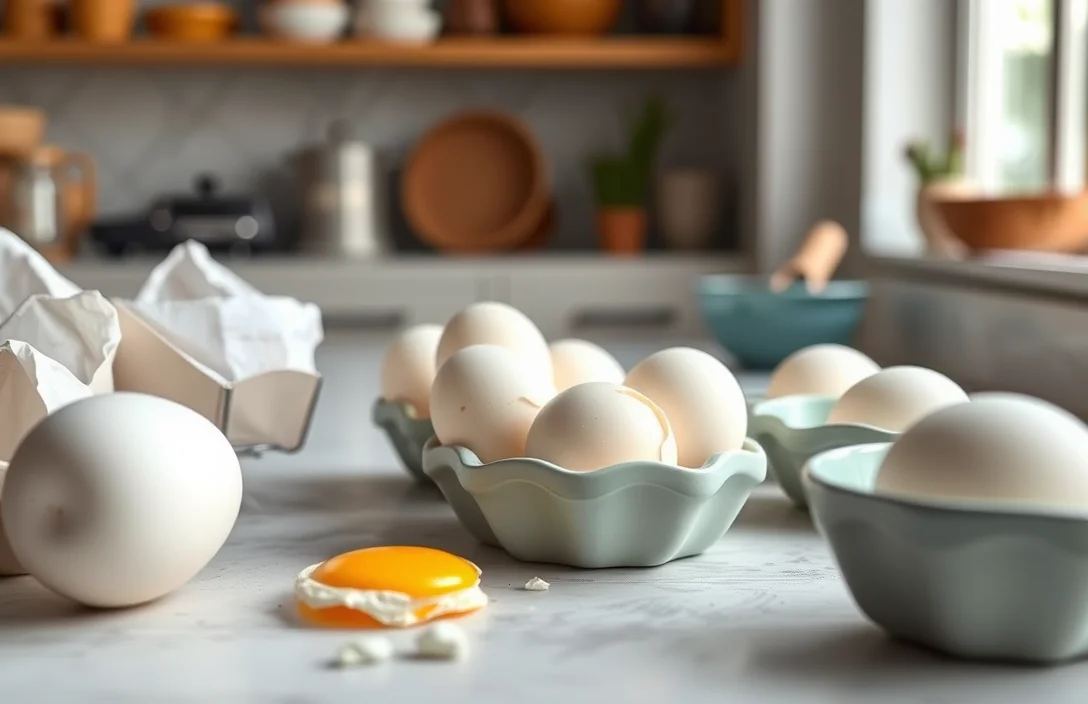
Surprisingly, eggs contain all nine essential amino acids, making them one of the most complete protein sources available. This versatility allows them to be used in countless recipes, from breakfast to baking, providing both nutrition and flavor in every dish.
Cooking eggs is simple: boil for hard or soft variations, scramble for creamy results, and fry for crispy edges. Explore poaching for a delicate texture or baking in casseroles for a hearty meal. Eggs can also thicken sauces and emulsify dressings.
Boiling Eggs Perfectly
Start with room temperature eggs. Cold eggs straight from the fridge can crack when placed in boiling water. Allow them to sit at room temperature for about 10-15 minutes before cooking for optimal results.
Bring a pot of water to a gentle boil. Use enough water to cover the eggs by at least an inch. Once boiling, reduce the heat to a simmer to prevent the eggs from bouncing and cracking against each other.
Carefully lower the eggs into the water using a slotted spoon. This method avoids splashing hot water and ensures a smooth entry into the pot. Always handle eggs gently to prevent breakage.
Set a timer for your desired doneness. For soft-boiled eggs, aim for 6-7 minutes; for medium, 8-9 minutes; and for hard-boiled, around 10-12 minutes. Adjust timing based on your stove and altitude for best results.
Prepare an ice bath while the eggs cook. Fill a bowl with ice and water to halt the cooking process quickly. Once the timer goes off, transfer the eggs immediately into the ice bath for about 5-10 minutes.
Crack and peel the eggs after cooling. Gently tap the egg against a hard surface, then roll it to break the shell. Start peeling from the wider end, where there’s often an air pocket, making it easier to remove the shell.
Scrambled Eggs Variations
Flavor enhancements transform scrambled eggs significantly. Start by incorporating ingredients like cheese, herbs, or spices into the mixture. Adding shredded cheese, such as cheddar or feta, creates a creamy texture and rich flavor. Fresh herbs like chives or parsley introduce brightness, while spices like paprika or cayenne add a kick.
Texture variations also elevate the dish. Whisking in a splash of milk or cream results in a creamier consistency. For a fluffier outcome, beat the eggs vigorously to incorporate air. Alternatively, cooking the eggs over low heat allows them to set gently, creating a soft, custardy texture.
Cooking methods offer additional creativity. Try baking scrambled eggs in a dish for a frittata-style result. Microwave scrambling is another quick method, perfect for a fast breakfast. Each technique can yield different textures and flavors, allowing for experimentation based on your preferences.
Serving suggestions enhance the overall experience. Pair scrambled eggs with toppings like avocado, salsa, or smoked salmon for added nutrition and taste. Serve alongside hearty bread or breakfast potatoes to create a more filling meal. By exploring various combinations, scrambled eggs become a versatile canvas for culinary creativity.
Making an Omelette
Crack three to four eggs into a bowl to start. Whisk them vigorously until the yolks and whites are fully combined, creating a uniform mixture. Season with a pinch of salt and pepper to enhance the flavor. This base is essential for a delicious omelette.
Heat a non-stick skillet over medium heat and add a tablespoon of butter or oil. Allow the fat to melt and coat the pan evenly. A properly heated skillet prevents sticking, ensuring a smooth cooking process.
Pour the egg mixture into the skillet, tilting the pan to spread it evenly. Let it cook undisturbed for about one to two minutes, until the edges begin to set. Gently lift the edges with a spatula, allowing uncooked eggs to flow underneath.
Fold the omelette in half once the bottom is set but the top remains slightly runny. This technique retains moisture and creates a soft texture. Cook for an additional minute until the inside is just cooked through, then slide it onto a plate.
Garnish with fresh herbs, cheese, or vegetables as desired. Personalizing your dish not only enhances the flavor but also adds visual appeal. Enjoy your freshly made omelette as a hearty breakfast or a satisfying meal at any time of the day.
Eggs in Baking Recipes
Incorporating eggs into baked goods provides structure and moisture. They act as binders, connecting ingredients like flour and sugar, ensuring that cakes and cookies hold together. Additionally, eggs help to create a rich texture, enhancing the overall mouthfeel of the final product.
Whipping egg whites can introduce air, resulting in light and fluffy meringues or soufflés. Begin by using room temperature egg whites for better volume. Ensure your mixing bowl is free from grease; any residue can prevent the whites from whipping properly.
Adding egg yolks enriches flavors and adds fat to recipes. They contribute to the creaminess of custards and sauces. For a richer taste, consider using extra yolks in recipes that call for whole eggs, especially in desserts like custards or ice creams.
Adjusting egg quantities can alter baked goods significantly. For denser cakes, use fewer eggs, while for fluffier cakes, increase the number. Experimenting with egg sizes can also yield different results; large eggs are typically standard, but adjusting for medium or extra-large can be beneficial.
Remember to measure eggs by weight if precision is crucial. A large egg typically weighs about 50 grams, including the shell. For recipes requiring accuracy, consider weighing eggs without the shell for best results, especially in professional baking contexts.
Poaching Eggs Tips
Precision matters when poaching eggs. Start by using a fresh egg, as this helps maintain the shape and prevents spreading in water. Crack the egg into a small bowl to avoid shell pieces and ensure a gentle transfer into the water.
Maintain a gentle simmer in the water, ideally around 180°F to 190°F. Adding a splash of vinegar can help the egg whites coagulate faster, resulting in a neater poached egg. Avoid boiling water, as vigorous bubbles can disrupt the egg’s form.
Use a slotted spoon to carefully lower the egg into the water. Allow it to cook for about 3 to 4 minutes for a runny yolk or longer for a firmer consistency. Timing is crucial to achieve your desired doneness.
After cooking, remove the egg with a slotted spoon and let it drain on a paper towel. Season with salt and pepper for added flavor, and serve immediately. Poached eggs are versatile and can enhance various dishes, from salads to toast.
Egg Safety and Storage
Keep eggs refrigerated at all times. Storing them at temperatures below 40°F (4°C) slows down bacterial growth, ensuring they remain fresh longer. Always place eggs in their original carton, as it protects them from absorbing strong odors and flavors from other foods in the fridge.
Monitor expiration dates closely. Freshness is crucial for quality and safety. Use eggs within three to five weeks from the date of purchase, and check for any cracks or unusual smells before cooking. If in doubt, perform the float test: fresh eggs sink, while old eggs float.
Labeling your eggs can be beneficial. Write the purchase date on the carton to keep track of freshness. Rotate older eggs to the front of the fridge for easy access, ensuring you use them before newer ones.
Discard any eggs that appear compromised. Cracks or leaks can allow bacteria to enter, posing health risks. If you notice any off-putting smells or unusual textures after cracking, it’s best to err on the side of caution and throw them away.
Fried Eggs Techniques
Crack eggs into a hot skillet for perfect fried eggs. Begin with a non-stick pan to prevent sticking and ensure even cooking. Heat the pan over medium heat and add butter or oil to enhance flavor and texture. Wait until the fat is shimmering before adding the eggs.
Cook eggs sunny-side up by leaving them undisturbed. Allow them to sizzle gently until the whites are set but the yolks remain runny. If desired, cover the skillet with a lid to cook the top of the whites without flipping. This method creates a tender and vibrant egg.
Flipping eggs results in over-easy or over-medium options. For this, gently slide a spatula under the egg and flip it carefully. Cook for another 30 seconds to achieve the desired doneness. Keep the heat moderate to avoid burning while ensuring the yolk stays intact.
Season eggs with salt and pepper immediately after cooking. Fresh herbs or spices can elevate the flavor profile. Experiment with toppings like cheese, avocado, or hot sauce to add depth and variety. Fried eggs serve as a versatile base for many breakfast dishes.
Egg-Based Sauces
Creating rich, creamy sauces with eggs adds depth to your meals. Classic sauces like hollandaise, mayonnaise, and aioli rely on the emulsifying properties of eggs. These sauces enhance dishes such as vegetables, meats, and sandwiches, making them versatile kitchen staples.
Begin with hollandaise by whisking egg yolks and lemon juice over gentle heat until thickened. Slowly drizzle in melted butter while continuing to whisk, ensuring a smooth, emulsified sauce. Season with salt and cayenne pepper for extra flavor.
Mayonnaise forms another staple, combining egg yolks, vinegar, and oil. Whisk these ingredients vigorously until emulsified, creating a thick and creamy texture. Add mustard or garlic for a personalized touch, adjusting to taste.
Consider aioli, a garlic-infused mayonnaise variation. Blend crushed garlic with egg yolks, then gradually whisk in olive oil for a robust flavor. This sauce pairs well with seafood and grilled meats, offering a Mediterranean flair.
Experimenting with flavors can elevate these sauces. Infuse them with herbs, spices, or citrus to complement your dishes. Each variation provides a new twist, enhancing your culinary repertoire with egg-based sauces.
Using Eggs in Salads
Boiled eggs enhance salads significantly. Start by cooking eggs until they’re hard-boiled, which usually takes about 10-12 minutes. Once cooked, cool them in ice water to stop the cooking process. Peeling is easier after chilling, making preparation quick and efficient.
Chopping eggs into small pieces adds protein and creaminess. Incorporate them into classic salads like potato, tuna, or chicken salad. This addition not only improves the texture but also boosts the nutritional value of the dish.
Mixing eggs with dressing elevates flavor profiles. Try mashing yolks with mayonnaise and mustard for a rich, tangy dressing perfect for egg, spinach, or pasta salads. This creates a delightful creaminess that binds ingredients together.
Garnishing salads with sliced or quartered hard-boiled eggs creates visual appeal. Sprinkling paprika or fresh herbs on top adds color and enhances flavor. This simple technique transforms a standard salad into an inviting dish.
Experiment with different egg styles. Poached eggs can be a luxurious addition, providing a runny yolk that acts as a natural dressing. This method works particularly well in salads featuring greens or roasted vegetables, making every bite enjoyable.
Nutritional Benefits of Eggs
Protein-packed, eggs offer a complete source of essential amino acids. Each egg contains about 6 grams of protein, making them an excellent choice for muscle repair and growth. Incorporating them into meals can significantly boost your protein intake without adding excessive calories.
Rich in vitamins, eggs provide several key nutrients. They are particularly high in Vitamin B12, which supports nerve function and red blood cell production. Additionally, Vitamin D in eggs aids in calcium absorption, promoting healthy bones.
Choline content in eggs promotes brain health. This nutrient plays a critical role in memory and cognitive function. Regularly consuming eggs can help meet the recommended daily intake of choline, benefiting overall brain performance.
Healthy fats found in eggs are essential for overall health. These fats help with nutrient absorption and provide a source of energy. Eggs contain omega-3 fatty acids, which are beneficial for heart health and reducing inflammation.
Low in carbohydrates, eggs are suitable for various dietary needs. They fit perfectly into low-carb and ketogenic diets, providing a filling option without spiking blood sugar levels. This makes them a smart choice for weight management and metabolic health.
Key Point 11: how to use eggs
Cooking eggs at the right temperature is crucial for achieving the desired texture. For soft scrambled eggs, keep the heat low and stir continuously. This method ensures a creamy consistency, avoiding the rubbery texture often caused by high heat. Aim for a gentle cook, removing them from the heat just before they’re fully set, as they will continue to cook slightly off the heat.
Baking with eggs enhances moisture and structure in various recipes. Cakes and cookies rely on eggs to create a light and fluffy texture. Incorporating eggs into batters helps bind ingredients and provides the necessary lift during baking. Always remember to beat eggs well before adding them to the mixture, ensuring even distribution throughout the batter.
Frying eggs requires attention to detail for the perfect outcome. Use a non-stick skillet to reduce sticking. For sunny-side-up eggs, cook until the whites are set but the yolk remains runny. For over-easy eggs, gently flip them after the whites are firm. Adjust the cooking time based on your preference for yolk doneness.
Poaching eggs involves simmering them in water for a delicate texture. Add a splash of vinegar to the water to help the egg white coagulate more quickly. Crack the egg into a small bowl before gently sliding it into the simmering water. Cook for about three to four minutes for a runny yolk, adjusting the time for firmer yolks.
Key Point 12: how to use eggs
Incorporating eggs into your meals enhances flavor and nutrition. Start by experimenting with various cooking techniques such as poaching, scrambling, or baking. Each method yields unique textures and tastes, making your dishes versatile and satisfying.
Whipping up an egg-based sauce can elevate any dish. For instance, a hollandaise adds richness to vegetables or seafood. Consider mastering classic sauces like aioli or mayonnaise, which require simple ingredients and techniques.
Creating egg-based dishes like frittatas or quiches allows for creativity. Use leftover vegetables, meats, or cheeses to craft a delicious meal. These dishes can easily serve as breakfast, lunch, or dinner options.
Incorporating eggs in desserts also offers delightful results. Custards, soufflés, and meringues showcase eggs’ versatility in sweet recipes. Mastering these techniques opens up a world of baking possibilities.
Experimenting with global egg dishes enriches your culinary repertoire. Explore shakshuka, egg curry, or Japanese tamagoyaki to add international flair to your cooking. Each dish tells a story and brings new flavors to your table.
Quick Summary
- Eggs are a versatile ingredient used in a variety of dishes, from breakfast to baking.
- Always store eggs in the refrigerator to maintain freshness and prevent spoilage.
- Check for freshness by performing the water test; fresh eggs sink, while older eggs float.
- Cooking methods for eggs include boiling, scrambling, frying, and baking.
- Eggs can be used as a binding agent in recipes, helping to hold ingredients together.
- Incorporate eggs into your diet for their high protein content and essential nutrients.
- Be mindful of food safety practices, including cooking eggs thoroughly to reduce the risk of salmonella.
Frequently Asked Questions
1. What are the different ways to cook eggs?
Eggs can be cooked in various ways including boiling, frying, scrambling, poaching, and baking. Each method offers a unique texture and flavor, allowing you to enjoy eggs in different styles depending on your preference.
2. How should I store eggs for maximum freshness?
To keep eggs fresh, store them in their original carton in the refrigerator. This helps to protect them from absorbing strong odors and flavors from other foods while maintaining their quality for longer periods.
3. How can I tell if an egg is still good to eat?
A simple freshness test involves placing the egg in a bowl of water. If it sinks and lays flat on the bottom, it’s fresh; if it stands upright or floats, it’s best to discard it.
4. What is the best way to beat eggs for recipes?
For most recipes, using a whisk or fork to beat eggs until the yolks and whites are fully combined is ideal. If you want a fluffier texture, beat them vigorously until they become frothy and slightly pale.
5. Can I use eggs that are past their expiration date?
While eggs can often be safe to eat after their expiration date, it’s important to perform the freshness test first. If they pass the test, they may still be good; however, always use caution and trust your senses for any off smells or unusual appearances.
