
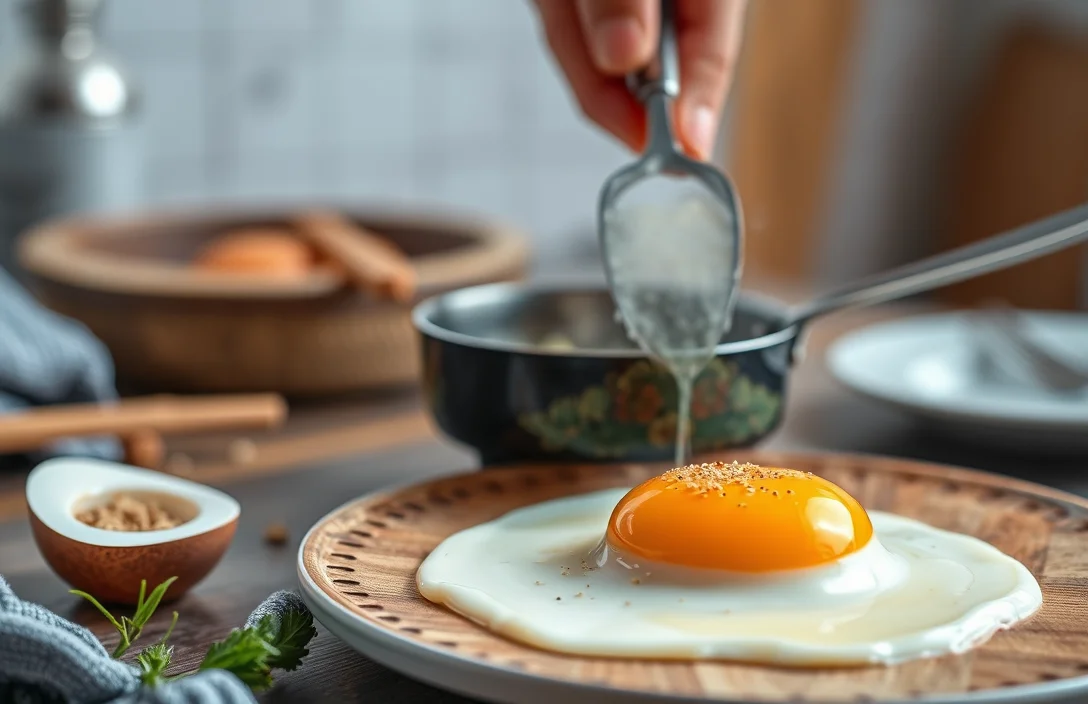
Seventy percent of people struggle with poaching eggs perfectly. This common kitchen task often leads to frustration, but mastering the technique can elevate your breakfast game significantly. With a few simple tricks, you can impress friends and family with your perfectly poached eggs.
Mastering this skill requires fresh eggs, gentle heat, and careful timing. Start by heating water to a simmer, add a splash of vinegar, and create a gentle whirlpool before adding the egg. Enjoy the delicious results!
Selecting Fresh Eggs for Poaching
Fresh eggs significantly improve poaching results. Quality affects the texture and appearance of the final product. Fresher eggs have firmer whites that hold together better during cooking, creating a more visually appealing and delicious dish.
- Check the sell-by date on the carton. Fresh eggs should be used within 3 to 5 weeks of this date for optimal quality.
- Perform the float test in water. Submerge the egg; if it sinks and lays flat, it’s fresh. If it stands upright or floats, discard it.
- Inspect the shell for cracks or imperfections. Intact shells indicate better preservation and less chance of contamination.
- Smell the egg before using. An off odor signifies spoilage, even if the shell appears intact.
- Consider buying from local farms. Freshly laid eggs often have superior quality compared to mass-produced options.
Choosing the right eggs lays the foundation for successfully poaching. Prioritize freshness to ensure delicious, silky results when preparing your dish.
Optimal Water Temperature for Poaching
Maintaining the right water temperature is crucial for successful poaching. Aim for a range of 160°F to 180°F (71°C to 82°C). This temperature allows the egg whites to set gently while keeping the yolk runny, creating the perfect poached egg.
- Monitor the water closely. Use a thermometer to check the temperature accurately. This tool ensures you remain within the ideal range throughout the cooking process.
- Adjust heat as necessary. If you notice bubbles rising vigorously, reduce the heat to maintain that gentle simmer. Rapid boiling can cause the eggs to break apart.
- Cover the pot briefly. Placing a lid on the pot can help stabilize the temperature. Just remember to remove it after a minute to avoid excessive steam.
- Use a large pot. A wider surface area allows for better heat distribution. This helps keep the water temperature consistent while poaching multiple eggs.
- Test with a drop of egg. If you’re unsure, crack an egg into a small bowl and gently slide it into the water. Observe how it behaves; it should hold its shape without spreading too much.
Incorporating Vinegar for Perfect Whites
Adding vinegar enhances egg whites effectively. The acid in vinegar helps coagulate the proteins in the whites, resulting in a neater poach. Use about one tablespoon of white vinegar per quart of water. This small addition can significantly improve the structure of your eggs while poaching.
Choosing the right vinegar matters. White vinegar is commonly recommended due to its neutral flavor profile. Avoid using flavored or dark vinegars, as they may impart undesirable tastes or colors to the eggs. Stick to the basics for the best results.
Measuring accurately ensures consistency. If you prefer a stronger taste, you can slightly increase the amount of vinegar, but moderation is key. Too much acidity may affect the flavor of the egg, so start with the standard ratio and adjust as needed.
Testing different types of vinegar may yield interesting results. While white vinegar is a popular choice, experimenting with apple cider vinegar can add a subtle sweetness. Each vinegar type has unique properties, so feel free to explore what works best for your personal preference.
Remember that vinegar’s benefits extend beyond appearance. Besides creating tighter whites, it can also help prevent the egg from breaking apart in the water. This ensures a beautiful presentation for your poached eggs, impressing guests or elevating your everyday meals.
Exploring Various Poaching Techniques
Steaming offers a unique method for poaching eggs that results in tender whites and a runny yolk. For this technique, fill a pot with water, bringing it to a gentle simmer. Place a heatproof dish or a steamer basket above the water, ensuring it doesn’t touch the liquid. Crack the egg into the dish and cover it. Steam for about 4-6 minutes until done.
An alternative involves using a microwave, which can save time. Fill a microwave-safe bowl with water and gently add the egg. Cover the bowl with a plate to trap steam. Microwave on high for about 30-60 seconds, checking frequently to avoid overcooking. This method is quick and efficient for a single serving.
Using a sous vide machine provides precise temperature control for perfect poached eggs. Set the sous vide to 167°F (75°C). Place the egg in its shell directly into the water bath for about 13 minutes. The result is an incredibly silky texture that can elevate your breakfast dishes.
Incorporating a non-stick skillet can also simplify the process. Heat the skillet with a small amount of water, ensuring it’s just enough to cover the base. Crack the egg into the skillet and cover it with a lid. Cook for approximately 4 minutes, allowing the steam to help cook the egg evenly.
Utilizing a Slotted Spoon for Poaching
Handling poached eggs requires precision, and a slotted spoon is an essential tool. This utensil allows for easy lifting and draining of eggs while minimizing splatter. By using a slotted spoon, you maintain the integrity of the delicate egg whites and yolks, ensuring a flawless presentation.
- Choose the right size spoon. Select a slotted spoon with a wide enough surface area to cradle the egg without breaking it. Make sure the slots are adequately sized for draining excess water.
- Submerge the spoon in water. Lower the slotted spoon into the poaching liquid before lifting the egg. This step helps prevent the egg from sticking to the spoon.
- Gently lower the egg. After poaching, carefully slide the egg onto the slotted spoon. Avoid dropping the egg, as this can disrupt its shape.
- Drain excess water. Hold the spoon over a plate or bowl to allow the water to drip off. Gently shake the spoon to remove any additional moisture.
- Transfer to a serving dish. Place the drained egg onto your chosen dish, ensuring it remains intact for the perfect poached egg experience.
Timing Tips for Ideal Poached Eggs
Mastering timing is crucial for achieving perfectly poached eggs. Start by bringing the water to a gentle simmer before adding the egg. Aim for a temperature around 180°F (82°C) to 190°F (88°C). This range ensures that the egg whites envelop the yolk without overcooking.
Monitor the clock carefully. Cooking should take between 3 to 4 minutes for a runny yolk, while 5 to 6 minutes yields a firmer yolk. Use a timer to avoid distractions that could lead to overcooking.
Adjust cooking time based on egg size and freshness. Fresh eggs hold their shape better and may require slightly less time. Larger eggs might need an extra minute for optimal consistency.
Check for doneness with a gentle poke. The whites should be set, while the yolk remains soft to the touch. If you prefer a firmer yolk, extend the cooking time slightly, but keep an eye on the egg to avoid losing that perfect texture.
Serving Ideas and Flavor Pairings
Poached eggs shine when paired with a variety of accompaniments. Classic combinations include toast, avocado, and a sprinkle of salt and pepper. For a heartier meal, serve them over sautéed greens or grains like quinoa or farro, enhancing both flavor and nutrition.
Experimenting with sauces can elevate your dish. Hollandaise sauce is a traditional favorite, but consider alternatives like pesto or a spicy sriracha drizzle. These add depth and complexity, transforming simple poached eggs into a gourmet experience.
Incorporating fresh herbs elevates the presentation and flavor. Chopped chives, dill, or parsley can be sprinkled on top for a burst of freshness. Combining these garnishes not only enhances taste but also adds a vibrant color contrast.
Serving poached eggs alongside proteins can create a balanced meal. Crispy bacon or smoked salmon pairs well, providing richness that complements the egg’s delicate texture. These combinations make for satisfying breakfasts or brunches.
Offering poached eggs in a salad adds a delightful twist. Incorporate them over mixed greens with roasted vegetables and a light vinaigrette. This combination brings together textures and flavors, making for a refreshing and nutritious option.
Quick Summary
- Use fresh eggs for the best results when poaching.
- Bring water to a gentle simmer, not a rolling boil, to prevent the egg from breaking.
- Add a splash of vinegar to the water to help the egg whites coagulate faster.
- Create a gentle whirlpool in the water to help the egg white wrap around the yolk.
- Cook the egg for about 3-4 minutes for a runny yolk, or longer for a firmer yolk.
- Use a slotted spoon to remove the poached egg and drain any excess water.
- Serve immediately on toast, salads, or as desired for a delicious meal.
Frequently Asked Questions
What is the best method to poach an egg?
The best method to poach an egg involves simmering water with a splash of vinegar. Create a gentle whirlpool in the water and gently slide the cracked egg into the center, allowing it to cook for about 3-4 minutes until the whites are set but the yolk remains runny.
How do I know when the egg is done?
A perfectly poached egg should have firm whites and a soft, runny yolk. You can gently touch the egg with a spoon; if it feels slightly firm and jiggles, it’s likely ready. You can also use a timer for consistency.
Do I need to add vinegar when poaching eggs?
Adding vinegar helps the egg whites coagulate more quickly, resulting in a neater poached egg. While it’s not strictly necessary, it can improve the final appearance and texture of the egg.
Can I poach multiple eggs at once?
Yes, you can poach multiple eggs at once, but ensure there’s enough space in the pot to prevent them from sticking together. It’s best to poach them in batches if you’re new to the technique or if your pot is small.
What should I serve poached eggs with?
Poached eggs are versatile and can be served on toast, salads, or as part of a breakfast dish. Popular pairings include avocado toast, Eggs Benedict, or simply with a sprinkle of salt and pepper for a lighter option.
