
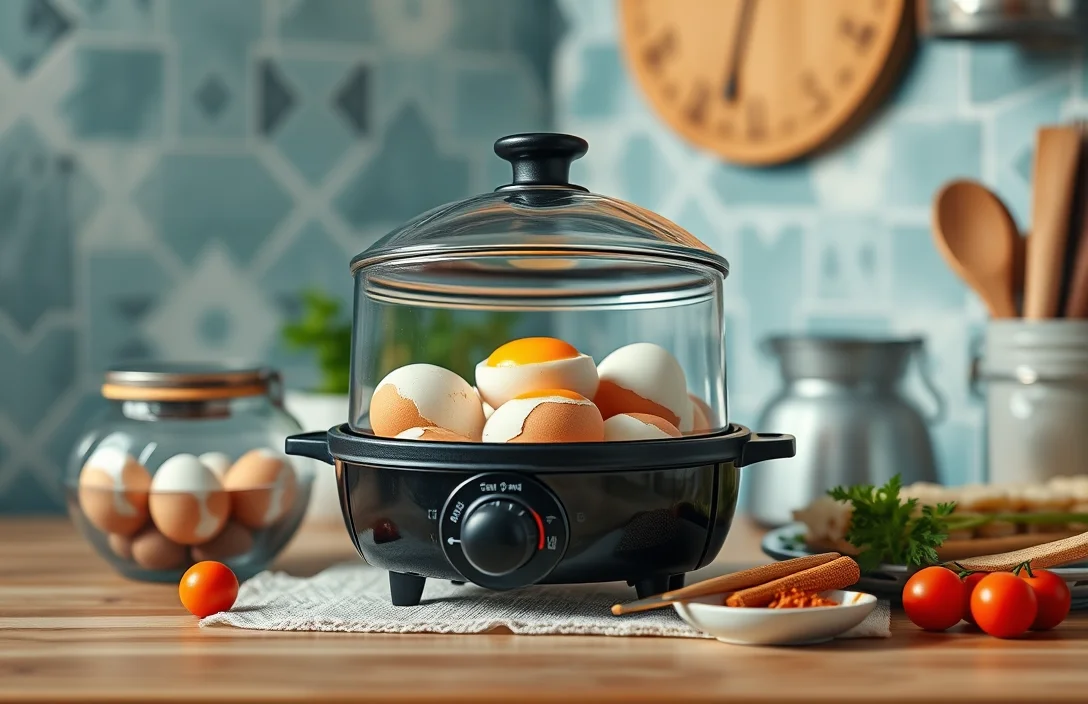
Surprisingly, an egg cooker can prepare perfectly cooked eggs in just about 12 minutes. This appliance simplifies breakfast and meal prep, ensuring you get consistent results every time. Learning to use it effectively can save you time and enhance your culinary skills.
Mastering an egg cooker involves measuring water accurately, choosing the right settings, and timing your eggs correctly. Following these steps will help you achieve hard, medium, or soft-boiled eggs with ease.
Understanding Types of Egg Cookers
Electric egg cookers offer convenience and speed, making them popular for busy individuals. These devices typically feature a steaming tray, allowing you to cook multiple eggs at once with precision. Models vary in capacity, from small units for one or two eggs to larger ones that can handle a dozen.
Stovetop egg cookers, often made from stainless steel or aluminum, require a bit more hands-on effort. Water is boiled in a pot, and the eggs are placed in a designated insert. This method allows for traditional cooking, and many find it to yield excellent flavor and texture.
Microwave egg cookers provide a quick alternative, designed for rapid cooking in your microwave. With specific containers, you can poach or scramble eggs in minutes. These gadgets are perfect for those who need a fast breakfast option without the fuss of traditional cooking.
Silicone egg molds also serve a unique purpose. Placed in a pot of boiling water, they allow you to create poached or steamed eggs effortlessly. Their flexibility makes cleanup simple, and they come in various shapes for fun presentations.
Choosing the right egg cooker ultimately depends on your cooking style and preferences. Each type brings its own advantages, catering to different needs, whether you prioritize speed, flavor, or ease of use. Familiarizing yourself with these options will streamline your cooking process and enhance your breakfast routine.
Setting Up Your Egg Cooker
Follow these essential steps to prepare your egg cooker for use. Proper setup ensures optimal performance and consistent results. Ensure that you’re familiar with the components of your device before starting.
- Unpack your egg cooker completely. Remove all packaging materials, including plastic and foam inserts. Check that all parts are present, such as the base, egg tray, measuring cup, and lid.
- Inspect each component carefully. Look for any signs of damage or defects. If any parts appear broken or missing, consult the manufacturer for replacements or returns.
- Place the egg cooker on a flat, stable surface. Ensure there is enough space around the device for airflow and easy access. Avoid locations near heat sources or wet areas.
- Plug in the egg cooker. Make sure to use an appropriate electrical outlet. Avoid using extension cords to ensure safety during operation.
- Familiarize yourself with the user manual. Read through the instructions provided by the manufacturer. Understanding the specific features and functions will enhance your cooking experience.
Guidelines for Water Measurement
Accurate water measurement ensures perfect eggs every time. Follow these steps to determine the right amount of water for your egg cooker, setting the stage for flawless results.
- Identify the cooking method you prefer. For soft-boiled eggs, less water is required, while hard-boiled eggs need more to generate steam.
- Consult the measuring cup provided with your cooker. Most models come with a specific cup designed to measure the correct water quantity for various doneness levels.
- Fill the measuring cup to the designated line. This line typically indicates how much water is necessary based on the number of eggs you are cooking.
- Adjust the water level as needed. If cooking at high altitudes or in different humidity levels, slight modifications may be necessary for optimal results.
- Pour the measured water into the designated reservoir. Ensure that the water is placed in the correct spot to avoid any cooking mishaps.
Following these steps guarantees properly cooked eggs, enhancing your breakfast experience. Mastering water measurement is essential for achieving the desired texture and doneness.
Cooking Times for Different Egg Styles
Soft boiled eggs require precise timing for optimal texture. Set your egg cooker for about 4-6 minutes depending on how runny you prefer the yolk. This timing results in a tender white with a creamy yolk, perfect for enjoying with toast or in a salad.
Hard boiled eggs demand a slightly longer cook time. Aim for about 9-12 minutes in your cooker. This duration ensures the egg whites are firm and the yolks are fully cooked without any greenish tinge, indicating that they are overcooked.
Variations in cooking times can occur based on the size and starting temperature of the eggs. For room temperature eggs, lean towards the lower end of the time range. Cold eggs straight from the fridge may need an extra minute or two for perfect results.
Testing for doneness can enhance your cooking experience. If unsure, try cooking one egg at a time until you find the perfect consistency for your taste. Keeping a timer handy will help ensure consistent results each time you use this tool.
Cleaning and Maintaining Your Cooker
Regular cleaning ensures optimal performance. After each use, unplug the cooker and allow it to cool. Remove any leftover water from the reservoir and wipe down the exterior with a damp cloth. This simple step helps prevent residue buildup, ensuring your tool remains in excellent condition for future cooking sessions.
Remove detachable parts for thorough cleaning. Most egg cookers feature a removable tray and lid, which can usually be washed in warm, soapy water. Ensure all components dry completely before reassembling them. This practice minimizes the risk of mold growth and keeps your appliance hygienic.
Avoid abrasive cleaners that can damage surfaces. Stick to mild dish soap and soft sponges to clean your egg cooker. Harsh chemicals may ruin the finish or affect the functionality of the unit. Protect your investment by using appropriate cleaning materials.
Inspect electrical components for wear. Regularly check the power cord and plug for any signs of fraying or damage. If issues arise, discontinue use immediately and consult the manufacturer for repairs or replacements. Safety should always be a priority.
Store your cooker properly to prolong its lifespan. Keep it in a dry, cool location away from direct sunlight. Avoid stacking heavy items on top of it, which can lead to scratches or dents. Proper storage can significantly extend the life of this handy kitchen tool.
Troubleshooting Common Issues
Eggs not cooked to preference? Adjusting cooking time often resolves this issue. Use the provided measuring cup to ensure proper water levels according to your desired doneness, whether soft, medium, or hard-boiled. Overcooking or undercooking can easily occur if measurements are inaccurate.
Steam escaping during cooking? Ensure the lid is securely placed on the cooker before starting. A loose lid can lead to steam loss, causing uneven cooking. Tightening the lid will help maintain the necessary temperature and pressure for optimal results.
Water not boiling? Inspect the heating element for any obstructions or residue buildup. Cleaning the cooker can help restore functionality. If the issue persists, check the power source to ensure the device is receiving adequate electricity.
Eggs cracking during cooking? Poking a small hole in the larger end of each egg can prevent cracking. This technique allows steam to escape, reducing pressure buildup inside the egg. Use a pin or specialized egg piercer for best results.
Cooked eggs difficult to peel? Cooling eggs immediately in an ice bath after cooking can make peeling easier. The temperature shock helps separate the membrane from the shell, resulting in cleaner peels and a more visually appealing presentation.
Safety Tips for Egg Cooker Use
Ensure proper ventilation while cooking. Placing your egg cooker in a well-ventilated area prevents overheating and allows steam to escape safely. Avoid using it near flammable materials or surfaces that could be damaged by heat. Proper placement contributes to a safe cooking environment.
Monitor the cooking process closely. Keeping an eye on your egg cooker while it operates helps you avoid overcooking or potential malfunctions. If you notice unusual sounds or smells, turn it off immediately. Quick action can prevent accidents and ensure safety.
Handle hot components with care. Egg cookers often become hot during use, especially the lid and water reservoir. Use oven mitts or heat-resistant gloves when touching these parts after cooking. This precaution minimizes the risk of burns and injuries.
Follow manufacturer instructions precisely. Each egg cooker model has specific guidelines for safe operation. Reading the manual provides essential information about water levels, cooking times, and safety features. Adhering to these recommendations ensures optimal performance and safety.
Unplug after use consistently. Disconnecting the appliance from the power source prevents any accidental activation and reduces the risk of electrical hazards. Make it a habit to unplug immediately after cooking to enhance safety in your kitchen.
Quick Summary
- Fill the water reservoir according to the desired level of doneness.
- Place eggs in the egg holder, ensuring they are not overcrowded.
- Cover the egg cooker with the lid securely before starting.
- Plug in the egg cooker and turn it on to begin cooking.
- Listen for the timer or indicator that signals the cooking is complete.
- Carefully remove the eggs and place them in cold water to stop cooking.
- Peel and enjoy your perfectly cooked eggs once cooled.
Frequently Asked Questions
How do I use an egg cooker?
To use an egg cooker, simply add the desired amount of water to the measuring cup, depending on how you want your eggs cooked (soft, medium, or hard). Place the eggs in the designated tray, cover the cooker, and turn it on. It will automatically shut off when the eggs are done.
Can I cook other foods in an egg cooker?
Yes, many egg cookers are versatile and can also steam vegetables, seafood, or even heat up small dumplings. Always check your specific model’s instructions for compatibility with other foods and cooking times.
How do I clean my egg cooker?
After the egg cooker has cooled down, you can wipe the exterior with a damp cloth. For the interior, you can use a soft sponge with mild soap to clean the egg tray and lid; make sure to avoid abrasive cleaners that may scratch the surface.
How long does it take to cook eggs in an egg cooker?
The cooking time typically ranges from 6 to 12 minutes, depending on the desired doneness of the eggs and the model of your egg cooker. Refer to the user manual for specific timing guidelines and adjust based on your preferences.
Is it safe to leave the egg cooker unattended while it’s cooking?
It is generally safe to leave the egg cooker unattended since most models have an automatic shut-off feature that activates when cooking is complete. However, it’s always good practice to stay nearby, especially if you’re using it for the first time.
