
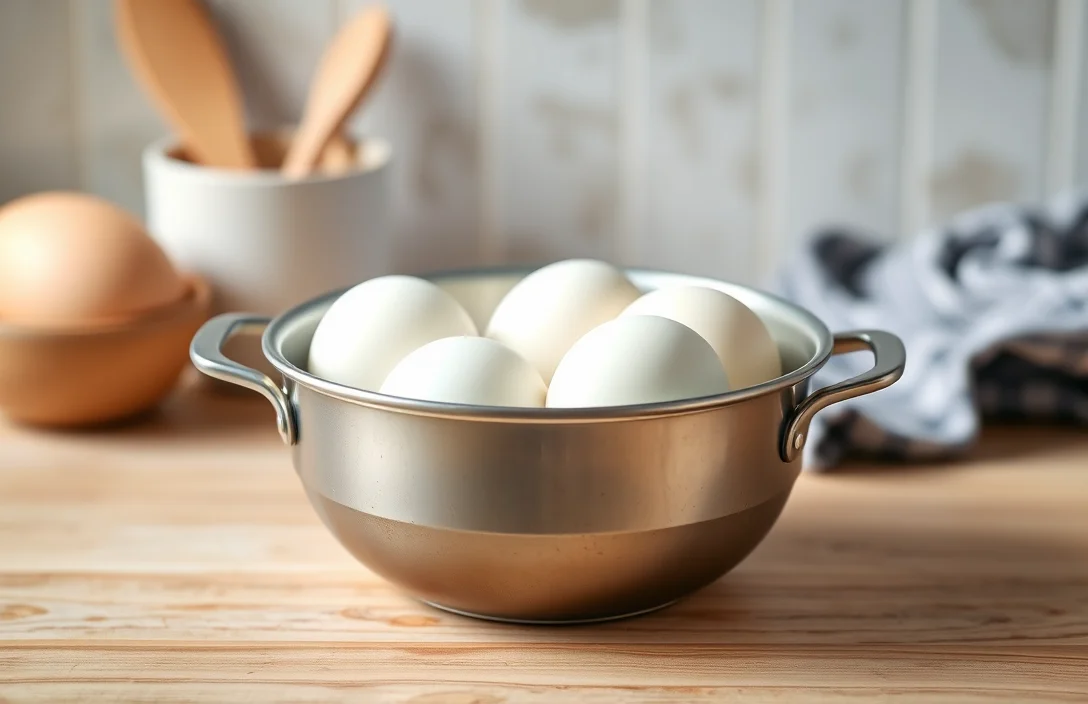
Perfectly boiled eggs are not just a delicious treat; they can elevate any meal. Achieving that ideal yolk consistency and tender whites is easier than you think. With the right techniques, you can impress friends and family with minimal effort.
Master timing, ensure freshness, and avoid common mistakes to boil eggs like a pro. Follow these straightforward steps to achieve eggs that are just right for your culinary creations.
Selecting Fresh Eggs for Boiling
Fresh eggs make a significant difference in achieving the perfect boiled egg. Look for eggs that have a clean, uncracked shell. Check the sell-by date on the carton; fresher eggs yield better results. A fresh egg will sink in water, while an older egg will float due to air cell expansion. Always opt for eggs that feel heavy, indicating more moisture inside.
Inspecting the shell is crucial for quality. A matte finish generally indicates freshness, while a shiny surface may suggest older eggs. If possible, purchase eggs from local farms or markets, as they often provide fresher options compared to store-bought. Consider organic or free-range eggs for improved flavor and quality.
Storing eggs properly enhances their longevity. Keep them in the original carton in the coldest part of your refrigerator, which helps maintain optimum freshness. Avoid washing eggs before storing, as this can remove protective coatings. Making these small adjustments will elevate your boiling technique and lead to eggs that are consistently delightful.
Timing for Desired Yolk Consistency
Perfectly boiled eggs require precise timing based on your yolk preference. For soft yolks, a cooking time of 6 to 7 minutes delivers a creamy center. Medium yolks become fully set at 8 to 9 minutes, offering a slightly firmer texture while remaining tender. Hard yolks, ideal for salads or deviled eggs, take 10 to 12 minutes to achieve a fully cooked consistency.
Begin timing once the water reaches a rolling boil. Adjustments may be necessary based on egg size and starting temperature. Larger eggs might need an extra minute, while smaller ones could cook faster. Consider using a timer to ensure accuracy and avoid overcooking.
Room-temperature eggs will cook evenly, while cold eggs from the fridge may require additional time. If you prefer a more custardy yolk without the risk of undercooking, aim for the lower end of the soft yolk timing. Experimentation will help you find your ideal boiling time for perfect eggs.
Adjusting Temperature for Perfect Cooking
Managing water temperature is crucial for achieving perfectly boiled eggs. Start with cold water, as this will allow the eggs to warm gradually, preventing cracking. Once the water reaches a rolling boil, you need to adjust the heat to maintain a gentle simmer. Here’s how to do it effectively:
- Begin with cold water: Fill your pot with enough cold water to cover the eggs by about an inch.
- Heat to a boil: Place the pot on high heat and wait until the water reaches a rolling boil.
- Reduce heat: Once boiling, lower the heat to medium-low to maintain a gentle simmer, avoiding a vigorous boil that can jostle the eggs.
- Monitor temperature: Keep an eye on the water, ensuring it bubbles softly throughout the cooking process.
- Adjust as needed: If the water begins to boil too hard, reduce the heat further to keep it stable.
Maintaining the correct water temperature ensures even cooking and helps you achieve the desired yolk consistency without the risk of overcooking. Remember, patience is key!
Ideal Water-to-Egg Ratio Explained
Water should cover eggs completely. A general rule is to use about 1 inch of water above the eggs in your pot. This ensures even cooking and prevents them from bouncing around, which can cause cracks during boiling. Adjust the water level if you’re cooking more or fewer eggs, maintaining that 1-inch coverage.
Experimenting with different pot sizes can help identify the right water-to-egg ratio for your kitchen. A smaller pot may require less water, while a larger one might need more. Always aim for adequate coverage to achieve perfectly cooked eggs without any unwanted surprises.
Measuring accurately can significantly impact the cooking process. If you notice that your eggs are consistently undercooked or overcooked, adjust the water level accordingly. Remember, maintaining the right ratio is essential for achieving the desired doneness in your boiled eggs.
Using Ice Baths for Easy Peeling
Creating an ice bath is essential for easy peeling after boiling eggs. This method stops the cooking process immediately, resulting in tender whites and vibrant yolks. Follow these simple steps to prepare an effective ice bath that will help you achieve perfectly cooked eggs.
- Fill a large bowl with cold water. Ensure there’s enough water to submerge all the eggs comfortably.
- Add ice cubes to the water. Aim for a 1:1 ratio of ice to water, creating a chilling environment that cools the eggs quickly.
- Once the eggs finish boiling, transfer them directly into the ice bath. Allow them to sit for at least 5-10 minutes to cool completely.
- After cooling, gently tap each egg on a hard surface. This helps crack the shell, making peeling easier.
- Peel the eggs under running water if needed. The water helps separate the shell from the egg white, preventing any tearing.
Implementing this technique consistently will enhance your egg boiling skills, making it easier to impress friends and family with your culinary creations.
Avoiding Common Boiling Mistakes
Timing mistakes often ruin boiled eggs. Overcooking leads to rubbery whites and chalky yolks. Aim for precise timing based on your desired doneness. For soft-boiled eggs, try 6 to 7 minutes, while hard-boiled eggs need about 9 to 12 minutes. Using a timer helps achieve consistency each time.
- Freshness impacts boiling results. Older eggs are easier to peel but may not yield the perfect texture. Purchase eggs from a reliable source and check expiration dates to ensure quality.
- Temperature variations affect cooking. Start with cold eggs for even cooking, and avoid adding them directly to boiling water. Instead, let them warm up slightly at room temperature for 10-15 minutes before boiling.
- Water levels matter significantly. Ensure eggs are fully submerged in water for uniform cooking. Add more water if necessary, and avoid overcrowding the pot to prevent uneven heat distribution.
- Covering the pot can trap heat. Keeping a lid on while boiling helps maintain a consistent temperature, leading to better results. Just be careful when removing the lid, as steam can escape rapidly.
Preventing these common mistakes allows you to master your boiling technique. With practice, you’ll achieve the perfect egg every time, impressing friends and family alike.
Storing Boiled Eggs Properly
Boiled eggs should be stored correctly to maintain freshness. Place them in a covered container in the refrigerator. This method protects them from absorbing strong odors and prevents spoilage. Ideally, consume boiled eggs within one week for the best flavor and quality.
Labeling is helpful for organization. Mark the container with the date you boiled them. This simple action allows you to keep track of freshness and ensures you enjoy them at their best. Remember, the longer they sit, the more the texture diminishes.
Peeling them before storage can lead to quicker spoilage. If you prefer convenience, consider only peeling eggs you plan to eat right away. Leaving the shells on extends their shelf life and preserves moisture. It also keeps them intact and ready for snacking or meal prep.
Inspect boiled eggs if unsure about freshness. A quick sniff or checking for unusual discoloration can help you decide if they’re still good to eat. Trust your senses; if something seems off, it’s better to err on the side of caution.
Nutritional Benefits of Boiled Eggs
Boiled eggs serve as a nutritious addition to your diet, providing essential vitamins and minerals. Rich in protein, they support muscle health and repair. Including these eggs regularly can enhance overall well-being due to their various nutrients.
Protein content helps build and maintain muscle, making it a popular choice among athletes and fitness enthusiasts. Major vitamins found in boiled eggs include:
- Vitamin A: Supports vision and immune function.
- Vitamin D: Aids in calcium absorption for healthy bones.
- Vitamin B12: Crucial for nerve function and red blood cell production.
Minerals such as iron and selenium contribute to energy levels and antioxidant protection. Eating boiled eggs can also help regulate weight due to their satiating properties, keeping you fuller for longer.
Incorporating boiled eggs into your meals can improve overall nutrition. Experiment with different ways to serve them, such as salads or sandwiches, to enjoy their benefits easily.
Quick Summary
- Start with eggs at room temperature for even cooking.
- Place eggs in a single layer in a pot and cover with cold water.
- Bring the water to a rolling boil, then cover and remove from heat.
- Let the eggs sit for 9-12 minutes depending on desired doneness.
- Transfer eggs to an ice bath immediately to stop cooking.
- Peel under running water for easier shell removal.
- Store any leftovers in the refrigerator for up to one week.
Frequently Asked Questions
1. How do I know if my eggs are fresh?
To check if your eggs are fresh, place them in a bowl of water. Fresh eggs will sink and lay flat on the bottom, while older eggs will stand upright or float, indicating they are no longer good to eat.
2. What is the best method for boiling eggs?
Start by placing your eggs in a pot and covering them with cold water by about an inch. Bring the water to a boil over medium heat, then cover the pot, remove it from the heat, and let it sit for about 9-12 minutes, depending on your desired doneness.
3. How can I prevent my eggs from cracking while boiling?
To prevent cracking, allow your eggs to come to room temperature before boiling. You can also add a teaspoon of vinegar or salt to the water, which can help strengthen the eggshells during cooking.
4. How do I peel hard-boiled eggs easily?
Peeling hard-boiled eggs can be tricky, but using eggs that are a few days old can help. After boiling, place the eggs in an ice bath for a few minutes to cool them quickly, which can make the shells easier to remove.
5. How long should I boil eggs for different doneness levels?
For soft-boiled eggs, cook for about 6-7 minutes; for medium, aim for 8-9 minutes, and for hard-boiled eggs, let them sit for 10-12 minutes. Adjust the timing slightly based on the size of the eggs and your altitude for best results.
