
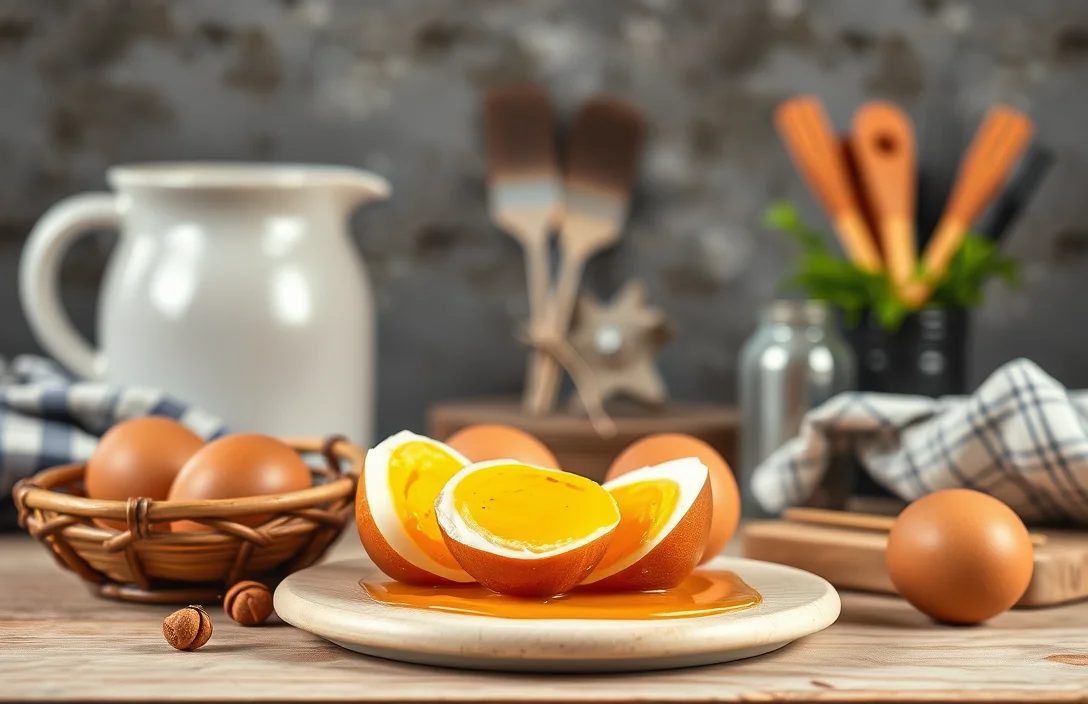
Seventy percent of people boil eggs incorrectly, leading to undercooked or overcooked results. Mastering the proper technique ensures perfectly boiled eggs every time, whether you prefer them soft or hard. Knowing the right approach can elevate your culinary skills significantly.
Start by placing eggs in cold water, then bring to a boil. Once boiling, cover and remove from heat. Let sit for 9-12 minutes based on desired doneness. Finally, shock in ice water for easy peeling.
Choosing the Right Egg Size and Type
Egg size significantly affects boiling outcomes. Larger eggs require adjustments in cooking time due to their thicker shells and larger volumes. Medium eggs generally boil faster, while extra-large ones might take longer. Choose a size that matches your recipe or personal preference to achieve optimal results.
- Opt for fresh eggs. Freshness impacts the boiling process, affecting both texture and flavor. Older eggs may be harder to peel.
- Consider egg type. Organic, free-range, and conventional varieties each offer unique flavors. Experiment with different types to find your favorite.
- Evaluate size options. Standard sizes include small, medium, large, and extra-large. Each size has specific boiling characteristics, so select based on your needs.
- Store eggs properly. Refrigeration is essential for maintaining freshness. Ensure your eggs remain in their carton to prevent absorption of odors from other foods.
Boiling eggs perfectly starts with selecting the right size and type. Prioritize freshness and consider your preferences to ensure delightful results every time.
Determining Optimal Boiling Time
Start by selecting the desired doneness. Adjusting boiling time allows you to achieve soft, medium, or hard-boiled eggs. Each level of doneness requires a specific cooking duration. Knowing these times is crucial for perfect results.
- Soft-boiled eggs need about 4 to 6 minutes. This timing yields a runny yolk, ideal for dipping toast.
- Medium-boiled eggs require roughly 7 to 9 minutes. The yolk will be partially set but still creamy.
- Hard-boiled eggs should be cooked for 10 to 12 minutes. This duration ensures the yolk is fully cooked and firm.
- Monitor the eggs closely during the boiling process. Using a timer helps maintain accuracy and prevents overcooking.
Adjustments may be necessary based on egg size and starting temperature. Room temperature eggs typically require less time than cold eggs straight from the fridge. Experimentation will help you find the perfect timing for your preferences.
Setting Water Temperature for Boiling
Achieving the perfect water temperature is crucial for evenly cooking eggs. Aim for a rolling boil at around 212°F (100°C). This temperature ensures that the heat is consistent throughout the pot, allowing the eggs to cook uniformly and preventing any rubbery textures.
Starting with cold water is essential. Place the eggs in a pot and cover them with cold water before heating. As the water heats gradually, the eggs can adjust to the temperature change, minimizing the risk of cracking due to sudden thermal shock.
Monitoring the temperature is equally important. Use a kitchen thermometer to check that the water reaches a full, rolling boil. Once boiling, reduce the heat slightly to maintain a gentle boil, which helps avoid agitation that can break the eggs.
Adjusting cooking time based on altitude can enhance results. At higher altitudes, water boils at lower temperatures, so you may need to extend cooking times slightly to achieve desired doneness. Remember this adjustment for consistent outcomes.
Utilizing an Ice Bath After Boiling
Using an ice bath immediately after boiling eggs is essential for halting the cooking process. This technique prevents overcooking, ensuring the yolk remains perfectly creamy and the whites firm yet tender. By plunging the eggs into ice water, you effectively stop residual heat from continuing to cook the eggs, which can lead to a greenish ring around the yolk.
Cooling the eggs in ice water also simplifies peeling. The sudden temperature change causes the egg to contract slightly from the shell, which helps separate the membrane from the egg white. This results in a smoother peeling experience. Follow these steps for best results:
- Prepare a large bowl filled with ice and cold water before boiling the eggs.
- Once the eggs are boiled, transfer them to the ice bath immediately using a slotted spoon.
- Let the eggs sit in the ice water for at least 5-10 minutes.
Applying this method enhances the overall quality of your boiled eggs. With proper cooling, you’ll achieve easier peeling and maintain the eggs’ ideal texture, making them ready for your favorite recipes or snacks.
Techniques for Peeling Hard-Boiled Eggs
Start peeling under running water. This method helps dislodge the shell while keeping the egg intact. Hold the egg firmly and gently tap it on a hard surface to create small cracks. The water will seep into the cracks, making it easier to separate the shell from the egg white.
Implement a rolling technique. Once the egg is cracked, roll it gently on the countertop with your palm applying light pressure. This action breaks the shell into smaller pieces, making it easier to peel off. The pressure helps loosen the shell from the egg, reducing damage.
Consider using an older egg. Fresh eggs tend to stick to their shells more than older ones. If you plan to boil eggs, buy them a week in advance. As eggs age, the pH level changes, making the membrane less sticky and easier to remove after boiling.
Apply a spoon technique. After cracking the shell, insert a spoon between the shell and egg white. Gently slide the spoon around the egg while applying slight pressure. This method helps detach the shell without damaging the egg, ensuring a clean peel.
Experiment with vinegar or baking soda. Adding a teaspoon of either to the boiling water can help increase the pH level of the egg whites. This alteration makes peeling easier by reducing adherence to the shell. Try this method for a smoother peeling experience.
Storing Boiled Eggs Properly
Keeping boiled eggs fresh requires proper storage techniques. After cooking, let the eggs cool down to room temperature before storing. This helps prevent condensation, which can lead to spoilage. Use an airtight container to maintain freshness and avoid any odors from the fridge affecting the eggs.
Place boiled eggs in the fridge. They can be stored in their shells or peeled; however, keeping them in their shells preserves moisture and flavor. For best results, consume within one week of boiling.
- Label containers with the date boiled.
- Store eggs in the main refrigerator compartment, not the door.
- Avoid placing them near strong-smelling foods.
- Consider using a dedicated egg container for organization.
Inspect eggs before consuming. Check for any unusual odors or discoloration, which may indicate spoilage. By following these storage tips, you ensure your boiled eggs remain safe and tasty for your culinary needs.
Avoiding Common Boiling Mistakes
Overcrowding the pot leads to uneven cooking. When boiling eggs, ensure they have enough space to move around freely. This allows for consistent heat distribution, which is crucial for achieving the desired doneness. A single layer of eggs works best; if you have more, use a larger pot.
Ignoring temperature adjustments can ruin your eggs. After bringing the water to a boil, reduce the heat to maintain a gentle simmer. Rapid boiling can cause the eggs to bounce against each other and crack, leading to a mess. Gentle cooking ensures a smoother surface and a more attractive result.
Skipping the ice bath is a mistake many make. Immediately transferring boiled eggs to an ice bath halts the cooking process, preventing overcooking and ensuring that the yolks remain creamy. This step also makes peeling easier, avoiding frustrating shell fragments.
Assuming all eggs are created equal can lead to inconsistencies. Different sizes and ages of eggs require different cooking times. Fresh eggs tend to be more difficult to peel, while older eggs peel easier. Adjust your timing based on the specific eggs you are boiling for optimal results.
Neglecting to poke holes can result in an unexpected surprise. Poking a small hole in the wide end of each egg helps release steam during cooking, reducing the chance of cracking. A simple push with a thumbtack or pin can make a noticeable difference in the cooking process.
Quick Summary
- Start with eggs at room temperature to prevent cracking.
- Place eggs in a single layer in a pot and cover with enough cold water.
- Bring water to a rolling boil over medium-high heat.
- Once boiling, turn off the heat, cover the pot, and let eggs sit for 9-12 minutes depending on desired doneness.
- Immediately transfer eggs to an ice bath to stop cooking and make peeling easier.
- Peel under running water for best results.
- Store any leftover boiled eggs in the refrigerator for up to one week.
Frequently Asked Questions
What is the best way to prepare eggs for boiling?
Start by placing your eggs in a single layer in a saucepan and cover them with cold water, ensuring there’s about an inch of water above the eggs. This helps prevent cracking and allows for even cooking.
How long should I boil eggs for different levels of doneness?
For soft-boiled eggs, cook for about 4-6 minutes; for medium-boiled, aim for 7-9 minutes; and for hard-boiled, 10-12 minutes is ideal. Adjust the time slightly based on your stove’s heat and the size of the eggs.
Should I use cold or room temperature eggs?
Starting with cold eggs from the refrigerator is best, as it helps prevent cracking when they hit the hot water. If you prefer to use room temperature eggs, let them sit out for about 30 minutes before boiling.
What is the best method to stop the cooking process after boiling?
Once your eggs reach the desired doneness, transfer them immediately to an ice bath. This shock of cold water stops the cooking process and makes peeling easier.
How can I make peeling hard-boiled eggs easier?
Using older eggs can make peeling easier since fresher eggs tend to stick to the shell. Additionally, peeling the eggs under running water can help remove stubborn bits of shell.
