
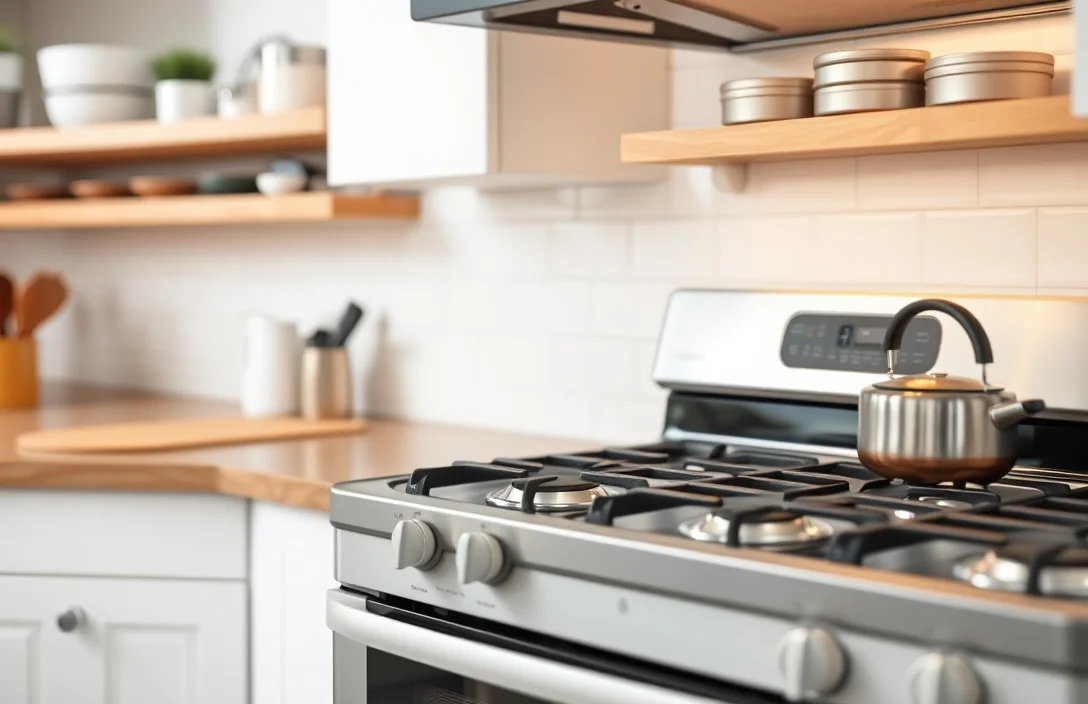
Over 50% of U.S. households prefer gas ranges, citing faster cooking times and better temperature control. Choosing between gas and electric can significantly impact your cooking experience, energy costs, and kitchen environment, making it essential to understand the differences before making a decision.
Gas ranges offer immediate heat and precise temperature control, while electric ranges provide consistent heating and are often easier to clean. Consider your cooking style, budget, and kitchen layout when deciding which option best suits your needs.
Cooking Efficiency of Gas and Electric Ranges
Speed defines the cooking efficiency of gas and electric ranges. Gas models heat up almost instantly, allowing for quick adjustments in temperature. Electric ranges, on the other hand, take longer to warm up but maintain heat well once they reach the desired temperature. This difference affects cooking times significantly.
- Gas ranges typically offer immediate temperature changes, making them ideal for quick cooking tasks like sautéing or searing. The flames provide visual feedback, allowing chefs to adjust heat levels easily.
- Electric ranges provide more uniform heat distribution, which can lead to even cooking for baking or casseroles. The smooth surface often retains heat longer, making them efficient for slow-cooking methods.
- Efficiency varies based on the specific model and design, with some electric ranges featuring induction technology that heats pots directly, improving speed and efficiency even further.
Comparing these heating methods highlights the strengths of each. Gas ranges excel in responsiveness, while electric versions shine in consistent heat retention. Thus, choosing between them depends on cooking style and preferences.
Heat Control and Precision in Cooking
Gas ranges offer immediate temperature adjustments, allowing for quick changes in cooking heat. Chefs appreciate this responsiveness, enabling them to switch from high to low heat almost instantaneously. This characteristic is particularly beneficial for techniques like sautéing or simmering, where precise temperature control is essential for perfect results.
- Electric ranges provide consistent heat distribution. Coil or induction elements deliver steady temperatures, ensuring even cooking across the surface. This attribute is advantageous for baking, where uniform heat is crucial for items like cakes and pastries.
- Response time varies between types. Gas flames react instantly to adjustments, while electric elements take longer to cool down or heat up. Knowing this can influence cooking methods, especially for those who require quick temperature changes.
- Temperature control settings differ significantly. Many electric models feature digital displays, allowing precise temperature settings, which can be helpful for recipes requiring exact heat levels. Gas ranges, on the other hand, rely on manual knobs, providing a more tactile cooking experience.
- Heat retention plays a role in cooking efficiency. Electric ranges maintain heat longer after being turned off, making them suitable for slow cooking. In contrast, gas ranges cool off quickly, ideal for quick cooking methods that require rapid temperature adjustments.
Initial Purchase Costs of Ranges
Gas ranges typically come with higher initial purchase costs than electric models. Prices for gas ranges often start around $600 and can exceed $2,000 for premium models. In contrast, electric ranges usually range from $400 to $1,800. Assessing your budget is crucial before making a choice, as costs can vary significantly based on features and brand.
Quality impacts price significantly across both types. Higher-end gas models often feature advanced technology like dual fuel options and self-cleaning capabilities, which can increase costs. Electric ranges might have features like induction cooking or smart technology, also affecting the price. Researching brands and models can help identify the best fit for your budget.
Installation costs vary between the two options as well. Gas ranges may require additional expenses for proper ventilation and gas line connection, which can add hundreds of dollars to your overall costs. Electric ranges, while simpler to install, might still need upgrades to existing electrical outlets depending on power requirements.
Considering these initial costs is vital for making an informed decision. Budgeting for both the range and installation will ensure that your investment aligns with your kitchen’s needs and your financial situation. Future savings in energy costs can also influence the long-term value of your choice.
Long-Term Energy Costs for Each Type
Long-term energy costs significantly affect overall range expenses. Gas ranges typically have lower monthly bills due to lower natural gas prices compared to electricity. Over time, this can result in substantial savings for those who cook frequently.
Electric ranges often incur higher energy costs. Electricity rates tend to be more volatile, which can lead to increased bills, especially in regions with high demand. Homeowners should consider their local energy prices when evaluating options.
| Range Type | Average Monthly Cost | Long-Term Savings Potential |
|---|---|---|
| Gas | $30 – $50 | Higher savings over time |
| Electric | $50 – $80 | Lower savings potential |
Investing in energy-efficient models can further reduce costs. Both types have options designed to minimize energy consumption while delivering high performance. Selecting an ENERGY STAR certified appliance can enhance savings and provide better efficiency.
Comparing long-term costs helps in making an informed decision. Each kitchen’s needs and cooking habits play a vital role in determining which range type will be more cost-effective over the years. Analyzing monthly usage can guide the right choice for your household.
Installation Requirements for Gas and Electric
Gas ranges require specific gas lines for safe operation. Ensure your home has a natural gas supply or a propane tank available for connection. It’s crucial that a certified technician installs these gas lines to prevent leaks and ensure proper airflow. Always check local codes and regulations regarding gas installations to remain compliant.
Electric ranges need a dedicated electrical circuit. Typically, this circuit should be rated at 240 volts and 40-50 amps, depending on the model’s specifications. Inspect your kitchen’s electrical capacity to confirm it can handle this requirement. Hiring a licensed electrician for installation ensures safety and adherence to electrical codes.
Ventilation varies between the two types. Gas ranges often require a range hood or exhaust fan to disperse combustion gases and odors effectively. Electric models may not need extensive ventilation but can benefit from a hood to manage heat and smoke. Assess your kitchen layout to determine the best ventilation solution for your setup.
Clearances around each range type must also be considered. Gas ranges typically need more space around them for safety reasons. Check the manufacturer’s guidelines for specific clearance requirements. Electric ranges generally have more flexible placement options but still need adequate space to avoid overheating.
Maintenance and Cleaning Differences
Gas ranges require specific cleaning techniques due to their open flame and grates. Regular maintenance involves removing grates and burners to clean food debris and spills. A gentle scrub with warm, soapy water keeps surfaces looking good while avoiding harsh chemicals that can damage the finish. Make sure to check the igniters for any food buildup, which can affect their functionality.
Electric ranges typically feature smooth, flat surfaces that are easier to clean. Wiping down the cooktop with a non-abrasive cleaner can quickly remove stains and spills. Consider using a scraper for stubborn residue, but avoid metal scrubbing pads, as they can scratch the surface. Regularly checking and cleaning the oven’s interior will also help maintain efficiency.
Both types benefit from routine maintenance, but methods differ. Gas models often have more intricate components, requiring careful handling during cleaning. Electric versions can be more forgiving, but neglecting regular upkeep may lead to performance issues. Familiarizing yourself with the specific cleaning requirements of your chosen appliance is crucial for longevity.
Safety Features and Considerations
Gas appliance hazards require detectors and ventilation to prevent carbon-monoxide buildup; install a hardwired CO alarm near the kitchen and vent to outdoors or use a range hood rated for gas. Check for leaks with soapy water or an electronic gas detector, schedule annual professional inspections, and favor models with flame-failure valves or electronic ignition to eliminate continuous pilots.
Install CO alarm, anti-tip bracket and a gas-leak detector, and hardwire or battery-backup safety devices. For any gas or electric range, ensure a professional fits gas lines, use GFCI-protected nearby outlets, keep 3 feet of clearance from combustibles, engage child locks or knob covers, and teach family emergency shutoff procedures.
Quick Summary
- Gas ranges provide immediate heat and precise temperature control, ideal for experienced cooks.
- Electric ranges offer consistent heating and are often easier to clean due to smooth cooktop surfaces.
- Gas ranges typically require a natural gas line, while electric ranges are more versatile with installation options.
- Electric ranges often have features like convection ovens and self-cleaning options.
- Gas ranges may be more cost-effective for long-term use, depending on local energy prices.
- Safety features vary; gas ranges need proper ventilation to prevent carbon monoxide buildup.
- Choice between gas and electric may depend on cooking habits, kitchen setup, and personal preferences.
Frequently Asked Questions
1. What are the main differences between gas and electric ranges?
Gas ranges use natural gas or propane to fuel the burners, providing instant heat and better temperature control. Electric ranges, on the other hand, use electric coils or smooth tops for heating, offering even cooking but usually slower heat-up times.
2. Which type of range is more energy-efficient?
Electric ranges tend to be more energy-efficient because they convert energy directly into heat. However, gas ranges can be more cost-effective in areas with lower natural gas prices, as they often have lower operational costs over time.
3. Are gas ranges safer than electric ranges?
Gas ranges can pose a risk of gas leaks and require proper ventilation to prevent carbon monoxide buildup. Electric ranges eliminate the risk of gas leaks but can pose a burn hazard if touched while hot.
4. Which type of range is better for cooking?
Many chefs prefer gas ranges for their quick temperature adjustments and visual cues of the flame. Electric ranges, particularly induction models, offer precise temperature control and are easier to clean, making them a popular choice for home cooks.
5. Can I convert a gas range to electric or vice versa?
While it is technically possible to convert a gas range to electric or the other way around, it often involves significant modifications, including electrical wiring or gas line installation. It is recommended to consult a professional for safety and compliance with local codes.
