
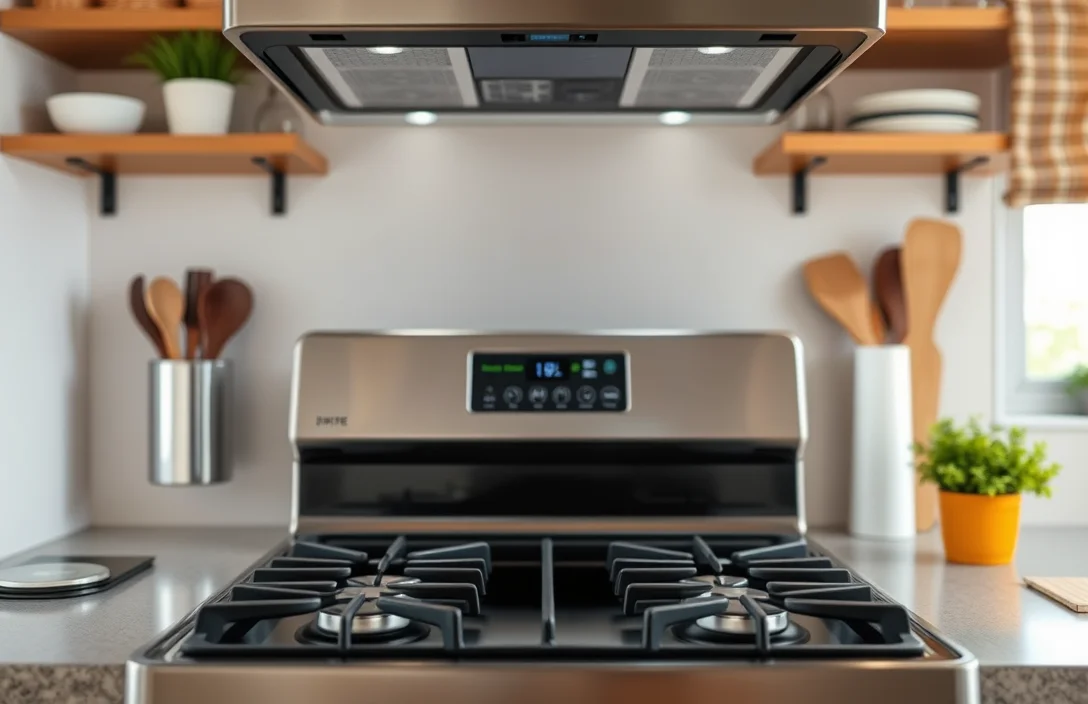
Forty percent of households in the U.S. prefer gas stoves over electric ones, citing quicker cooking times and better heat control. This preference reflects not just a cooking style but also energy efficiency, cost, and safety, making the choice between gas and electric stoves crucial for many.
Comparing gas and electric stoves reveals important distinctions: gas models offer instant heat and precise temperature adjustments, while electric stoves are often easier to clean and maintain. Consider your cooking habits and kitchen setup to determine the best fit for you.
Energy Efficiency Comparison
Gas stoves generally consume energy more efficiently than electric models. They provide instant heat and allow for precise temperature control. This immediate response reduces cooking time, leading to lower overall energy usage during meal preparation.
Electric stoves, on the other hand, often rank lower in energy efficiency. They require time to heat up and cool down, which can extend cooking durations. Consequently, this extended cooking time can lead to increased electricity costs over time.
Comparative studies indicate that gas appliances tend to be more cost-effective in the long run, particularly for frequent cooks. Many households prefer them for this reason, as they can lower monthly utility bills. Evaluating your cooking habits can help determine which option better suits your lifestyle needs.
Efficiency ratings differ among models. Always check the Energy Star certification label when shopping. This label indicates higher efficiency standards, ensuring that you make an informed choice, whether opting for gas or electric. Knowing these factors can significantly impact your decision on kitchen appliances.
Cooking Performance Analysis
Cooking performance varies significantly between gas and electric stoves. Gas models provide immediate heat and precise temperature control, making them ideal for tasks requiring quick adjustments. Electric stoves, on the other hand, tend to heat slowly and distribute heat more evenly, creating a consistent cooking environment.
Response times differ greatly. With gas, the flame can be adjusted instantly, allowing chefs to switch from boiling to simmering without delay. Electric stoves require a waiting period for the coils to cool down or heat up, which can impact cooking efficiency.
Heat distribution is crucial. Gas stoves often create hot spots due to open flames, while electric models generally offer more uniform heat across the cooking surface. This can affect the outcome of certain dishes, especially those that require precise cooking techniques.
Temperature maintenance also differs. Gas stoves can maintain heat levels more effectively during cooking, while electric stoves may struggle to maintain consistent temperatures when adding cold ingredients or adjusting heat settings. This factor is essential for achieving desired cooking results.
Cost of Operation
Operating costs significantly influence your choice. Gas stoves generally have lower operational costs due to cheaper natural gas prices compared to electricity in many regions. Moreover, they can be more efficient in cooking, reducing overall energy consumption when used regularly.
Electric stoves often incur higher monthly utility bills. Depending on your local rates, this may add up over time. Newer models, however, may offer better energy efficiency, which can mitigate costs somewhat. It’s essential to compare these operational costs based on your cooking habits.
Long-term savings can also vary based on maintenance. Gas stoves may require more frequent servicing due to their components, which can add to costs. Electric models typically need less maintenance, translating to lower costs in the long run.
In summary, evaluate the initial purchase price against ongoing expenses. Calculate your expected monthly usage of gas or electricity to determine which option aligns better with your budget. The right choice balances upfront costs with long-term savings.
Installation Requirements
Measure supply locations and confirm utilities match the gas or electric stove appliance specifications before purchase and installation. For electric ranges ensure a dedicated 240V circuit with the correct breaker amperage and cable gauge; for gas install confirm inlet pressure, an accessible shutoff valve, and an appropriately sized supply line. Also verify ventilation, countertop clearances, floor capacity, mounting and anchoring requirements, and local permit requirements.
Safety Features Overview
Choosing the right stove involves assessing safety features. Gas models often include flame failure devices, which automatically shut off gas flow if the flame goes out. This prevents dangerous gas leaks, ensuring a safer cooking environment. Electric stoves generally have features like hot surface indicators that warn users when burners are still hot, reducing the risk of accidental burns.
Installation requirements vary significantly between both types. Electric stoves need adequate power outlets and may require dedicated circuits, while gas stoves necessitate proper ventilation and gas line connections. Proper installation plays a crucial role in maintaining safety standards.
Emergency shut-off switches are critical for both types. These allow for immediate disconnection of the power or gas supply in the event of an emergency, providing peace of mind during use. Users should familiarize themselves with the location and operation of these switches for prompt action if needed.
Child safety locks are beneficial for families. Many modern electric stoves come with this feature, preventing children from accidentally turning on burners. Gas stoves may also offer similar locks, ensuring household safety and reducing the risk of unintentional use.
Proper maintenance enhances safety. Regularly inspect gas lines for leaks and ensure burners are clean and functioning correctly. For electric stoves, check wiring and connections to avoid electrical hazards. Routine checks can significantly reduce the risk of accidents and increase the stove’s lifespan.
Maintenance and Cleaning Tips
Regular cleaning ensures optimal performance. For gas stoves, remove grates and burners periodically to clean any food residue or grease. Use a soft brush and warm soapy water for thorough cleaning. Make sure to dry everything completely before reassembling to prevent rust or corrosion.
Electric stovetops require different care. Smooth-top models benefit from specialized cleaners that remove stains without scratching the surface. Apply the cleaner with a soft cloth, and for stubborn spots, a plastic scraper can help without damaging the surface. Always ensure the stove is cool before cleaning.
Inspect components regularly to maintain efficiency. For gas models, check for any signs of wear or damage in the burners and hoses. Replace any faulty parts promptly to avoid safety issues. Electric stoves should have cords and connections checked for fraying to prevent electrical hazards.
Use protective gear like burner liners or mats to minimize mess. These tools catch spills and make cleanup easier. They can be easily removed and washed, ensuring your stove remains in pristine condition while also prolonging its lifespan.
Environmental Impact Assessment
Evaluating energy sources is crucial. Gas stoves typically emit greenhouse gases, contributing to climate change. In contrast, electric stoves can be powered by renewable energy, significantly reducing their carbon footprint. Assessing your local energy mix helps determine the environmental impact of your cooking appliance.
Considering lifecycle emissions is important. From production to disposal, each type of stove has different environmental implications. Gas stoves require mining and transportation of fossil fuels, while electric stoves may involve emissions from power plants. Evaluating these factors informs sustainable choices.
Researching energy efficiency ratings aids decision-making. Electric appliances often feature energy-saving technologies, with some models using less power during operation. Investigating these ratings can highlight options that minimize energy consumption, thus reducing overall environmental impact.
Exploring alternative options enhances sustainability. Induction cooktops, for instance, offer high efficiency and rapid heating without the emissions associated with gas. These modern technologies present viable choices for environmentally conscious consumers looking to optimize their kitchen’s ecological footprint.
User Experience Reviews
Feedback from users highlights varying preferences between these cooking options. Many find gas stoves provide immediate heat control, which is essential for precise cooking. Chefs often appreciate the visual flame that indicates heat levels, allowing for quick adjustments during meal preparation.
Experiences with electric stoves reveal consistent heating capabilities. Users enjoy the even cooking surfaces that help eliminate hot spots, resulting in well-cooked food. Cleaning is another common point of praise, as smooth-top models simplify maintenance and upkeep.
Costs impact choices significantly. Users report that gas stoves generally have a higher initial installation cost due to the need for gas lines. Electric models, in contrast, may require less upfront investment but can lead to higher energy bills over time, depending on usage.
Safety features also influence user satisfaction. Many appreciate gas stoves equipped with automatic shut-off valves, while others prefer electric models that eliminate the risk of gas leaks. Each option presents unique safety considerations that users must weigh.
Ultimately, personal cooking style shapes preferences. Home cooks who enjoy rapid temperature changes may lean towards gas, while those who value uniform cooking might choose electric. Evaluating user experiences can guide informed decisions on the right appliance for specific culinary needs.
Key Point 9: gas or electric stove
Evaluating your cooking style is essential. If you prioritize quick heat and precise temperature control, a gas option might suit your needs. Gas stoves offer immediate heat adjustments, allowing for better cooking responsiveness.
Conversely, electric models typically provide consistent heat distribution. Smooth-top electric stoves are easier to clean and maintain, appealing to those who prefer simplicity in upkeep. Consider your cleaning preferences when deciding between the two types.
Cooking preferences also play a significant role. Chefs often prefer gas for its direct flame, while home cooks may opt for electric for its ease of use. Think about your typical cooking methods to determine what fits best.
Energy efficiency can influence your choice as well. Electric stoves may consume less energy compared to gas, which can lead to savings on utility bills. Analyze your local energy rates to make a cost-effective decision.
Ultimately, personal preference seals the deal. Test out both types in a store setting or through friends to feel the differences firsthand. Real-life experience can clarify which stove aligns with your cooking habits and lifestyle.
Quick Summary
- Gas stoves provide instant heat and precise temperature control.
- Electric stoves are generally easier to clean and maintain.
- Gas stoves can be more energy-efficient, depending on usage.
- Electric stoves often come with modern features like induction cooking.
- Installation of gas stoves requires proper ventilation and safety measures.
- Electric stoves may have a longer cooking time due to slower heating elements.
- Personal preference, cooking style, and kitchen setup play crucial roles in choosing between gas and electric stoves.
Frequently Asked Questions
1. What are the main differences between gas and electric stoves?
Gas stoves use natural gas or propane as fuel, providing instant heat and precise temperature control. Electric stoves rely on electrical elements or induction technology, often offering smoother surfaces and easier cleaning.
2. Which type of stove is more energy-efficient?
Generally, gas stoves are considered more energy-efficient since they heat up quickly and lose less heat during cooking. However, electric stoves, especially induction models, can also be efficient and may convert energy more effectively, depending on usage.
3. How does cooking performance compare between gas and electric?
Gas stoves offer immediate heat and temperature adjustments, making them favored by professional chefs for precise cooking. Electric stoves can take longer to heat but provide even cooking and are safer for simmering delicate dishes.
4. Are there safety concerns with gas stoves compared to electric stoves?
Gas stoves pose risks such as gas leaks and open flames, which can be hazardous if not properly maintained. Electric stoves eliminate open flames but can pose risks like burns from hot surfaces, making safety measures important for both types.
5. Which type of stove is better for my kitchen?
The choice between gas and electric stoves depends on your cooking style, kitchen setup, and personal preferences. If you prioritize control and instant heat, a gas stove may be ideal, while an electric stove can be better for ease of use and maintenance.
