
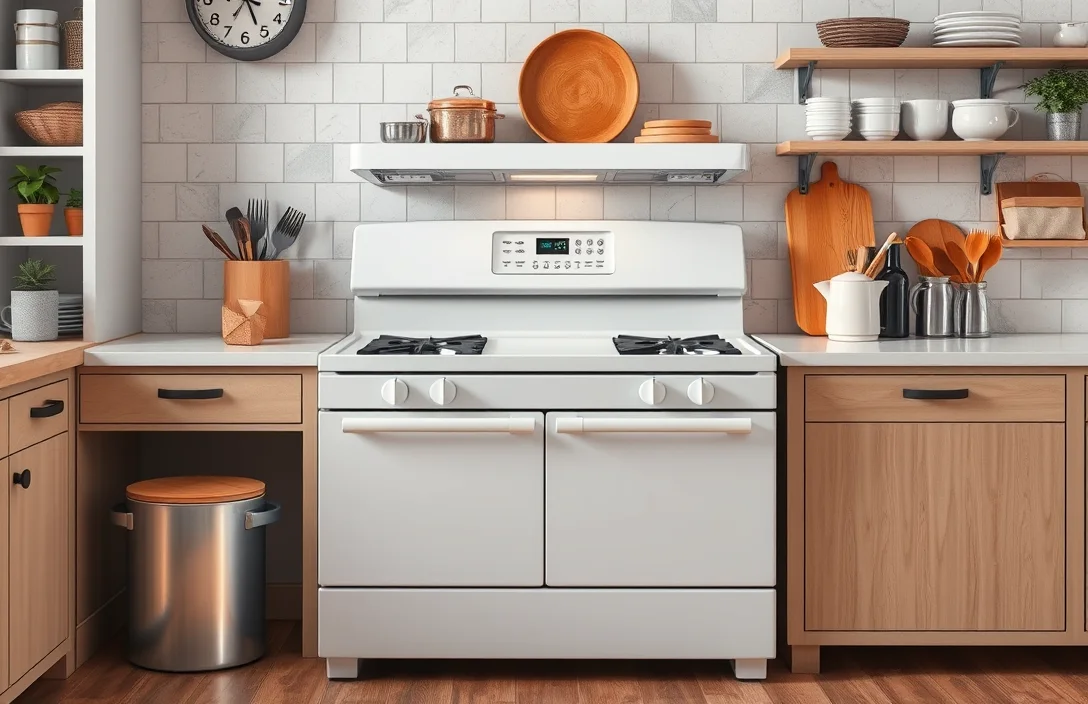
Over 70% of American households now use electric ranges, reflecting their popularity due to efficiency and convenience. These appliances have evolved significantly, offering precise temperature control and features that enhance cooking experiences while minimizing energy consumption, making them a staple in modern kitchens.
Electric ranges feature electric heating elements or induction technology, providing consistent heat and quick cooking times. They often include oven functionality with various settings, ensuring versatility for every culinary need.
Types of Electric Ranges Available
Electric ranges come in various styles, each catering to different cooking needs. Common types include freestanding, slide-in, and built-in models. Freestanding options offer versatility, easily fitting into any kitchen layout. Slide-in ranges provide a seamless appearance, blending with countertops for a professional look. Built-in models often come with advanced features and can be integrated into cabinetry for a sleek design.
Freestanding models typically feature a conventional oven and cooktop, making them popular among homeowners. Many have additional features like self-cleaning options and smart technology for enhanced convenience. Slide-in variants often lack a back panel, allowing for additional space for a backsplash and easier cleaning. They usually come equipped with high-end features, appealing to serious cooks.
Built-in electric ranges are designed for those wanting a customized kitchen experience. These models often have advanced cooking technology, such as induction heating and dual-fuel options. Professional chefs and avid home cooks favor these ranges due to their precise temperature control and efficient energy use. Selecting the right type depends on your cooking habits, kitchen space, and desired aesthetics.
Comparing Electric and Gas Ranges
Performance varies significantly between electric and gas ranges. Electric models typically heat evenly, making them ideal for baking and roasting. Gas ranges provide immediate temperature control, beneficial for tasks like sautéing or boiling. Each type has its strengths depending on cooking styles, so consider your primary cooking methods when deciding.
Cost differences are notable as well. Electric ranges generally have a lower upfront purchase price compared to gas models. Installation costs for gas lines can add up, while electric ranges usually only require a standard outlet. Long-term operational costs can also differ based on local energy prices and usage patterns.
Convenience plays a crucial role in your choice. Electric ranges often come equipped with features like smooth tops that are easy to clean. Gas ranges offer the advantage of visual flame control, allowing users to see the heat level. Ultimately, personal preferences and kitchen setups will influence which type is more convenient for you.
Understanding Energy Efficiency Ratings
Energy efficiency ratings indicate how much electricity an electric range uses compared to its output. These ratings help consumers identify appliances that minimize energy consumption while maintaining performance. Appliances with higher ratings often translate to lower utility bills and a reduced environmental footprint.
Certification labels like ENERGY STAR signify compliance with stringent energy efficiency standards. Products bearing this label meet criteria set by the U.S. Environmental Protection Agency, ensuring they consume less energy than conventional models. Choosing an ENERGY STAR rated electric range can lead to significant savings over time.
Understanding the benefits of energy efficiency extends beyond cost savings. Increased efficiency often results in better cooking performance, as these ranges can heat up faster and maintain consistent temperatures. This feature not only enhances cooking results but also saves valuable time in the kitchen.
Evaluating energy efficiency ratings should include considering the range’s features and technology. Induction cooktops, for example, are known for their superior energy efficiency, as they heat pots and pans directly. This technology minimizes wasted heat, further improving cooking efficiency and safety.
Monitoring energy consumption is crucial for long-term savings. Many modern electric ranges include smart features that allow users to track energy usage via mobile apps. These tools provide insights into cooking habits and help identify opportunities to enhance efficiency, ultimately leading to smarter energy management in the home.
Installation Requirements for Electric Ranges
Proper installation significantly impacts performance and safety. Electric ranges require specific considerations to ensure they function correctly. Prior to installation, confirm the electrical requirements and space specifications to avoid complications later. Following the right guidelines will help you set up an electric range efficiently.
- Verify electrical outlet compatibility. Ensure your kitchen has a 240-volt outlet, which is standard for electric ranges. Inspect the outlet and wiring to guarantee they can handle the required load.
- Measure the available space accurately. The range should fit snugly within the designated area, allowing for ventilation on all sides. Leave enough room for easy access and cleaning around the unit.
- Connect the range properly. Follow manufacturer instructions for wiring and plug connections. If necessary, hire a licensed electrician to handle the installation to avoid any safety hazards.
- Level the range after placement. Adjust the feet of the unit to ensure it sits flat on the floor. A level range provides better cooking results and prevents spills.
- Perform a safety check. After installation, inspect all connections and ensure that the range operates correctly. Test the burners and oven to confirm they heat up as intended.
Maintenance Tips for Longevity
Regular cleaning keeps electric ranges functioning efficiently. Wipe down surfaces after each use to prevent buildup of grease and food particles. For stubborn stains, use a gentle scrubber and a suitable cleaning solution. Ensuring cleanliness not only enhances appearance but also maintains performance and prolongs the lifespan of the appliance.
Properly inspecting components is crucial for long-term use. Periodically check the heating elements for signs of wear or damage. If any element appears burned out or cracked, replace it immediately to avoid further issues. This simple step can prevent potential hazards and ensure consistent cooking results.
Carefully managing temperature settings helps maintain optimal performance. Avoid setting temperatures too high for extended periods, as this can warp elements and affect cooking efficiency. Instead, adjust settings according to the specific requirements of each dish to prolong the life of the range.
Routine checks of electrical connections are essential. Unplugging the appliance before inspecting the cord and plug can prevent electrical hazards. Look for frayed wires or loose connections, which can compromise safety. Addressing these issues promptly is vital to maintaining a safe cooking environment.
Using appropriate cookware protects both the range and your food. Select pots and pans that match the size of the heating elements to ensure even cooking and energy efficiency. Avoid using warped or damaged cookware, as this can lead to uneven heat distribution and potential damage to the range’s surface.
Cooking Performance and Versatility
Electric ranges offer remarkable versatility, accommodating a variety of cooking methods. From baking to simmering, this appliance excels in diverse culinary tasks, making it a staple in many kitchens. Its consistent heat distribution and precise temperature control enhance cooking efficiency and improve results.
- Boiling water quickly is achievable due to powerful heating elements. Faster boiling times mean less waiting, allowing for quicker meal prep.
- Searing meats effectively can be done with high-heat settings, ensuring a perfect crust while maintaining juiciness inside. This is ideal for creating restaurant-quality dishes at home.
- Baking pastries and bread benefits from even heat distribution, producing golden crusts and fluffy interiors. Precision in temperature control is key to baking success.
- Simmering sauces and soups is simplified with the ability to maintain low temperatures steadily. This prevents burning while allowing flavors to meld beautifully.
- Grilling features on electric ranges provide indoor grilling opportunities, perfect for those without outdoor space. Enjoy grilled favorites year-round with ease.
Overall, electric ranges stand out for their adaptability and reliable performance in various cooking tasks. Investing in this tool can transform your culinary experience, making it easier to whip up delicious meals.
Quick Summary
- An electric range is a kitchen appliance used for cooking that operates on electricity.
- It typically consists of a cooktop with electric burners and an oven for baking and roasting.
- Electric ranges can have various features, including convection cooking, self-cleaning options, and smart technology.
- They provide consistent heating and precise temperature control, making them popular among home cooks.
- Electric ranges are available in different sizes and styles to fit various kitchen designs.
- They require a dedicated electrical outlet and may have higher energy costs compared to gas ranges.
- Safety features, such as automatic shut-off and cool-touch surfaces, are common in modern electric ranges.
Frequently Asked Questions
What is an electric range?
An electric range is a kitchen appliance that uses electricity to heat cooking elements, such as burners and ovens. It typically includes a cooktop with multiple heating zones and an oven for baking, roasting, and broiling.
How does an electric range work?
Electric ranges operate by passing electric current through heating elements, which then generate heat. The cooktop elements can be either coil or smooth ceramic, while the oven uses a heating element to achieve the desired temperature for cooking.
What are the advantages of using an electric range?
Electric ranges provide consistent heat and temperature control, making cooking more predictable. They are also generally easier to clean, especially models with smooth cooktops that can be wiped down easily after use.
Are electric ranges energy-efficient?
Electric ranges can be energy-efficient, especially when using induction technology, which heats pots and pans directly. However, traditional electric ranges may consume more energy compared to gas ranges, depending on usage and local energy costs.
Can I use any type of cookware on an electric range?
Most cookware is compatible with electric ranges, but it’s important to check for flat-bottomed pots and pans for optimal contact with the heating elements. Induction ranges require ferrous (magnetic) cookware, while traditional electric ranges can accommodate a wider variety of materials.
