
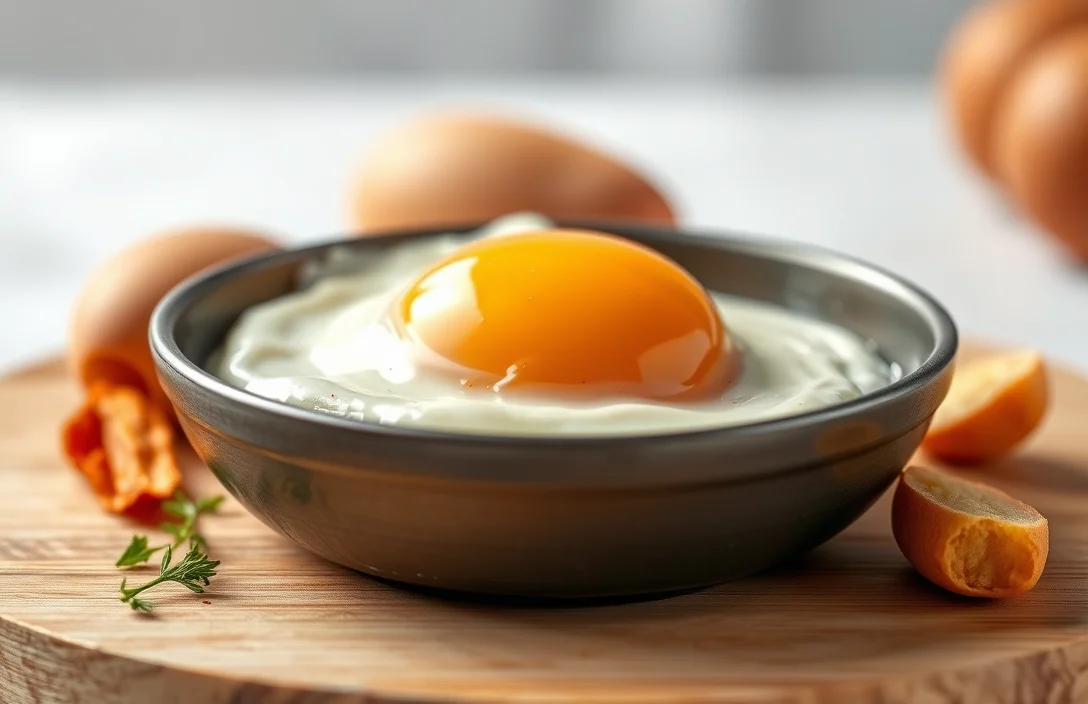
Cooking eggs perfectly can significantly enhance your meals. Studies show that over 50% of people struggle with timing eggs, leading to undesirable results. Knowing the exact cooking times can help you achieve your desired texture, whether soft-boiled, hard-boiled, or scrambled.
Soft-boiled eggs take about 4-6 minutes, hard-boiled eggs require 9-12 minutes, and scrambling usually takes 3-5 minutes. Mastering these times ensures delicious outcomes every time.
Boiling Eggs Duration for Perfect Texture
Soft-boiled eggs require exactly 6 to 7 minutes of boiling. Start with cold water, bring it to a gentle boil, then reduce heat slightly. Keep the eggs submerged and set a timer. After the time is up, transfer them immediately to an ice bath to stop the cooking process. This ensures a runny yolk and tender whites.
Medium-boiled eggs take between 8 to 9 minutes. Use the same method: boiling and then cooling in ice water. For this duration, the yolk will be creamy and slightly set, making it great for salads or as a topping for ramen. Timing is crucial to achieve the desired consistency.
Hard-boiled eggs need 10 to 12 minutes. Boil them in water, then let them cool in an ice bath to prevent overcooking. After 12 minutes, the yolk will be fully cooked, firm, and perfectly yellow. This method also helps with peeling, making hard-boiled eggs easy to prepare for snacks or deviled eggs.
Scrambled Eggs Cooking Time Guidelines
Perfectly cooked scrambled eggs require a precise cooking time of 5 to 7 minutes over medium-low heat. Start by whisking the eggs in a bowl until well mixed, adding salt, pepper, or any other desired seasoning. Preheat a non-stick skillet and add a small amount of butter or oil to prevent sticking.
Cooking begins as you pour the egg mixture into the skillet. Stir gently and continuously with a spatula, ensuring even heat distribution. This method helps create a creamy texture while preventing overcooking. Adjust the heat if necessary to avoid browning.
Monitoring the eggs closely is essential. Once they appear slightly undercooked and still glossy, remove them from the heat. Residual heat will continue to cook the eggs, achieving that desirable fluffy consistency. Serve immediately for the best experience.
Experimentation with timing may be necessary based on personal preference. Some enjoy softer, creamier eggs, while others prefer a firmer texture. Adjust the cooking duration to suit individual tastes for optimal results.
Fried Eggs Timing for Desired Doneness
Sunny-side up eggs require approximately 2 to 3 minutes of cooking. Heat a non-stick skillet over medium-low heat and carefully crack the eggs into the pan. Cook without flipping, allowing the whites to set while the yolks remain runny. Adjust the heat as necessary to avoid browning the edges.
Over-easy eggs take slightly longer, about 3 to 4 minutes total. After allowing the whites to set for 2 minutes, gently flip the eggs using a spatula. Cook for an additional 30 seconds to 1 minute, ensuring the yolks maintain a soft texture. Keep the heat moderate to prevent overcooking.
Over-hard eggs require the most time, generally around 5 to 6 minutes. Start with the same method as over-easy, but after flipping, cook for 1 to 2 additional minutes. This ensures the yolks are fully cooked and firm. Monitor closely to achieve the desired doneness without burning the edges.
Poached Eggs Instructions for Optimal Results
Achieving perfectly poached eggs requires precision and timing. Follow these steps to master the cooking process, ensuring a delightful experience with each bite. Begin by preparing your water and egg setup for optimal results.
- Fill a saucepan with water, about 3 inches deep. Bring it to a gentle simmer over medium heat, ideally around 180°F (82°C).
- Add a splash of vinegar to the water. This helps the egg whites coagulate faster, creating a neater poach.
- Crack an egg into a small bowl. This allows for easier transfer into the simmering water and helps avoid breakage.
- Gently slide the egg from the bowl into the water, aiming for the center. This minimizes splashing and helps maintain shape.
- Cook the egg for 3 to 4 minutes. For a runny yolk, aim for around 3 minutes; for a firmer yolk, increase to 4 minutes.
- Use a slotted spoon to remove the egg, allowing excess water to drain. Place it on a paper towel to absorb any remaining moisture.
Enjoy your perfectly poached eggs on toast, in salads, or as a delightful addition to various dishes. Timing is crucial for achieving the desired consistency, so practice will help refine your technique.
Microwave Cooking Times for Eggs
Microwaving eggs is quick and convenient. For scrambled eggs, cook them for about 30 seconds on high, then stir and continue cooking in 15-second intervals until they reach your desired doneness. Overcooking can lead to rubbery texture, so keep an eye on them.
Soft-boiled eggs require careful timing. Place the eggs in a microwave-safe bowl filled with water and cover with a plate. Microwave on high for 4 to 6 minutes, depending on your microwave’s wattage and how runny you prefer the yolk. Adjust time as needed.
Poaching eggs in the microwave is also straightforward. Crack an egg into a microwave-safe cup with about half a cup of water. Cover with a plate and cook for 1 minute on high. Check for doneness and add additional time in 10-second increments if necessary.
Omelettes can be prepared easily as well. Whisk together eggs and desired fillings, then pour the mixture into a microwave-safe dish. Cook for about 1 to 2 minutes, checking frequently to avoid overcooking. Stir halfway through for even cooking.
Keep safety in mind while microwaving eggs. Always use microwave-safe containers and cover dishes to prevent splatter. Let cooked eggs sit for a minute before consuming, as they will continue to cook slightly after being removed from the microwave.
Deviled Eggs Preparation Timing Tips
Boil eggs for deviled eggs precisely for 9 to 12 minutes, depending on your desired firmness. Start by placing eggs in a single layer in a pot, covering them with cold water. Bring the water to a boil, then cover the pot and turn off the heat, allowing the eggs to sit for the specified time.
Cooling eggs quickly is essential. After boiling, transfer them to an ice bath immediately to stop the cooking process. Let them sit in the ice water for at least 5 to 10 minutes, ensuring they are cool enough to handle. This step prevents overcooking and helps in peeling the shells easily.
Peeling techniques can affect the final product. Gently tap the egg on a hard surface to crack the shell, then roll it to loosen. Start peeling from the wider end where there is typically an air pocket, making the process smoother. Rinse under cold water to remove any stubborn shell fragments.
Filling the eggs is straightforward. Slice each egg in half lengthwise, scooping out the yolks into a mixing bowl. Combine yolks with mayonnaise, mustard, and seasonings of your choice. Adjust the mixture’s consistency and flavor to your preference, then spoon or pipe the filling back into the egg whites.
Garnishing adds appeal. Sprinkle paprika on top for color and a hint of flavor. Fresh herbs or crumbled bacon can enhance the presentation and taste, making your deviled eggs more enticing for guests.
Quick Summary
- Soft-boiled eggs require about 4-6 minutes of cooking time.
- Hard-boiled eggs need approximately 9-12 minutes to cook thoroughly.
- Poached eggs typically take around 3-4 minutes to achieve a runny yolk.
- Fried eggs can be cooked in 2-4 minutes, depending on desired doneness.
- Scrambled eggs usually take about 5-7 minutes to cook on medium heat.
- Cooking times may vary based on egg size and altitude.
- Always use a timer for consistent results and avoid overcooking.
Frequently Asked Questions
How long does it take to hard-boil an egg?
To hard-boil an egg, place it in a pot of cold water, bring it to a boil, then cover and let it sit for about 9-12 minutes, depending on the size of the egg and the desired doneness. Afterward, transfer the egg to ice water to stop the cooking process.
What is the cooking time for soft-boiled eggs?
For soft-boiled eggs, bring water to a boil, then gently add the eggs and let them cook for about 6-7 minutes. Once done, place them in cold water to cool before peeling for the perfect soft yolk.
How long do I need to cook a scrambled egg?
Scrambled eggs typically take about 5-7 minutes to cook on medium heat. Stir constantly until they reach your desired consistency, ensuring they remain soft and creamy.
How long to cook poached eggs?
To poach an egg, bring water to a gentle simmer and cook the egg for about 3-4 minutes. The white should be set while the yolk remains runny for a classic poached egg.
How long should I cook eggs in an air fryer?
In an air fryer, you can cook hard-boiled eggs at 270°F (130°C) for about 15-17 minutes, depending on your preferred firmness. After cooking, place the eggs in an ice bath for a few minutes to make peeling easier.
