
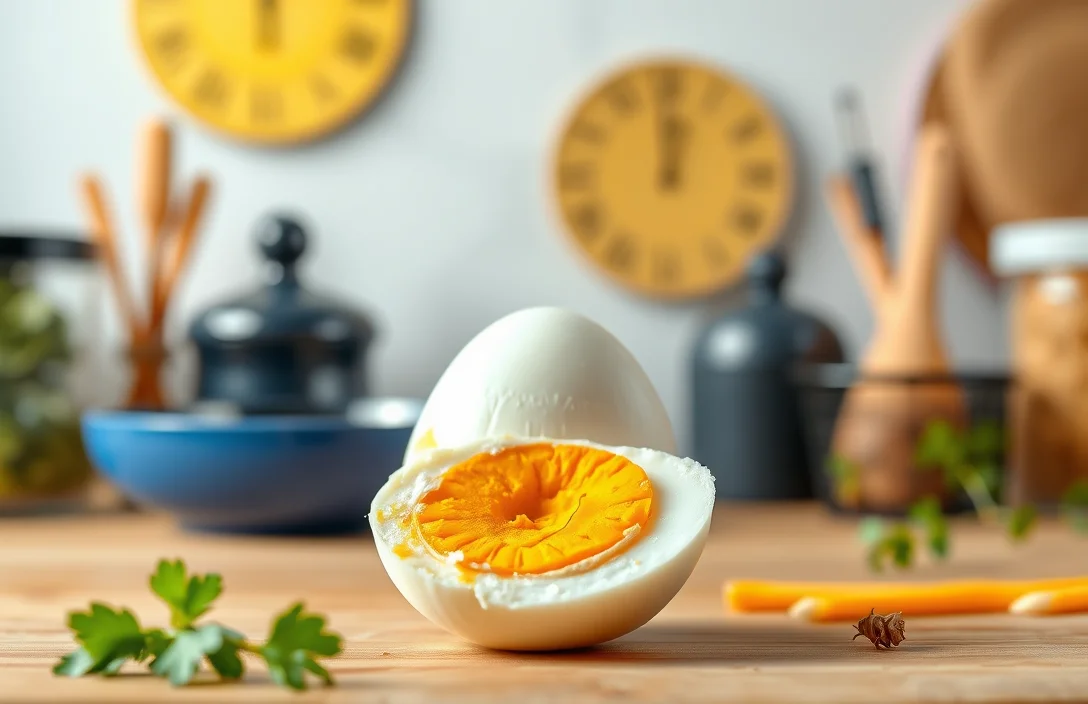
Seven minutes is often the sweet spot for perfectly hard-boiled eggs, balancing firm whites with creamy yolks. Many people underestimate the precision required in boiling eggs, leading to overcooked or undercooked results. Timing is crucial for achieving that ideal consistency.
Boiling time varies: soft-boiled eggs take about 4-6 minutes, while hard-boiled ones need 9-12 minutes. Cooling in ice water after cooking halts the cooking process and makes peeling easier.
Perfect Hard Boiled Eggs Timing
Boiling eggs requires precise timing to achieve the perfect hard-boiled result. For classic hard-boiled eggs, set your timer for 9 to 12 minutes, depending on your preferred firmness. Eggs will continue cooking slightly after removal from heat, so consider the residual heat when deciding on exact timing.
Minutes spent in boiling water directly impact yolk texture. For slightly softer yolks, aim for the 9-minute mark. If you prefer your yolks fully set with no creaminess, 12 minutes will ensure thorough cooking. Adjusting these times allows you to customize your ideal hard-boiled egg.
Temperature also plays a role; starting with cold water will give you consistent results. Place eggs in a pot, cover them with cold water, and bring to a gentle boil. Once boiling, reduce the heat slightly and start your timer based on your desired firmness.
Removing eggs promptly from boiling water is crucial. Transfer them immediately to an ice bath to halt cooking. This step not only stops the cooking process but also makes peeling easier. Following these time guidelines will lead to perfectly cooked hard-boiled eggs every time.
Boiling Time Based on Egg Size
Egg size significantly influences boiling duration. Generally, larger eggs require more time to achieve the desired firmness compared to smaller ones. If you want perfectly boiled eggs, understanding these differences is crucial for optimal results.
- Small eggs (about 38 grams): Boil for 9 minutes for a hard-boiled result.
- Medium eggs (about 44 grams): Aim for 10-11 minutes to ensure they reach the right consistency.
- Large eggs (about 50 grams): Boil for 11-12 minutes for that classic hard-boiled texture.
- Extra-large eggs (about 56 grams): They need about 12-13 minutes to achieve perfect firmness.
- Jumbo eggs (about 63 grams): Boil for 13-14 minutes to ensure they are thoroughly cooked.
Each size variation alters the boiling time slightly. Monitoring the clock during this process helps to prevent overcooking or undercooking. Adjust your timing based on the specific egg size you are using to achieve consistent results.
Freshness and Quality Indicators
Fresh eggs yield superior hard-boiled results. Checking for freshness ensures you enjoy the best flavor and texture. Start by inspecting the eggs’ sell-by date on the carton. If the date is recent, the eggs are likely fresh. Next, perform the float test, a simple method to gauge quality.
- Fill a bowl with water. Ensure the bowl is deep enough for the eggs to be fully submerged.
- Gently place the eggs in the water. Observe how each egg behaves upon contact with the water.
- Fresh eggs sink and lie flat on the bottom. If an egg stands upright or floats, discard it as it’s no longer fresh.
- Smell the eggs after cracking. A foul odor indicates spoilage, even if they passed the float test.
Quality eggs are crucial for achieving optimal results when boiling. By following these steps, you can confidently select eggs that will cook evenly and taste delicious. Remember, freshness directly impacts the outcome of your hard-boiled treat.
Cooling and Peeling Techniques
Cooling hard-boiled eggs immediately after cooking is crucial for easy peeling. Transfer them directly into an ice water bath for about 10 minutes. This process stops the cooking, prevents overcooking, and helps loosen the shell from the egg white, making peeling simpler.
Using cold water helps contract the egg inside the shell, creating a small gap. Start peeling from the wider end where there’s often an air pocket. Gently tap the egg on a hard surface to crack the shell, then roll it lightly to loosen additional areas.
Peeling under running water can also aid in shell removal. The water helps separate any stubborn bits of shell from the egg, ensuring a smooth finish. If you encounter resistance, try using a spoon to gently coax the shell away from the egg.
Storing hard-boiled eggs in the refrigerator with their shells on can maintain freshness. If you’ve peeled them, keep them submerged in water or sealed tightly to prevent drying out. Proper storage enhances the overall quality and enjoyment of your hard-boiled treat.
Health Benefits of Hard-Boiled Eggs
Nutrient-dense hard-boiled eggs offer significant health advantages. High in protein, these eggs provide essential amino acids that support muscle repair and growth. A single egg contains about 6 grams of protein, making it an excellent addition to a balanced diet. The combination of protein and healthy fats helps keep you feeling full, aiding in weight management.
Rich in vitamins and minerals, hard-boiled eggs contribute to overall health. They contain vitamin D, which supports bone health, and vitamin B12, essential for energy production and neurological function. Additionally, the presence of choline in eggs plays a vital role in brain health, enhancing memory and cognitive function.
- Omega-3 fatty acids promote heart health.
- Antioxidants such as lutein and zeaxanthin support eye health.
- Low in calories, making them a smart snack option.
Incorporating hard-boiled eggs into your diet can also boost immunity. The nutrients found in eggs help in strengthening the body’s defenses against illness. Regular consumption can lead to improved overall health and vitality.
Common Mistakes in Boiling Eggs
Overcooking results in a rubbery texture. Timing is crucial for achieving the perfect hard-boiled egg. Follow precise cooking durations based on your desired doneness. For traditional hard-boiled eggs, aim for 9-12 minutes in boiling water. Adjust according to the size of the eggs and your stove’s heat level for best results.
Ignoring cooling methods can ruin quality. Once the cooking time is complete, immediately transfer the eggs into an ice bath. This technique halts the cooking process and helps prevent overcooking, ensuring the yolks remain creamy and the whites firm.
Assuming all eggs cook uniformly is misleading. Different sizes and freshness levels affect cooking times. Fresh eggs may require a slightly longer duration compared to older ones. Always consider these factors to achieve consistent results every time you boil eggs.
Neglecting to use salt can create difficulties. Adding salt to the water can help prevent cracking and make peeling easier after boiling. This simple step can enhance your overall egg-boiling experience.
Forgetting to check water levels leads to issues. Always ensure the eggs are fully submerged in water to promote even cooking. Insufficient water can result in unevenly cooked eggs, affecting both texture and flavor.
Quick Summary
- Hard-boiled eggs typically take 9 to 12 minutes to cook, depending on the desired firmness.
- Start with eggs in cold water, then bring to a boil before timing.
- For easier peeling, use older eggs instead of fresh ones.
- Place eggs in ice water after boiling to stop cooking and make peeling easier.
- Cooking time may vary at higher altitudes; adjustments may be needed.
- Store hard-boiled eggs in the refrigerator for up to one week.
- Hard-boiled eggs can be used in salads, sandwiches, or eaten as a snack.
Frequently Asked Questions
How long should I boil an egg for hard-boiled consistency?
For a hard-boiled egg, you should boil the eggs for about 9 to 12 minutes. The exact time can vary depending on the size of the eggs and your altitude, so you may need to adjust slightly for perfect results.
What is the best way to start boiling eggs?
Start by placing the eggs in a single layer in a pot and adding enough water to cover them by about an inch. Bring the water to a rolling boil before reducing the heat and starting your timer.
How can I tell when my hard-boiled eggs are done?
You can check if your eggs are done by removing one from the pot and placing it in cold water for a minute. Peel it to see if the yolk is completely set; if it’s still slightly runny, return it to the pot for a few more minutes.
What should I do after boiling the eggs?
After boiling, immediately transfer the eggs to an ice water bath. This helps stop the cooking process and makes peeling the eggs easier.
How long can I store hard-boiled eggs?
Hard-boiled eggs can be stored in the refrigerator for up to one week. Keep them in their shells until you’re ready to eat them to maintain freshness.
