
Egg dishes are incredibly versatile, with over 1,500 ways to prepare them worldwide, showcasing their global culinary significance. From simple scrambled eggs to elaborate soufflés, mastering egg dishes opens a world of flavor and creativity in any kitchen.
Cooking eggs effectively involves choosing the right technique, understanding cooking times, and mastering seasonings. Whether frying, boiling, or poaching, each method brings unique textures and flavors to your plate.
Perfectly Boiling Eggs Techniques
Start with cold water. Place eggs in a single layer at the bottom of a saucepan. Cover them with cold water, ensuring the eggs are submerged by at least an inch. This method prevents cracking and allows for even cooking.
Bring water to a boil. Turn on the heat to medium-high and allow the water to reach a rolling boil. Once boiling, remove the saucepan from heat immediately to avoid overcooking the eggs.
Cover and set a timer. After removing the pot from heat, cover it with a lid. Set a timer according to your desired doneness: 4-5 minutes for soft-boiled, 9-12 minutes for hard-boiled. Timing is crucial for achieving the perfect texture.
Prepare an ice bath. While the eggs are cooking, fill a bowl with ice and cold water. This ice bath will stop the cooking process once the eggs are done, ensuring they remain tender and preventing them from becoming rubbery.
Transfer eggs to the ice bath. Once the timer goes off, carefully use a slotted spoon to transfer the eggs into the ice bath. Leave them submerged for about 5-10 minutes. This cooling technique makes peeling easier and enhances the final result.
Creative Variations of Scrambled Eggs
Infuse flavors into scrambled eggs by incorporating different herbs and spices. Try adding fresh chives, dill, or parsley for a green touch. Alternatively, a pinch of smoked paprika or chili flakes can add depth and warmth. Experimenting with seasonings can transform basic eggs into a gourmet experience.
Incorporate vegetables for added nutrition and texture. Sauté onions, bell peppers, or spinach in olive oil before adding the beaten eggs. These additions not only enhance flavor but also boost the overall healthiness of the dish. Opt for seasonal vegetables to keep flavors fresh and vibrant.
Experiment with cheeses for a creamy, rich finish. Feta adds a tangy twist, while cheddar offers a classic, comforting taste. Stir in the cheese just before serving for a melty, delightful surprise. Try combining different types for a unique flavor profile, enhancing your egg dish further.
Consider adding proteins to create a heartier meal. Chopped cooked bacon, sausage, or smoked salmon can elevate scrambled eggs into a satisfying breakfast. Pairing proteins with eggs provides a balanced meal, perfect for starting your day off right.
Serve scrambled eggs in creative ways to impress your guests. Utilize avocado halves or bread bowls as serving vessels. Garnishing with microgreens or edible flowers adds a beautiful presentation, making the dish visually appealing and delectable.
Omelette Filling Inspirations
Fill your omelette with diverse ingredients for maximum flavor. Popular combinations include cheese, vegetables, and meats. Consider using shredded cheddar, diced bell peppers, or cooked ham. These additions not only enhance taste but also provide texture and nutrition. Experiment with different ingredients to find your favorite mix.
Adding fresh herbs elevates the dish significantly. Chopped parsley, cilantro, or chives can brighten flavors and add aromatic qualities. Incorporate these herbs just before serving to maintain their vibrant taste. Using herbs creates a fresh, garden-like essence that contrasts well with the richness of eggs.
Incorporating unique cheeses can transform the standard omelette. Feta, goat cheese, or pepper jack provide distinct flavors that can complement various fillings. Experimenting with cheese types allows for a creative twist on traditional recipes. Consider mixing cheeses for a delightful fusion of flavors.
Including sautéed vegetables boosts both flavor and health benefits. Spinach, mushrooms, and zucchini cook down beautifully and add depth. Ensure vegetables are cooked until tender before adding eggs to allow for even cooking. This technique ensures all ingredients meld together seamlessly.
Using leftovers can reduce waste and inspire creativity. Incorporate cooked chicken, roasted vegetables, or even grains like quinoa. These ingredients can lead to unexpected yet delicious combinations. Repurposing leftovers not only saves time but also adds a unique touch to your meal.
Tips for Poaching Eggs Successfully
Start with fresh eggs for the best results. Fresh eggs hold their shape better and create a neater poached egg. Look for eggs with a firm white and bright yellow yolk. Older eggs tend to spread out in the water, creating less appealing shapes.
Vinegar in the water aids coagulation. Adding a splash of vinegar helps the egg whites firm up quickly, resulting in a more compact poached egg. Aim for about one tablespoon of vinegar per quart of water for optimal results.
Simmer water, don’t boil vigorously. Bring the water to a gentle simmer, with small bubbles rising to the surface. Boiling water can cause the eggs to break apart, leading to a less desirable texture and appearance.
Swirl the water before adding eggs. Creating a gentle whirlpool in the water helps the egg whites wrap around the yolk, resulting in a more uniform shape. Use a spoon or spatula to stir the water before carefully slipping the egg in.
Timing is crucial for perfect poached eggs. Cook the eggs for about three to four minutes for a runny yolk, or longer if you prefer a firmer yolk. Use a slotted spoon to remove the eggs and drain any excess water before serving.
Baking with Eggs Essentials
Incorporating eggs into baked dishes enhances texture and flavor. Begin by understanding the role of eggs in recipes, as they provide structure, moisture, and richness. They act as binding agents, help leaven baked goods, and contribute to browning. Measuring eggs accurately is crucial for achieving desired results.
Choosing fresh eggs significantly impacts the outcome. Fresh eggs result in better volume and stability, especially in recipes like soufflés and meringues. Crack eggs into a separate bowl before adding them to the mixture to ensure they are free from defects and shells.
Whipping eggs introduces air, creating a light and fluffy texture. For recipes requiring whipped eggs, use a stand mixer or hand whisk to achieve stiff peaks. This technique is essential for cakes, mousses, and soufflés that depend on aeration for proper rise and texture.
Combining eggs with other ingredients should be done gradually. Start by mixing eggs with sugar or fat to create a homogeneous mixture before adding dry ingredients. This method ensures even distribution throughout the batter, leading to consistent texture and flavor in the final product.
Baking times may vary depending on the size of the eggs used. Standard recipes typically call for large eggs, so adjust baking times accordingly if using medium or extra-large eggs. Monitoring the baking process is essential to avoid over or undercooking baked dishes.
Incorporating Eggs into Breakfast Dishes
Scrambled eggs serve as a versatile base for numerous breakfast dishes. They can be easily customized by adding vegetables, cheeses, and spices to enhance flavor and nutrition. For example, mixing in spinach, tomatoes, or bell peppers provides a colorful and healthy twist.
Omelettes offer another creative method to use eggs. Whisk eggs and pour them into a hot skillet, then fill with your choice of ingredients like mushrooms, onions, or feta cheese. Fold the omelette in half for a satisfying meal packed with protein and taste.
Eggs benedict presents a classic breakfast option that elevates your morning routine. Poach eggs and serve them atop English muffins with Canadian bacon and hollandaise sauce for a deliciously rich dish. Experimenting with variations, such as substituting smoked salmon for bacon, adds excitement.
Breakfast burritos combine eggs with a variety of fillings for a hearty start to the day. Scramble eggs and wrap them in a tortilla with beans, avocado, and salsa. This portable meal is perfect for busy mornings while still delivering essential nutrients.
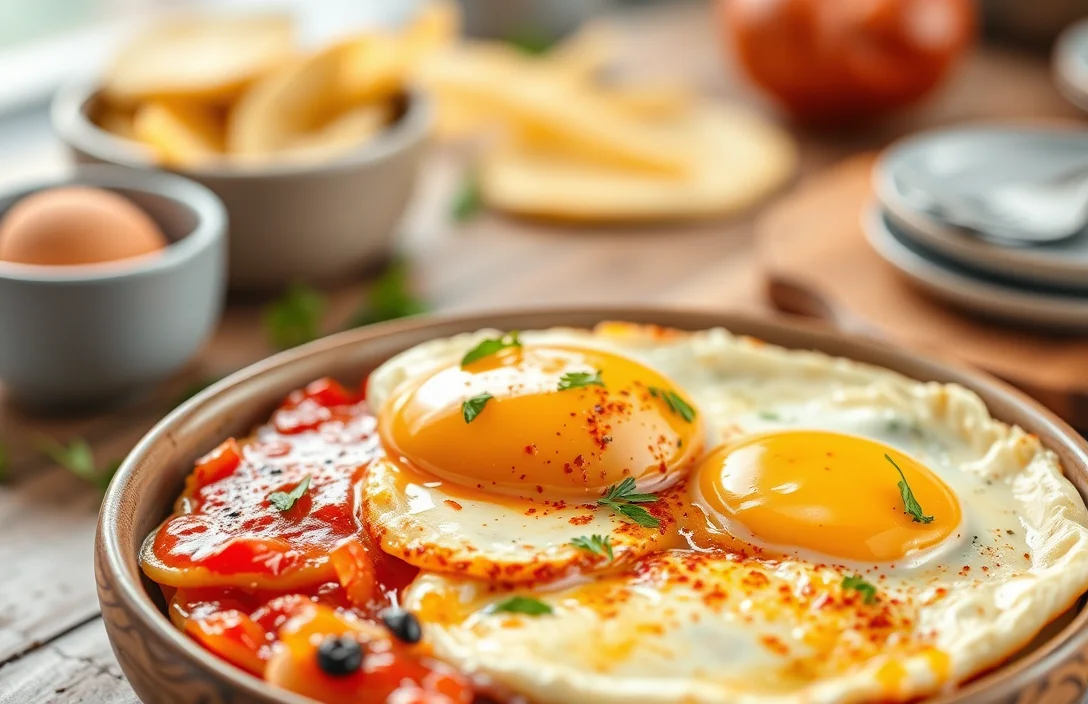
Shakshuka introduces a flavorful Middle Eastern dish featuring eggs poached in a spicy tomato sauce. Serve this dish with crusty bread for dipping, allowing the sauce to complement the eggs beautifully. This dish brings a unique twist to breakfast and is sure to impress.
Exploring Eggs in International Cuisines
Global egg dishes showcase diverse cooking techniques and flavors. Explore various recipes from around the world to expand your culinary repertoire. Each culture adds unique ingredients and preparation methods, making eggs a versatile choice in international cuisines.
Shakshuka, a North African dish, features poached eggs in a spicy tomato sauce. Start by sautéing onions, bell peppers, and garlic. Add crushed tomatoes, spices like cumin and paprika, then create small wells for the eggs. Simmer until the eggs are cooked to your liking. Serve with crusty bread.
Spanish tortillas, or tortilla española, consist of eggs, potatoes, and onions. Slice the potatoes thinly and sauté them until tender. Whisk eggs in a bowl, combine with the potatoes, and cook in a skillet until set. Flip the tortilla using a plate for even cooking on both sides.
Japanese tamagoyaki offers a sweet, layered omelet experience. Whisk eggs with a touch of sugar and soy sauce. Cook in a rectangular pan, pouring a thin layer of egg, rolling it into a log, and repeating the process until all the egg mixture is used. Slice into bite-sized pieces.
French quiche provides a rich, creamy option. Blend eggs with heavy cream, seasonings, and your favorite fillings like cheese, vegetables, or meats. Pour the mixture into a pie crust and bake until set. Quiche can be served warm or cold, making it a versatile dish.
Quick Summary
- Choose the right type of egg: Fresh eggs are essential for the best flavor and texture.
- Master cooking techniques: Familiarize yourself with methods like boiling, scrambling, frying, and poaching.
- Season appropriately: Use salt, pepper, and herbs to enhance the natural taste of eggs.
- Control cooking time: Pay attention to timing to avoid overcooking and achieve the desired doneness.
- Experiment with add-ins: Incorporate vegetables, cheeses, or meats for added flavor and nutrition.
- Use the right equipment: Non-stick pans and proper utensils can make cooking and cleaning easier.
- Practice food safety: Store eggs properly and cook them to the recommended temperature to prevent foodborne illness.
Frequently Asked Questions
1. What are the different methods to cook eggs?
Eggs can be cooked in various ways including boiling, frying, scrambling, poaching, and baking. Each method offers a unique texture and flavor, making eggs a versatile ingredient in many dishes.
2. How do I boil eggs perfectly?
To boil eggs perfectly, place them in a pot and cover with cold water. Bring to a boil, then reduce heat and simmer for 9-12 minutes depending on desired doneness, before transferring them to an ice bath to stop the cooking process.
3. What is the best way to scramble eggs?
The best way to scramble eggs is to whisk them with a splash of milk or cream for creaminess. Cook them in a non-stick pan over medium-low heat, stirring gently until just set for a soft and fluffy texture.
4. How can I make a perfect omelette?
To make a perfect omelette, whisk eggs with salt and pepper, then pour into a hot, greased non-stick skillet. Cook until the edges start to set, then gently lift the edges while tilting the pan to let uncooked egg flow underneath, and fold when fully cooked.
5. What tips can I follow for making a good frittata?
For a good frittata, start by sautéing vegetables and meats in a skillet, then pour in beaten eggs and cook on low heat until the edges set. Finish cooking under a broiler for a few minutes to set the top, and let it cool slightly before slicing.
