
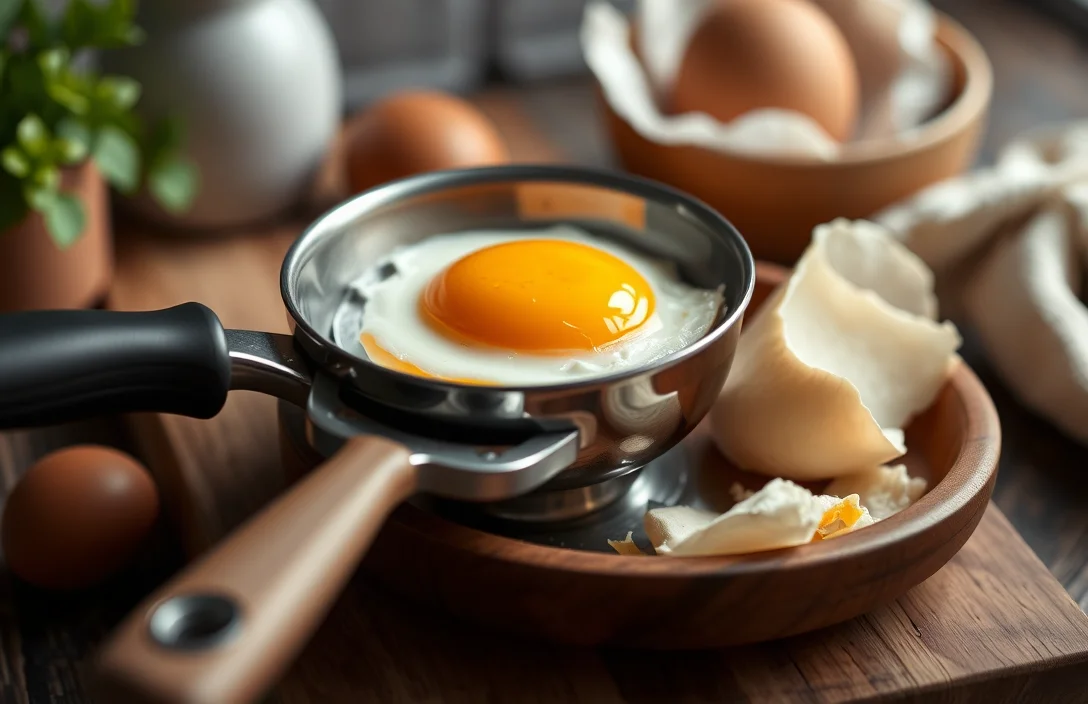
Cooking an egg is one of the simplest yet most versatile skills you can master, with over 1 billion eggs consumed daily worldwide. Perfecting this skill not only enhances meals but also provides a foundation for countless recipes and culinary techniques.
Learn to cook eggs through boiling, frying, scrambling, or poaching. Each method requires different techniques and times, but all yield delicious results. Mastering these methods can significantly improve your cooking repertoire.
Perfectly Boiling Eggs Techniques
Start with cold eggs directly from the refrigerator. Place them gently in a saucepan and cover with cold water, ensuring the water level is about an inch above the eggs. This method helps avoid cracking while heating up.
Bring the water to a rolling boil over medium-high heat. Once boiling, cover the saucepan with a lid and turn off the heat. Let the eggs sit for the recommended time according to your desired doneness: 6-7 minutes for soft-boiled, 9-12 minutes for hard-boiled.
After the designated time, transfer the eggs to an ice bath. Fill a bowl with ice and water, then carefully place the eggs in. This stops the cooking process and makes peeling easier. Let them sit in the ice bath for approximately 5-10 minutes.
Crack the shells gently all over before peeling. Start peeling from the wider end where the air pocket is located, allowing for easier removal of the shell. Rinse the peeled eggs under cold water to remove any bits of shell.
Techniques for Creamy Scrambled Eggs
Whisking eggs thoroughly creates a uniform texture. Use a fork or whisk to mix the eggs until the yolks and whites are fully combined. The more air incorporated during this process, the fluffier the final product will be. Aim for a light, frothy consistency, which ensures an airy scramble.
- Utilize low heat for cooking. Keeping the heat low allows for gentle cooking, preventing the eggs from becoming rubbery. A non-stick skillet or well-seasoned pan is ideal for even heat distribution.
- Stir continuously while cooking. Moving the eggs constantly with a spatula helps to create soft curds and ensures even cooking. Be patient; this technique takes a little longer but results in superior texture.
- Add dairy for creaminess. Incorporating heavy cream, milk, or even crème fraîche during whisking enhances richness. Use about one tablespoon of dairy per egg for optimal creaminess.
- Remove from heat before fully set. Eggs will continue to cook from residual heat even after being removed from the pan. Take them off the stove while still slightly undercooked for the best creamy consistency.
Variations of Fried Eggs Styles
Sunny-side up eggs present a delightful option, showcasing the yolk in its full glory. Begin by heating a non-stick skillet over medium heat, adding a small amount of oil or butter. Crack the egg gently into the pan, ensuring the yolk remains intact. Cook until the whites are set, but the yolk remains runny, approximately 2-3 minutes.
Over-easy eggs offer a slight twist, allowing for a soft yolk with a hint of firmness. Prepare the pan similarly to the sunny-side up style. Once the egg whites are set, gently flip the egg using a spatula and cook for an additional 30 seconds. This technique will slightly firm the yolk while keeping it deliciously runny.
Over-hard eggs provide a fully cooked yolk for those who prefer it firm. Follow the same initial steps for sunny-side up or over-easy. After flipping, continue cooking for an extra 1-2 minutes, ensuring the yolk is fully cooked through. This style is ideal for breakfast sandwiches or dishes requiring a firmer egg texture.
Expert Tips for Poaching Eggs
Perfectly poached eggs require precise timing and technique. Begin by bringing a pot of water to a gentle simmer. Avoid a rolling boil, as it can break the eggs apart. Add a splash of vinegar to the water; this helps the egg whites coagulate more quickly, resulting in a neater shape.
- Crack the egg into a small bowl first. This ensures you can gently slide it into the water without breaking the yolk.
- Swirl the water gently with a spoon before adding the egg. This creates a vortex that helps keep the egg together.
- Carefully slide the egg into the center of the vortex. This minimizes the chances of the egg whites dispersing.
- Cook the egg for about three to four minutes. Adjust the time based on how runny you prefer the yolk.
- Remove the egg with a slotted spoon. Let any excess water drain off before serving.
Practicing these steps will lead to consistently excellent results. Enjoy your perfectly poached eggs on toast or as part of a delicious breakfast dish.
Baking Eggs in the Oven
Preheat your oven to 350°F (175°C). Baking eggs requires a consistent temperature for even cooking. Ensure your oven is fully heated before placing the dish inside, as this helps in achieving the desired texture and doneness.
Choose a baking dish that suits the number of eggs you’re preparing. A casserole dish works well for larger quantities, while individual ramekins are perfect for single servings. Coat the dish with butter or oil to prevent sticking and enhance flavor.
Crack the eggs directly into the prepared dish. For added flavor, consider mixing in ingredients like cheese, vegetables, or herbs before baking. Season the eggs with salt and pepper for a basic seasoning, or get creative with spices and sauces.
Bake the eggs for about 15-20 minutes, checking for doneness. The cooking time may vary based on the oven and how you like your eggs. Soft and runny yolks will take less time, while firmer yolks require longer.
Remove the dish from the oven carefully using oven mitts. Let the baked eggs cool for a minute before serving. This dish is versatile, allowing for various toppings and sides to accompany your baked egg creation.
Classic Eggs Benedict Recipe
Creating the perfect Eggs Benedict involves several precise steps. Begin by poaching the eggs, which is crucial for achieving that signature runny yolk. Follow these steps to assemble your dish seamlessly.
- Fill a saucepan with water, adding a splash of vinegar to help the egg whites coagulate. Bring the water to a gentle simmer.
- Crack each egg into a small bowl or ramekin to ensure easy transfer into the water.
- Stir the simmering water gently to create a whirlpool effect. Carefully slide each egg into the center of the whirlpool, allowing it to poach for 3-4 minutes.
- Remove the eggs with a slotted spoon, draining excess water before placing them on a warm plate.
- Toast English muffins until golden brown, then layer each half with Canadian bacon. Place a poached egg on top of the bacon.
- Prepare hollandaise sauce by whisking egg yolks and lemon juice over low heat until thickened, then drizzle over the assembled muffins and eggs.
Serve your Eggs Benedict immediately, garnished with fresh herbs or a sprinkle of paprika for added flavor. Enjoy this delightful dish as a fantastic brunch option!
Omelette Making Techniques and Tips
Whisking eggs thoroughly ensures a fluffy omelette. Combine eggs in a bowl with a pinch of salt and pepper. Use a fork or whisk to mix until the yolks and whites are fully blended. This step incorporates air, giving your omelette a light texture. Aim for at least 30 seconds of vigorous whisking for the best results.
Choosing the right pan is crucial. A non-stick skillet works best, allowing the omelette to slide out easily. Ensure the pan is preheated over medium heat before adding butter or oil. This prevents sticking and helps achieve a golden, perfectly cooked exterior.
Pouring the egg mixture into the pan must be done carefully. Let it spread evenly across the surface, allowing the edges to cook faster than the center. Gently stir the mixture with a spatula for even cooking. Once the edges start to set, reduce heat to low.
Filling options can enhance flavor. Consider adding cheese, vegetables, or meats. Distribute fillings evenly across the omelette when it’s still slightly runny in the center. Fold the omelette in half, allowing residual heat to finish cooking the insides without overcooking.
Serving immediately ensures the best texture. Slide the omelette onto a plate and garnish with fresh herbs or additional toppings. Enjoy your creation hot for a delightful breakfast or brunch option that showcases your skills in cooking eggs.
Seasoning and Flavoring Eggs Creatively
Enhancing egg dishes begins with quality seasonings. Fresh herbs like chives, parsley, or cilantro can elevate flavor significantly. Adding these herbs towards the end of cooking ensures they maintain their vibrant taste. Experimenting with different combinations can provide a delightful twist to your egg creations.
Spices play a crucial role too. Consider paprika for a smoky flavor or cumin for a warm, earthy touch. A pinch of cayenne or chili powder introduces heat, perfect for those who enjoy a spicy kick. Mixing seasonings can lead to unique flavor profiles that surprise and delight.
Toppings can also transform basic eggs into gourmet meals. Crumbled feta or goat cheese adds creaminess, while avocado provides healthy fats. For crunch, try toasted nuts or seeds, which add texture and nutrition. Adding a drizzle of olive oil or balsamic vinegar enhances both taste and presentation.
Finishing touches matter greatly. A sprinkle of salt or a squeeze of lemon juice can brighten flavors. Using flavored oils, like truffle or garlic-infused varieties, gives a luxurious finish. Remember, creativity is key, so don’t hesitate to try unexpected combinations that suit your taste.
Quick Summary
- Choose the type of egg dish: boiled, scrambled, fried, or poached.
- For boiled eggs, adjust cooking time based on desired doneness: soft, medium, or hard.
- Use a non-stick pan and preheat for scrambled or fried eggs for best results.
- Add milk or cream for creamier scrambled eggs.
- Season eggs with salt, pepper, or herbs to enhance flavor.
- Practice proper egg storage and handling for food safety.
- Experiment with different cooking techniques and toppings to find your favorite style.
Frequently Asked Questions
What are the different ways to cook an egg?
You can cook eggs in several ways including boiling, frying, scrambling, poaching, and baking. Each method offers a unique texture and flavor, allowing for a variety of dishes.
How long does it take to boil an egg?
Boiling an egg typically takes 6 to 12 minutes, depending on how you want the yolk. For a soft-boiled egg, aim for 6-8 minutes, and for a hard-boiled egg, 10-12 minutes is ideal.
What temperature should I use for frying eggs?
For frying eggs, medium heat is generally best. This allows the whites to cook through without burning while keeping the yolks runny or cooked to your preference.
How do I know when an egg is done cooking?
The best way to check if an egg is done is by timing it according to your cooking method. For boiled eggs, you can also spin them; if they spin easily, they are cooked, while raw eggs will wobble.
Can I cook eggs in the microwave?
Yes, you can cook eggs in the microwave, but you need to be cautious to avoid overcooking. Scrambled eggs can be cooked in a microwave-safe bowl, and poached eggs can be made by microwaving them in water in a covered bowl.
