
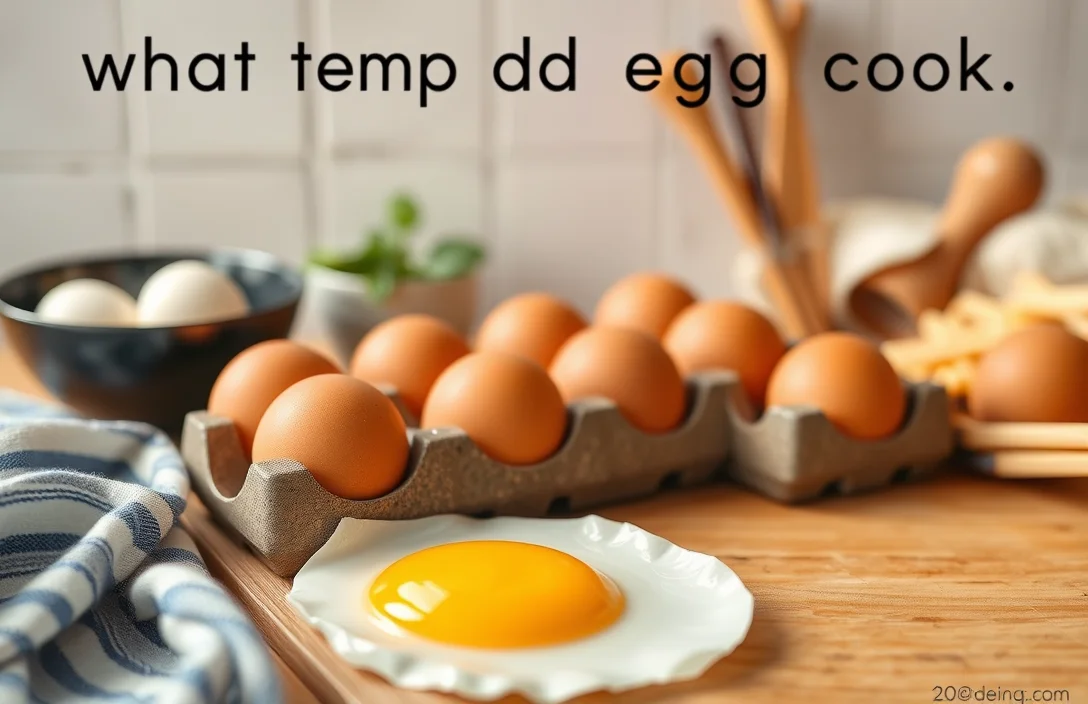
Eggs cook perfectly at temperatures between 145°F to 160°F, depending on the desired consistency. Understanding these temperature ranges can significantly improve your cooking skills and ensure you achieve the ideal texture, whether you prefer soft-boiled or hard-boiled eggs.
Cooking eggs at 145°F yields a creamy texture, while 160°F results in a firmer consistency. Aim for 160°F for scrambled eggs, and poach at around 160°F for optimal results.
Ideal Temperatures for Egg Cooking Methods
Cooking eggs requires precision to achieve desired results. Each method has specific temperature ranges to ensure perfect texture and flavor. Mastering these temperatures will elevate your egg dishes and enhance overall enjoyment.
Soft scrambling eggs demands a lower temperature, ideally between 150°F and 160°F. Stirring continuously at this range yields creamy, custard-like eggs. Avoid higher temperatures, as they can lead to rubbery textures.
Frying eggs achieves optimal results at around 250°F to 325°F. This range allows for perfect whites while keeping yolks runny or cooked to preference. Adjust the heat based on your cooking method, such as sunny-side up, over-easy, or over-hard.
Poaching eggs requires a gentle touch, with water heated to about 180°F to 190°F. This temperature ensures whites solidify while keeping yolks runny. Utilize a vinegar addition to help maintain shape during cooking.
Baking eggs in dishes like frittatas or quiches should occur at 325°F to 350°F. These temperatures allow for even cooking, ensuring that eggs set properly without overcooking. Monitor closely to achieve desired firmness.
Soft Boiled and Hard Boiled Eggs Temperatures
Soft boiled eggs require a specific temperature range for the perfect balance between a runny yolk and set whites. Aim for a cooking temperature of 190°F to 200°F (88°C to 93°C). At this temperature, cooking for about 6 to 7 minutes results in that ideal soft texture, making them delightful for breakfast or salads.
Hard boiled eggs necessitate higher temperatures to achieve a firm yolk and white. Cooking them at 212°F (100°C) for 9 to 12 minutes ensures a thoroughly cooked egg without a green ring around the yolk, which results from overcooking. Adjusting the timing slightly can help perfect your desired doneness.
| Egg Type | Temperature (°F) | Cooking Time |
|---|---|---|
| Soft Boiled | 190°F – 200°F | 6 – 7 minutes |
| Hard Boiled | 212°F | 9 – 12 minutes |
Monitoring the temperature is crucial for achieving the ideal texture. Use a kitchen thermometer for accuracy, especially if you’re experimenting with different cooking methods like stovetop or sous vide. Each method might require slight adjustments in timing or temperature for best results.
Optimal Temperature for Scrambled Eggs
Cooking scrambled eggs perfectly requires attention to temperature. Aim for a stovetop setting between low to medium heat, ideally around 250°F to 300°F (120°C to 150°C). This range helps achieve a creamy texture while preventing overcooking or rubberiness. Use a non-stick skillet or well-seasoned pan for best results.
- Start heating the pan gradually. Avoid high heat, which can quickly cook the eggs unevenly.
- Whisk eggs thoroughly before adding them to the pan. Incorporating air creates fluffiness.
- Pour the eggs into the heated pan and let them sit for a few seconds. This allows the bottom layer to begin cooking.
- Gently stir with a spatula. Move the eggs from the edges to the center, promoting even cooking.
- Remove the pan from heat just before desired doneness. Residual heat will continue the cooking process.
Using these techniques helps ensure scrambled eggs are light and fluffy. Monitoring the temperature closely can make a significant difference in the final dish.
Fried Eggs Cooking Temperature Tips
Heat your skillet to medium-low, around 250°F (121°C), for perfect fried eggs. This temperature allows the whites to set without burning, giving you a tender texture. A gentle heat ensures that the yolks remain runny or firm, depending on your preference, while still achieving a beautiful golden edge.
Maintain control over the cooking process by using a non-stick pan or adding a small amount of oil or butter. This prevents sticking and promotes even cooking. Swirling the fat around the surface will create a barrier that helps cook the eggs uniformly.
Monitor the cooking time closely, aiming for about 2 to 4 minutes. For sunny-side-up eggs, cover the pan briefly to help set the tops without flipping. If you prefer over-easy eggs, gently flip them after 2 minutes and cook for an additional minute to seal the yolk.
Use a spatula to lift the edges of the egg, checking for doneness. The whites should be opaque and firm, while the yolk remains intact. Adjust the heat as needed, allowing for optimal cooking temperatures to ensure the desired texture and doneness.
Baking with Eggs: Temperature Insights
Egg temperatures significantly influence baking results. Proper temperature control ensures eggs achieve the right texture and consistency in various recipes. Understanding how heat affects eggs can enhance your baking skills and lead to better outcomes. Eggs typically need to reach specific internal temperatures to perform optimally in dishes, such as custards, meringues, and soufflés.
- Set oven temperatures to 325°F to 375°F for most baking recipes. This range allows eggs to cook through without curdling or toughening.
- Incorporate eggs at room temperature for better integration into batters. Cold eggs can lead to uneven mixing and affect the final texture.
- Monitor custard and cream-based recipes closely. These need to heat to 170°F for proper thickening while avoiding curdling.
- Utilize a thermometer for precision. Checking the internal temperature of baked goods ensures eggs are cooked to the desired doneness.
- Adjust baking times based on egg size. Larger eggs may require slightly longer baking times, while smaller eggs can cook faster.
Cooking eggs properly is essential in achieving the desired texture and flavor in baked goods. Mastering these temperature insights will lead to consistently excellent results in your culinary endeavors.
Safety Guidelines for Cooking Eggs
Cooking eggs requires maintaining appropriate temperatures to eliminate harmful bacteria. Ensure that eggs reach a minimum internal temperature of 160°F (71°C) to reduce the risk of foodborne illnesses. Using a food thermometer can help verify this crucial temperature during preparation.
Utilizing safe cooking methods is essential. Consider the following techniques:
- Poaching: Heat water to 180-190°F (82-88°C) for perfect poached eggs.
- Scrambling: Cook until the eggs are firm and no longer runny, reaching at least 160°F (71°C).
- Boiling: For hard-boiled eggs, maintain a gentle simmer for about 9-12 minutes.
- Frying: Ensure the oil or pan is hot enough, aiming for a temperature of 325°F (163°C) or higher.
Monitoring cooking times is equally important. Use timers to avoid undercooking or overcooking eggs, which could compromise safety. Remember, consistency in temperature ensures you’re serving safe and delicious dishes.
Temperature for Egg Custards and Similar Dishes
Custards require precise cooking temperatures for optimal texture and safety. Aim for an internal temperature of 170°F to 175°F (77°C to 80°C) to ensure proper thickening without curdling. Use a thermometer to check accuracy, as overcooking can lead to undesirable results.
Monitoring the cooking process is crucial. Gently heat the custard mixture over low to medium heat, stirring constantly. This method helps distribute heat evenly and prevents the mixture from sticking to the bottom of the pan, which can scorch and ruin the custard.
Allowing the custard to cool slowly enhances texture. Once the desired temperature is reached, remove it from heat immediately. Pour the mixture into a container and cool it gradually at room temperature before refrigerating. Rapid cooling can cause a grainy texture.
Testing for doneness is essential. A good custard should coat the back of a spoon and hold a clean line when you run your finger across it. This visual cue indicates that the mixture has thickened adequately without becoming scrambled.
Storing unused custard properly extends its shelf life. Once cooled, cover it with plastic wrap, pressing it directly onto the surface to prevent a skin from forming. Refrigerated custards are best consumed within three to four days for optimal flavor and texture.
Quick Summary
- Eggs begin to set at a temperature of around 140°F (60°C).
- Soft-cooked eggs are typically cooked at 145°F (63°C) to 150°F (65.6°C).
- Medium-cooked eggs reach an internal temperature of about 150°F (65.6°C) to 160°F (71°C).
- Hard-cooked eggs should be cooked to an internal temperature of 160°F (71°C) or higher.
- Cooking eggs too high can lead to a rubbery texture and loss of flavor.
- Using a food thermometer can help ensure eggs are cooked safely and to the desired doneness.
- Cooking methods such as boiling, poaching, or frying can affect the final texture and doneness of eggs.
Frequently Asked Questions
What temperature do eggs need to reach to be safe to eat?
Eggs should be cooked to an internal temperature of 160°F (71°C) to ensure that any harmful bacteria are eliminated. This applies to both whole eggs and egg dishes.
What is the ideal cooking temperature for scrambled eggs?
For scrambled eggs, cooking them over medium-low heat is ideal, typically around 300°F (149°C). This allows for gentle cooking, resulting in creamy and tender eggs without overcooking.
At what temperature should hard-boiled eggs be cooked?
Hard-boiled eggs should be cooked in simmering water, ideally around 190°F (88°C) to 212°F (100°C). After bringing the water to a boil, reduce the heat to maintain a gentle simmer for about 9-12 minutes, depending on your desired firmness.
What temperature is best for frying eggs?
Frying eggs is best done at a temperature of about 325°F (163°C) to 350°F (177°C). This range allows the whites to set properly while keeping the yolks runny if desired.
Can I cook eggs at lower temperatures?
Yes, eggs can be cooked at lower temperatures, but it will take longer. Cooking them at lower temperatures, around 140°F (60°C) to 160°F (71°C), can result in a different texture, such as soft-scrambled or poached eggs, which some people prefer.
