
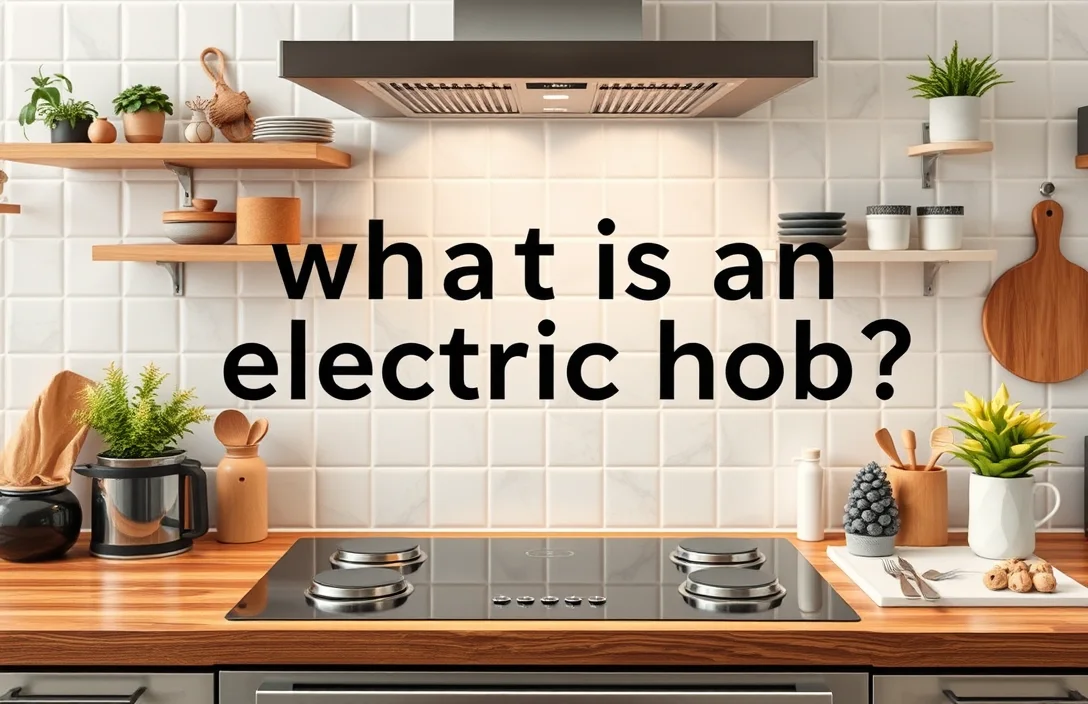
Electric hobs heat up faster than traditional gas burners, offering precise temperature control for all your cooking needs. This efficiency makes them a popular choice among novice cooks and seasoned chefs alike, transforming how meals are prepared in modern kitchens.
Electric hobs are flat cooking surfaces powered by electricity, featuring induction or radiant heat. They provide consistent heat distribution, are easy to clean, and can fit seamlessly into various kitchen designs, making them ideal for novice and experienced cooks seeking convenience.
Types of Electric Hobs and Their Features
Electric hobs come in various types, each offering unique features that cater to different cooking styles. Induction hobs, for instance, utilize electromagnetic energy to heat specific cookware directly, resulting in faster cooking times and improved energy efficiency. They require compatible pots and pans but provide precise temperature control.
Ceramic hobs feature a smooth glass surface that radiates heat from electric coils beneath. These are easy to clean and compatible with all cookware types. However, they may take longer to heat up and cool down compared to induction models.
Solid plate hobs consist of metal plates that heat up through electric resistance. They are typically more affordable but less efficient. These hobs are suitable for basic cooking tasks, making them a good choice for beginners or those on a budget.
Each type of electric hob has its advantages, allowing cooks to select based on their preferences. Considering factors like cooking speed, energy efficiency, and ease of cleaning can help make the best choice for your kitchen needs.
Understanding How Electric Hobs Operate
Electric hobs function by converting electrical energy into heat, which is then transferred to the cookware. This process involves the use of heating elements that can be either coil, solid disk, or ceramic. When the hob is turned on, electricity flows through these elements, causing them to heat up quickly and provide a consistent cooking surface.
Heating methods differ among electric hobs. Coil elements are typically exposed, allowing for direct heat transfer, while solid disks provide a more even heating surface. Ceramic hobs, on the other hand, use smooth glass surfaces that heat up rapidly and distribute heat evenly. Each method has its unique advantages, depending on the cooking style and preferences.
Temperature control is crucial for effective cooking. Most models feature adjustable settings, allowing you to control the heat level precisely. This capability enables you to simmer sauces gently or sear meats at high temperatures. Some advanced options even come with digital displays for easy monitoring.
Safety features are integrated into modern electric hobs. Many include automatic shut-off functions and residual heat indicators, which alert users when the surface is still hot. These elements enhance kitchen safety, especially for those new to cooking.
Advantages of Using Electric Hobs
Precision in temperature control sets electric hobs apart. These appliances allow you to adjust heat levels quickly and accurately, ensuring your food is cooked to perfection. This control is especially beneficial for delicate tasks like simmering sauces or melting chocolate, where maintaining the right temperature is crucial.
Convenience comes with ease of use. Electric hobs heat up quickly and can be turned off instantly, reducing the risk of overcooking. Many models feature simple, intuitive controls, making them accessible for beginners. You can focus on cooking rather than struggling with complicated settings.
- Safety features enhance your cooking experience. Many electric hobs have automatic shut-off functions, preventing accidents if you forget to turn them off.
- Maintenance is straightforward. Smooth surfaces are easy to clean, requiring only a gentle wipe to remove spills and stains, making them ideal for busy kitchens.
- Versatility allows you to cook a wide range of dishes. From frying to boiling, electric hobs can handle various cooking techniques, accommodating all your culinary needs.
Efficiency in energy use can be significant. Electric hobs typically consume less power than gas stoves, potentially lowering your utility bills. This efficiency is particularly advantageous if you often prepare meals at home.
Safety Considerations for Electric Hobs
Always prioritize safety while using electric hobs. This appliance can reach high temperatures quickly, posing risks if not handled properly. Make sure to keep flammable items away from the cooking area to prevent accidents. Regularly check for any damages to the power cord and ensure it is not frayed or exposed.
- Use cookware that is compatible with electric hobs. Flat-bottomed pans ensure even heat distribution and prevent wobbling.
- Monitor cooking temperatures closely. Many electric hobs have indicators showing when they’re hot, but always double-check before touching.
- Clean spills immediately after cooking. This helps prevent burns and makes future cooking safer and more enjoyable.
Practice caution with wet hands. Always dry your hands before touching the controls or any hot surfaces. Planning your cooking process can also minimize risks, allowing you to focus on safe practices and enjoy your cooking experience.
Comparing Electric Hobs to Gas Hobs
Electric hobs provide consistent heat control, making them ideal for precise cooking. Unlike gas hobs, which rely on an open flame, electric models use coils or induction technology to generate heat. This difference results in a more uniform cooking experience, allowing beginners to master techniques like simmering and sautéing with ease.
Maintenance varies between the two types. Electric hobs typically feature smooth surfaces, making them easier to clean than gas hobs, which often have grates and burners that collect food debris. A quick wipe-down after cooking is usually all that’s needed for electric models, adding to their appeal for busy home cooks.
Energy efficiency is another key consideration. Electric hobs can be more energy-efficient than gas, especially induction models that heat cookware directly. This efficiency not only saves on energy bills but also reduces cooking time, making them a practical choice for individuals with a fast-paced lifestyle.
Safety features often favor electric options. With no open flame, the risk of burns or fire hazards is significantly lower. Many electric hobs also include automatic shut-off features, providing peace of mind for those new to cooking or managing a busy kitchen.
Ultimately, the choice between electric and gas hobs comes down to personal preference and cooking style. Electric hobs cater well to safety-conscious beginners who appreciate ease of use and cleaning. Exploring both options can help you determine which fits your kitchen and culinary aspirations best.
Quick Summary
- An electric hob is a cooking appliance that uses electric coils or induction technology to heat pots and pans.
- It provides precise temperature control, allowing for consistent cooking results.
- Electric hobs can come in various types, including solid plate, ceramic, and induction hobs.
- They are typically easier to clean compared to traditional gas stoves.
- Electric hobs are generally safer as they reduce the risk of open flames.
- Many models have features like timers and temperature settings for enhanced cooking convenience.
- They require access to an electrical outlet and may have specific installation requirements.
Frequently Asked Questions
What is an electric hob?
An electric hob is a cooking surface that uses electric heating elements to cook food. It typically features flat, smooth surfaces that can accommodate different types of cookware, making it a popular choice for modern kitchens.
How does an electric hob work?
Electric hobs operate by using heating elements located beneath the surface. When you turn on the hob, electricity flows through these elements, which then heat up and transfer heat to the cookware placed on top.
What are the benefits of using an electric hob?
Electric hobs offer several benefits, including precise temperature control and easy cleanup due to their flat surfaces. They are also generally safer than gas hobs, as there are no open flames and they can be easier to install in various kitchen layouts.
How does an electric hob compare to gas hobs?
Compared to gas hobs, electric hobs provide more uniform heating and can be easier to clean. However, gas hobs may heat up faster and can offer a visual cue of heat intensity, which some cooks prefer.
Can I use any type of cookware on an electric hob?
While most cookware can be used on electric hobs, it’s best to choose flat-bottomed pans for optimal heat transfer. Certain materials, like cast iron and stainless steel, work well, while glass or ceramic cookware may not heat as efficiently.
