
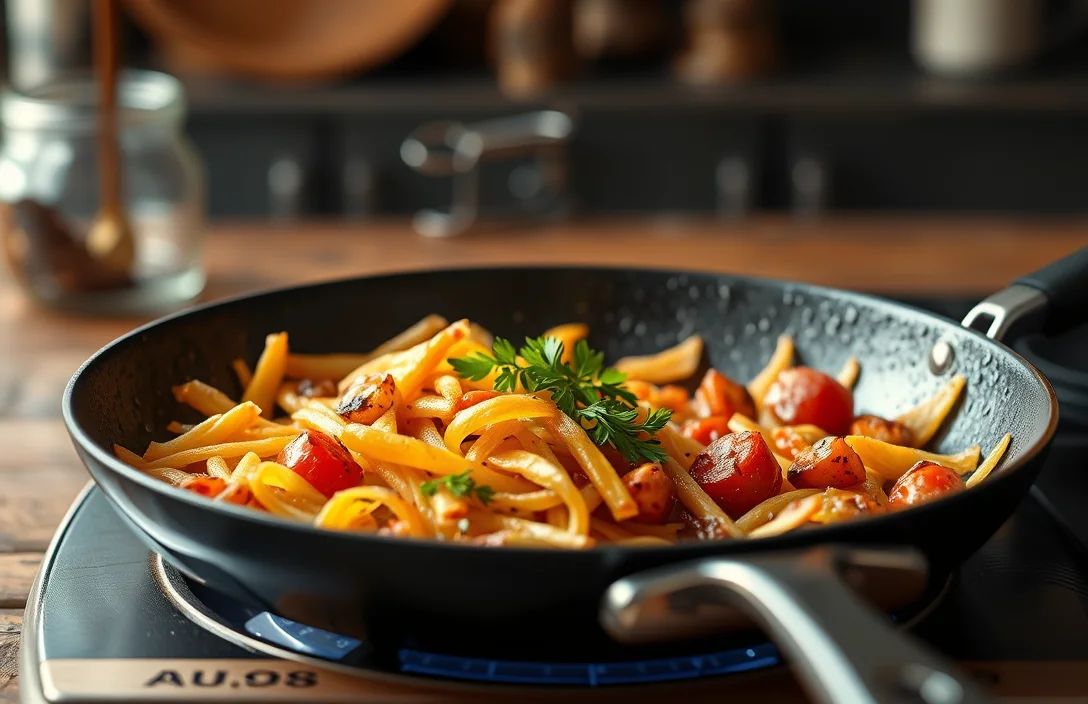
Statistics reveal that sautéing uses less oil than pan frying, making it a healthier cooking method. While both techniques involve cooking food in a pan, their differences can dramatically affect the flavor and texture of your meals. Understanding these methods can elevate your culinary skills.
Sautéing typically uses high heat and minimal oil, resulting in quick cooking that preserves nutrients. Conversely, pan frying involves more oil and lower heat, allowing food to crisp up. Both methods have distinct applications and will enhance your dishes in unique ways.
Defining Sautéing and Pan Frying
Sautéing involves cooking food quickly in a small amount of fat over relatively high heat. This technique often requires stirring or tossing the ingredients to ensure even cooking. Common foods sautéed include vegetables, proteins, and aromatics, which develop flavor and color in a short time.
Pan frying, in contrast, uses a moderate amount of fat and generally cooks food at a lower temperature than sautéing. This method allows for a more substantial cooking time, ideal for thicker cuts of meat or items that need to cook through without burning. Foods like chicken breasts or potatoes are often pan-fried to achieve a golden, crispy exterior.
Both techniques create distinct textures and flavors, but mastering them requires understanding their differences in heat, fat, and cooking time. Knowing these methods enriches your culinary repertoire, providing versatility in meal preparation. By recognizing how to apply each technique effectively, you can enhance the quality of your dishes significantly.
Comparing Cooking Times for Each Method
Cooking times vary significantly between sautéing and pan frying. Sautéing typically requires a shorter duration, usually between 5 to 10 minutes. This method uses high heat, allowing food to cook quickly while retaining moisture and flavor. In contrast, pan frying generally takes longer, often ranging from 10 to 20 minutes, depending on the thickness of the food.
- Sautéing vegetables takes about 5 minutes, providing quick cooking while maintaining crispness.
- Cooking thin cuts of meat can be done in approximately 6 to 8 minutes using sautéing.
- Pan frying thicker meats requires around 15 to 20 minutes, ensuring thorough cooking without burning.
- Seafood sautéing often completes in 3 to 6 minutes, perfect for shrimp or scallops.
- Pan frying fish fillets may take about 8 to 12 minutes, depending on the size and thickness.
Controlling Temperature in Cooking Techniques
Optimal results depend heavily on temperature management. Sautéing requires a high heat, typically around 375°F to 450°F, ensuring quick cooking and browning. In contrast, pan frying operates at a slightly lower temperature, usually between 325°F and 375°F, allowing for even cooking without burning. Mastering these temperature ranges is crucial for achieving the desired texture and flavor.
Maintaining consistent heat is essential. For sautéing, preheating the pan until it is hot before adding oil prevents sticking and promotes even cooking. In pan frying, it’s important to monitor the temperature closely, as too low can lead to greasy food while too high can cause burning. Using a thermometer can help you maintain these specific heat levels accurately.
Adjustments may be necessary during cooking. If food browns too quickly in sautéing, reduce the heat slightly to avoid burning while ensuring the inside cooks properly. For pan frying, if the food begins to stick or the oil smokes, lowering the heat can help maintain control. This attention to temperature will ensure your dishes turn out perfectly every time.
Identifying Best Foods for Sautéing
Vegetables and proteins shine in sautéing. Ideal choices include bell peppers, zucchini, and asparagus, which cook quickly and retain vibrant colors. Lean meats like chicken breast or shrimp also perform exceptionally well, absorbing flavors while staying tender. This technique enhances the natural taste of ingredients through high heat and minimal cooking time.
Broccoli florets and mushrooms excel too. Both offer a satisfying texture when sautéed, making them perfect companions for various dishes. Quick-cooking greens like spinach or kale are also suitable, wilting down beautifully while maintaining nutrients. Sautéing brings out their flavors without excessive moisture.
Seafood like scallops and fish fillets works wonderfully. Their delicate nature benefits from the quick cooking method, yielding a crispy exterior and tender inside. Accompanying ingredients, such as garlic or fresh herbs, further elevate the overall taste profile, enhancing the dish’s appeal.
Nuts and seeds can elevate sautéed dishes. Adding them towards the end of cooking provides a delightful crunch and additional flavor. Consider incorporating almonds or sesame seeds for a nutritious boost, ensuring a satisfying contrast in texture and taste.
Choosing Foods for Pan Frying
Meats, such as chicken, pork, and beef, excel in pan frying due to their ability to develop a crispy exterior while remaining juicy inside. The high heat quickly sears the surface, sealing in moisture and enhancing flavor. Opt for cuts like chicken thighs or pork chops, which benefit from this cooking method.
Vegetables also thrive when pan fried. Sturdy options like bell peppers, zucchini, and green beans maintain their texture while absorbing flavors from oils and seasonings. Cut them into uniform pieces to ensure even cooking, allowing them to caramelize beautifully.
Seafood, particularly shrimp and scallops, cooks perfectly in a hot pan. These proteins require minimal cooking time, making them ideal for quick meals. Ensure the pan is preheated to achieve that desirable golden crust without overcooking the delicate flesh.
Starchy ingredients, such as potatoes and grains, can also be pan fried. Parboil potatoes first for even cooking, then crisp them in the pan. Cooked grains like rice or quinoa can be sautéed with vegetables for a satisfying texture.
Eggs stand out as a versatile choice for pan frying. Scrambled, fried, or even frittatas can be created quickly. Use a non-stick surface to prevent sticking, allowing for easy flipping and perfect results.
Exploring Flavor Development and Health Benefits
Flavor profiles significantly differ between techniques. Sautéing retains more moisture, resulting in vibrant, fresh flavors. This method often enhances the natural taste of ingredients, allowing spices and herbs to shine through. Pan frying, by contrast, creates a crispy exterior, contributing to a rich, savory flavor that can sometimes overshadow the original ingredients.
Nutritional aspects also vary widely. Sautéing generally requires less oil, making dishes lighter and often lower in calories. Utilizing high heat briefly can preserve vitamins and minerals, promoting healthier meals. Conversely, pan frying typically involves more oil, leading to increased fat content. While it can create appealing textures, the health implications should be considered, especially for those monitoring fat intake.
Cooking methods impact overall dining experiences. Sautéed dishes usually present a fresh, bright quality, perfect for light meals or side dishes. In contrast, pan-fried options often serve as hearty main courses that satisfy cravings. Understanding these differences allows you to choose the appropriate technique based on desired outcomes, whether for flavor, health, or overall enjoyment.
Quick Summary
- Sauteing involves cooking food quickly over medium to high heat with a small amount of fat.
- Pan frying uses a larger amount of fat and typically cooks food at a lower temperature for a longer time.
- Sauteing is ideal for smaller, more delicate ingredients like vegetables and seafood.
- Pan frying is suited for larger or denser foods such as meats and potatoes that need thorough cooking.
- Both methods can achieve a crispy exterior, but sauteing often emphasizes the natural flavors of the ingredients.
- Sauteing usually requires constant stirring or tossing, while pan frying may require turning the food less frequently.
- Choosing between the two methods depends on the desired texture, cooking time, and type of food being prepared.
Frequently Asked Questions
What is the difference between sautéing and pan frying?
Sautéing involves cooking food quickly in a small amount of fat over relatively high heat, often stirring or tossing the food. Pan frying, on the other hand, uses more fat and typically cooks food at a slightly lower temperature, allowing for a crispier exterior.
What types of food are best for sautéing?
Sautéing is ideal for smaller, tender cuts of meat, vegetables, and seafood that cook quickly. Foods like mushrooms, bell peppers, and shrimp benefit from this method as they retain their moisture and flavor when cooked quickly.
What types of food are best for pan frying?
Pan frying is suited for larger or thicker cuts of meat, such as chicken breasts or pork chops, which require more time to cook through. It also works well for foods like pancakes or fritters that benefit from a crispy exterior while remaining tender inside.
Can you use the same pan for both sautéing and pan frying?
Yes, you can use the same pan for both methods, but it’s important to adjust the amount of fat and cooking temperature accordingly. A skillet with a heavy bottom is ideal for both techniques as it helps with even heat distribution.
Which method is healthier: sautéing or pan frying?
Sautéing is generally considered healthier because it uses less fat and cooks food quickly, preserving more nutrients. Pan frying, while delicious, often requires more oil, which can increase calorie content, especially if the food absorbs excess fat.
