
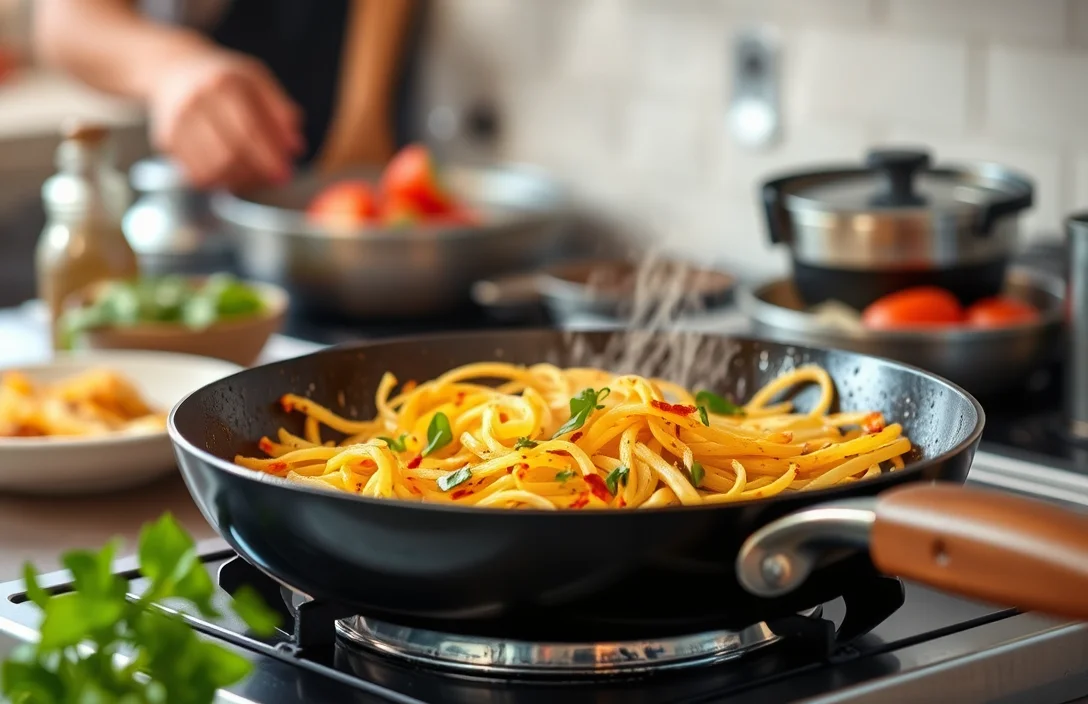
Seventy percent of American households use pan frying as their preferred cooking method, highlighting its popularity and practicality. While this technique offers quick meal preparation and enhanced flavor, it also carries potential health risks, making it essential to weigh both benefits and drawbacks carefully.
Cooking methods like pan frying provide flavor enhancement, quick meal preparation, and versatility. However, risks include excessive fat intake and potential formation of harmful compounds. Understanding these factors can help you make informed choices for healthier eating.
Health Benefits of Pan Frying
Pan frying preserves essential nutrients effectively. Cooking methods that use less water, like this technique, help retain vitamins and minerals in food. For example, sautéing vegetables in a small amount of oil can keep their nutrients intact while enhancing flavor.
Flavor enhancement occurs through the Maillard reaction. This chemical reaction creates delicious flavors and aromas when proteins and sugars in food react under heat. Pan frying allows for a crispy exterior while maintaining tenderness inside, making meals more enjoyable.
- Quick cooking times save energy.
- Less oil is required compared to deep frying.
- Versatility allows for various ingredients.
- Improves texture for meats and vegetables.
Healthier oil options exist for pan frying. Using oils with high smoke points, like avocado or olive oil, not only reduces unhealthy compounds but also provides beneficial fats. These fats can contribute positively to heart health.
Efficient cooking promotes better meal preparation. Quick pan frying helps busy individuals create nutritious meals in a short time. With minimal cleanup, this method fits seamlessly into a modern lifestyle.
Common Risks Associated with Pan Frying
Excessive heat during pan frying can produce harmful compounds. High temperatures may lead to the formation of acrylamide, a substance linked to cancer. To minimize this risk, avoid cooking starchy foods at very high temperatures. Keeping the heat moderate can help reduce the likelihood of these harmful byproducts.
Overcooking food is another significant concern. Cooking items beyond their ideal temperature can lead to nutrient loss and create potentially toxic compounds. Monitoring food closely and using a thermometer can ensure proper cooking without compromising health.
Using the wrong oils increases health risks. Oils with low smoke points can break down, releasing harmful substances. Opting for oils with higher smoke points, such as avocado or grapeseed oil, can help maintain a healthier cooking environment. Always check the oil’s suitability for frying to avoid adverse effects.
Cross-contamination poses additional risks. Mixing raw and cooked foods can lead to foodborne illnesses. Always use separate utensils and surfaces for raw ingredients and ensure proper cooking temperatures to eliminate harmful bacteria.
Ignoring portion control can lead to unhealthy eating patterns. Pan frying often results in calorie-dense meals that can contribute to weight gain. Being mindful of serving sizes while cooking can help maintain a balanced diet without sacrificing flavor.
Best Oils for Optimal Pan Frying
Variety of oils can enhance flavor and health during pan frying. Selecting oils with high smoke points ensures stability at cooking temperatures. Common options include canola, peanut, and avocado oil. These oils not only resist breaking down but also provide distinct flavors that complement various dishes.
Canola oil stands out for its neutral taste and high smoke point around 400°F (204°C). This versatility makes it ideal for frying everything from vegetables to proteins. Its low saturated fat content also contributes to healthier cooking.
Peanut oil is another excellent choice, especially for Asian-inspired dishes. With a smoke point of approximately 450°F (232°C), it withstands high heats while imparting a slightly nutty flavor. This oil works well for frying meats, giving them a delightful crispiness.
Avocado oil offers rich flavor and health benefits. Boasting a smoke point of about 520°F (271°C), its nutrient profile includes monounsaturated fats, which are known for heart health. This oil enhances both taste and nutritional value in pan fried meals.
Olive oil can also be used, particularly when frying at lower temperatures. Extra virgin varieties provide robust flavor while offering antioxidants. Keep in mind its smoke point, which is lower than others at around 375°F (191°C), making it suitable for sautéing rather than high-heat frying.
Temperature Control Techniques for Pan Frying
Monitoring oil temperature ensures optimal frying. Use a thermometer to check the heat level, aiming for 350°F to 375°F for most foods. This range provides a crisp texture while preventing excessive oil absorption. Proper temperature control enhances flavor and maintains the integrity of your ingredients.
Adjusting the flame is crucial. Start with a high flame to quickly heat the oil, then reduce it as necessary. This technique prevents overheating and minimizes the risk of burning the food. Consistent attention to heat helps achieve a golden-brown exterior without overcooking.
Using a test piece can be effective. Drop a small piece of food into the oil to see if it sizzles immediately; if it does, the temperature is right. This simple method helps avoid the frustration of undercooked or overcooked dishes.
Stirring the food during frying is beneficial. Regularly moving the ingredients ensures even cooking and prevents sticking. It also helps maintain a consistent temperature throughout the pan, leading to better results in terms of texture and flavor.
Covering the pan partially can aid in heat retention. This technique keeps the temperature stable while allowing steam to escape, which is important for achieving that desirable crispiness. Just be cautious not to trap too much moisture, as it can affect the final product.
Nutritional Impact Compared to Other Cooking Methods
Pan frying significantly influences the nutritional profile of food compared to other cooking methods. While it can enhance flavor through caramelization and browning, the introduction of cooking oils can increase calorie and fat content. Understanding these differences helps in making informed dietary choices.
- Calories increase due to oil absorption. Foods cooked in oil absorb fats, which can lead to higher calorie consumption compared to methods like boiling or steaming.
- Vitamins may degrade at high temperatures. Pan frying can reduce some heat-sensitive vitamins, such as vitamin C and certain B vitamins, which remain intact in steaming.
- Flavor enhancement occurs through browning. The Maillard reaction, which occurs during pan frying, creates complex flavors and appealing textures that other methods may not achieve.
- Texture changes impact satisfaction. Pan frying creates a crispy exterior while keeping the interior moist, which can enhance overall meal enjoyment compared to softer methods like boiling.
- Fat quality matters for health. Choosing healthier oils, such as olive or avocado oil, can mitigate some risks associated with pan frying, making it a more nutritious option.
Tips for Safe and Effective Pan Frying
Maintain consistent oil temperature during cooking. Heating oil too much can lead to smoke and burnt flavors, while too low a temperature can result in soggy food. Use a thermometer to ensure oil remains between 350°F to 375°F for optimal frying. This temperature range allows for a crispy exterior without overcooking the interior.
Opt for the right oil for your needs. Choose oils with high smoke points like canola, peanut, or avocado oil. These oils withstand high temperatures without breaking down, ensuring better flavor and texture. Avoid oils with low smoke points, like olive oil, as they can burn and create off-flavors.
Use a splatter guard to minimize mess. Frying often results in oil splatters, which can lead to burns and kitchen chaos. A guard helps contain the oil while allowing steam to escape, keeping your cooking area cleaner and safer.
Ensure food is patted dry before frying. Excess moisture can cause hot oil to splatter, posing a safety risk and compromising the crispiness of your dish. Use paper towels to remove moisture from protein or vegetables before they hit the pan.
Practice safe handling of hot pans. Always use oven mitts to avoid burns, and place pans on stable surfaces. Be cautious of steam and hot oil when adding food to the pan, as they can cause serious burns if not managed properly.
Quick Summary
- Pan frying enhances flavor through browning, creating a rich taste.
- It requires less oil than deep frying, making it a lower-fat cooking option.
- Quick cooking times help retain nutrients in vegetables and proteins.
- Risk of unhealthy fat formation if oils are overheated or reused multiple times.
- The cooking method can lead to higher calorie content compared to boiling or steaming.
- Proper temperature control is essential to avoid burning food or creating harmful compounds.
- Using healthier oils, like olive or avocado oil, can mitigate some health risks.
Frequently Asked Questions
What are the benefits of pan frying?
Pan frying is a quick cooking method that allows for better flavor retention and can produce a crispy texture. It also requires less oil compared to deep frying, making it a healthier alternative while still achieving delicious results.
Is pan frying healthier than deep frying?
Yes, pan frying typically uses less oil than deep frying, which can reduce the overall fat and calorie content of the dish. Additionally, pan frying allows excess fat to render off, leading to a lighter meal.
What types of oils are best for pan frying?
Oils with high smoke points, such as canola, vegetable, or avocado oil, are ideal for pan frying as they can withstand the heat without breaking down. Olive oil can also be used, but it’s best for lower-temperature frying to avoid burning.
Are there any risks associated with pan frying?
One risk of pan frying is the potential for the formation of harmful compounds if oils are overheated or reused multiple times. Additionally, if not done carefully, pan frying can lead to splattering hot oil, which poses a burn risk.
How can I make pan frying healthier?
To make pan frying healthier, use minimal oil, choose healthier oils, and incorporate plenty of vegetables. Also, consider using non-stick pans to reduce the need for oil and avoid overcooking to maintain the nutrients in your food.
