
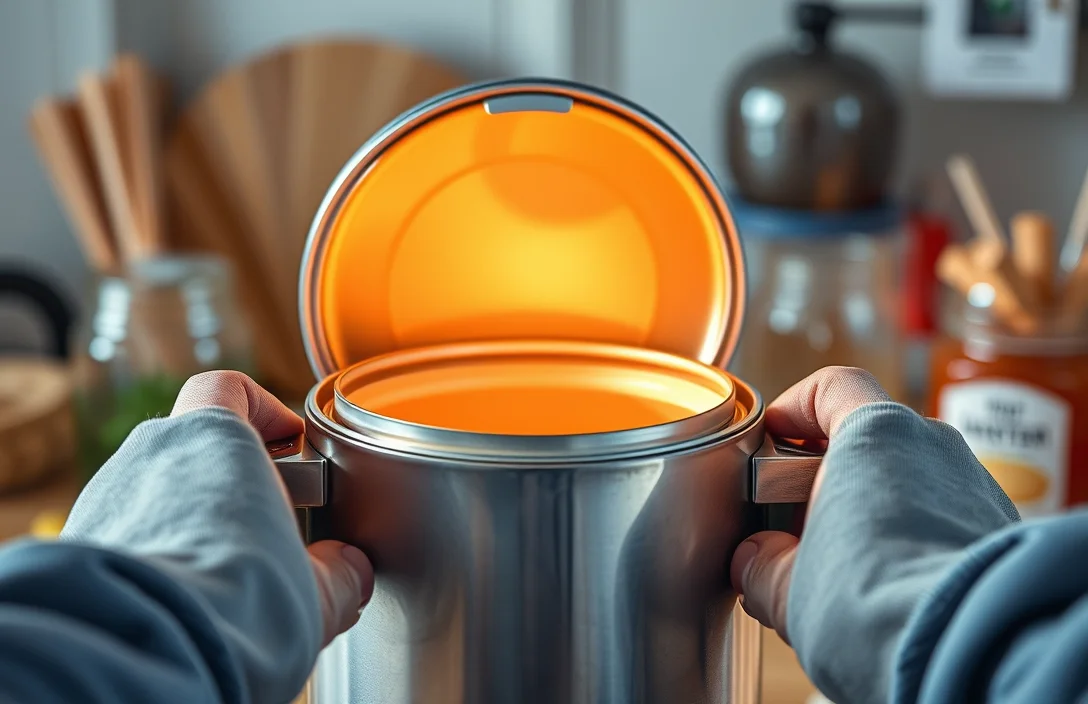
Nearly 75% of home cooks encounter difficulty opening lids, leading to frustration and potential spills. Knowing effective techniques can save time and keep your kitchen safe. Mastering these methods not only enhances your cooking experience but also builds confidence in tackling kitchen tasks.
Essential techniques include using rubber grippers for extra grip, running lids under hot water to loosen seals, and tapping edges gently with a utensil to break the vacuum. Visual aids like videos can further simplify these methods for better understanding.
Identifying Common Lid Types and Materials
Glass lids provide visibility while cooking and are often found on pots and pans. They can be tricky to open if they create a vacuum seal. To release the pressure, gently tap the edge of the lid with a wooden spoon or use a butter knife to create a small gap. This will allow air to enter and make it easier to lift off.
Plastic lids are lightweight and commonly used on containers for leftovers or snacks. They can warp over time, making them difficult to twist off. Try running warm water over the lid for a few seconds to soften the material, which will allow for a smoother opening experience.
Metal lids, such as those on jars, often require a bit more effort. A simple technique involves tapping the side of the jar with a spoon or using a rubber band for grip. Applying pressure on the lid while twisting can also help break the seal.
Cork lids are typically used on bottles, like wine. To remove these, use a corkscrew or a specialized bottle opener to avoid damaging the cork or the bottle. For stubborn corks, gently twist while pulling upwards to loosen it.
Child-proof lids are designed to prevent young ones from opening containers. These lids usually require pressing down while turning. Practice this motion to become comfortable with the technique, making it easier to access what’s inside.
Employing Tools for Stubborn Lids
Adjustable jar openers provide excellent assistance with tough lids. These tools come with rubberized grips that help you gain leverage without straining your hands. To use one, simply place the adjustable grip over the lid, twist the handle, and apply pressure until it loosens. It’s a simple yet effective way to tackle stubborn containers.
Rubber mats are another handy option for opening difficult lids. They create friction between your hand and the lid surface, reducing slippage. Just place the mat over the lid and twist firmly. This method works well for glass jars and plastic containers alike.
Specialized lid lifters can help safely break the vacuum seal on jars. These tools typically feature a pointed tip that you can insert under the lid to release the pressure. Once the seal is broken, you can easily twist off the lid without risking injury or damage.
Kitchen towels can also be used to improve grip. Simply fold the towel and wrap it around the lid for extra traction. This technique works especially well with slick or metal lids, allowing you to twist with confidence.
Finally, consider investing in a multi-tool that includes a bottle opener. These versatile devices often have various attachments specifically designed for different lid types. They’re great for multitasking and can save space in your kitchen drawer.
Applying Heat and Cold Techniques
Applying heat or cold can effectively loosen stubborn lids. For heat, run the lid under hot water for 30 seconds. Ensure the water is not boiling, as excessive heat can warp the lid. This method works well for metal jars and bottles.
Chilling is another effective technique. Place the container in the freezer for about 10-15 minutes. Cold causes contraction, making the lid easier to twist off. Make sure the container is not glass, as rapid temperature changes can break it.
Using a hairdryer is another option. Direct the warm air at the lid for about 20 seconds. This method is particularly good for plastic lids. Always keep the hairdryer at a safe distance to prevent melting or warping.
Remember to test the lid after each method. If it still resists, try combining techniques. For example, start with heat and follow up with a cooling period. This combination can create a greater difference in temperature, helping to break the seal.
Implementing Safety Tips for Lid Opening
Employ proper safety measures while opening lids to avoid injury and damage. Always ensure your hands are dry to prevent slipping. If using tools, keep them away from your fingers and body. Wearing protective gloves can also shield your hands from sharp edges or sudden slips.
- Use a towel for grip. Wrapping a towel around the lid can enhance your hold and provide extra traction. This minimizes the risk of your hand slipping during the process.
- Secure the container on a stable surface. Placing the container on a non-slip mat or a damp cloth can prevent it from moving around while you work on the lid.
- Angle your body away from the lid. Positioning yourself to the side reduces the chance of injury if the lid suddenly pops off or breaks.
- Check for sharp edges. Before attempting to remove a lid, inspect it for any jagged or broken areas that could cause cuts. If you find any, consider using gloves or a protective cover.
- Keep children and pets away. Always ensure that your cooking area is clear of distractions. This helps you focus on safely opening the lid without accidents.
Preventing Damage to Containers
Applying heat can effectively loosen stubborn lids. Warm water works best for metal or glass containers. Simply fill a bowl or sink with hot water, then submerge the lid for about 30 seconds. This method expands the metal slightly, making it easier to twist off without damage. Always ensure the container itself is not submerged to prevent any water from entering.
Employing rubber grips can offer better traction. Use a rubber band or a specialized jar opener, which creates a non-slip surface. Place it over the lid, then twist counterclockwise. This technique minimizes the risk of slipping, reducing the chance of injury or damage to the container.
Using a spoon can help break the seal. Slide the edge of a spoon under the lid’s rim and gently pry it upwards. This action creates a gap that allows air to enter. Once the pressure is released, the lid should twist off more easily, preventing any cracks or breaks.
Incorporating towel wrapping can improve grip. Wrap a kitchen towel around the lid for extra friction. This approach not only enhances your grip but also protects your hands from slipping or pinching, making the task smoother and safer.
Mastering Tips for Jars and Bottles
Heating the lid can effectively loosen its grip on the container. Use hot water or a hairdryer to apply heat directly to the lid for 30 seconds. Ensure the container itself is not heated as this could cause damage. The heat will cause the metal or plastic to expand, making it easier to twist open.
Employing a towel can provide a better grip on stubborn lids. Wrap a dish towel around the lid and twist. This extra friction minimizes slipping and allows for a stronger grip. If the lid remains stuck, try pulling the towel for additional leverage while turning the lid. This method reduces strain on your hands.
Consider tapping the lid gently with a wooden spoon. This method can break the vacuum seal that often keeps a lid tightly in place. Tap around the edges of the lid, applying a bit more force as needed. Be cautious to avoid damaging the container. This technique is especially useful for jars with metal lids.
Utilizing Grip Aids or Helpers
Grip aids can significantly improve your ability to open stubborn lids. Tools like jar openers, rubber grips, or even silicone mats provide extra traction and leverage, making the task much easier. These items are designed to fit comfortably in your hand while enhancing your grip on the lid.
Rubber jar openers are particularly effective. Simply place the opener over the lid and twist. This method allows for better control and minimizes the risk of slipping or straining your wrist. They often come in various sizes to accommodate different lid types.
Silicone mats offer another excellent solution. Lay the mat flat on your counter, place the container on top, and use both hands to twist the lid off. The mat’s texture prevents slipping and gives you a firm hold on the container, making it easier to apply the necessary pressure.
Consider using kitchen towels as a simple grip aid. Wrapping a towel around the lid can enhance your grip while also protecting your hands from sharp edges. This household item is readily available and provides a quick fix for those stubborn lids.
Recognizing When to Seek Professional Help
Recognizing safety concerns is essential. If you find yourself struggling repeatedly to open a lid and risk injury, it’s time to seek professional assistance. This could mean asking a friend for help or consulting a kitchen expert. Ignoring persistent issues can lead to frustration or accidents, making it critical to prioritize your safety.
Assessing the container type can guide your decision. Certain jars or lids might be specifically designed to be difficult to open, especially if they are vacuum-sealed or require specialized tools. If you encounter frequent problems with specific items, consider reaching out to the manufacturer or looking for professional advice on best practices for those types of containers.
Considering alternative solutions can also help. In some cases, investing in specialized lid-opening tools might be beneficial. If you continue to struggle without improvement, seeking advice about ergonomic options or solutions tailored to your needs may enhance your cooking experience significantly.
Quick Summary
- Identify the type of lid: twist-off, pop-off, or screw-on.
- Use the appropriate tool if necessary, such as a jar opener or a butter knife.
- Apply pressure to the lid while turning it in the correct direction (usually counterclockwise).
- If the lid is stuck, run it under hot water to expand the material.
- For pop-off lids, use the edge of a countertop or a bottle opener for leverage.
- Be cautious of sharp edges when using tools to pry open lids.
- Always ensure your hands are dry for a better grip on the lid.
Frequently Asked Questions
How do I open a tight jar lid?
If a jar lid is too tight, try tapping the edge of the lid with a spoon or using a rubber jar opener for better grip. You can also run the lid under hot water for a few seconds, which can help expand the metal and make it easier to twist off.
What should I do if a pot lid is stuck?
For a stuck pot lid, gently try twisting it while pulling upwards. If it remains stuck, you can carefully slide a thin plastic spatula around the edge to break the seal created by steam or food residue.
How can I safely open a can?
To open a can safely, use a can opener that cuts the lid without leaving sharp edges. Once the lid is cut, use a fork or spoon to lift it off, being cautious of any sharp bits that may remain attached.
What is the best way to remove a child-proof medicine bottle lid?
For child-proof lids, press down on the lid while simultaneously turning it counterclockwise. This dual action unlocks the lid, allowing you to open it easily without excessive force.
How do I open a plastic container with a sealed lid?
If a plastic container lid is sealed tightly, try to pry it open by inserting a spoon or a butter knife at the edge. If that doesn’t work, you can run the lid under hot water for a few moments to loosen the seal before attempting to twist it off again.
