
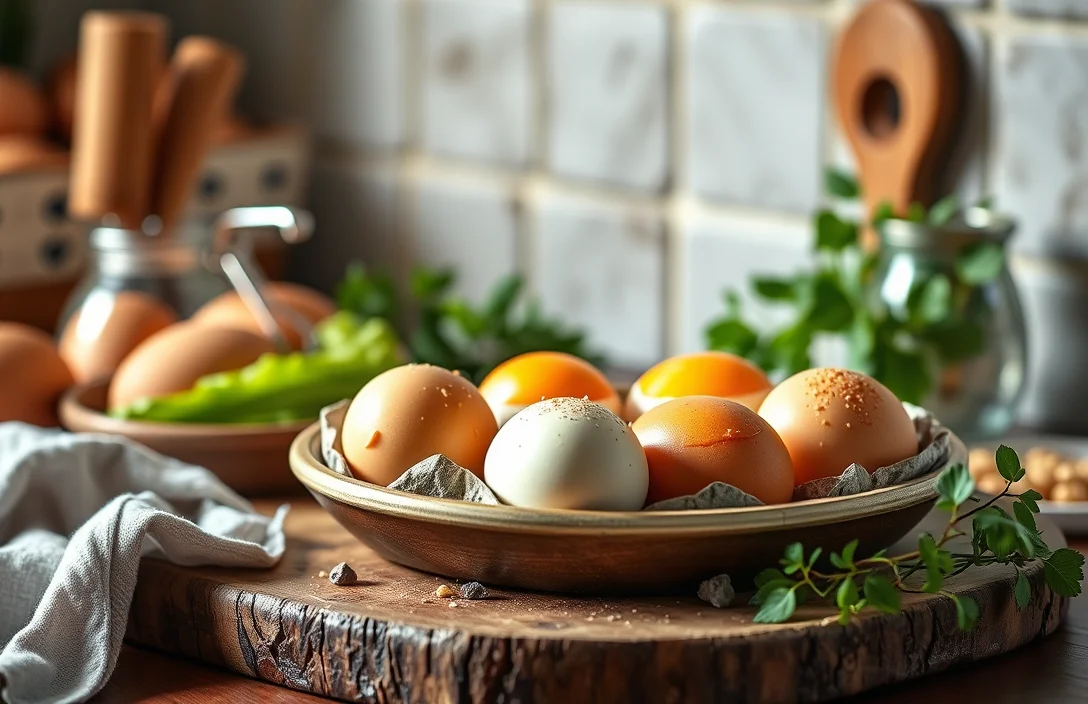
Perfect eggs can elevate any meal, with scientific studies revealing that the ideal cooking temperature is around 160°F. Mastering this skill not only enhances flavor but also ensures food safety. With the right techniques, anyone can achieve egg perfection in their own kitchen.
Starting with fresh eggs is crucial. Control the temperature and timing for your preferred style, whether poached, scrambled, or fried. Experiment with different seasonings and cooking methods to discover what suits your taste best.
Choosing the Right Types of Eggs
Egg types significantly influence cooking results. Fresh, organic eggs often deliver richer flavors and better textures. Free-range options provide hens with more natural diets, enhancing taste and nutrition. Specialty varieties like pastured eggs can also offer unique flavors due to varied diets.
Brown and white eggs vary mainly in shell color, not quality. Nutritional content remains similar regardless of the shell color. Some people believe brown eggs are healthier, but the difference lies in hen breed, not egg quality.
Enriched eggs, often labeled as omega-3 or vitamin D fortified, enhance nutritional value. These eggs come from hens fed specific diets, leading to higher levels of beneficial nutrients. For health-conscious cooks, these varieties provide added benefits without sacrificing flavor.
Ultimately, selecting high-quality eggs improves overall dish quality. Opt for local sources when possible, as freshness impacts both taste and texture. Farmer’s markets often feature eggs from local farms, ensuring superior quality compared to mass-produced options.
Ensuring Egg Freshness and Quality
Fresh eggs significantly enhance the flavor and texture of your dishes. Selecting the best possible quality ensures that the end result is fluffy and delicious. Key indicators of freshness include the pack date and the sell-by date. Always opt for eggs that are as recent as possible to achieve optimal results.
- Check the pack date first. Eggs typically remain fresh for about 3-5 weeks after this date. Freshness declines as time passes.
- Inspect the shell for cracks. A clean, unbroken shell indicates intact quality, while cracks can invite bacteria and spoilage.
- Perform the water test. Place an egg in a bowl of water; if it sinks and lays flat, it’s fresh. If it stands upright or floats, it’s best discarded.
- Consider the source carefully. Eggs from pasture-raised or organic farms often yield superior taste and quality due to better hen diets.
- Smell before cracking. A fresh egg has little to no odor, while a spoiled egg emits a distinct sulfur smell.
Freshness directly impacts the cooking process and the final dish. Quality eggs contribute to the desired fluffiness and overall satisfaction when making perfect eggs.
Exploring Cooking Methods for Eggs
Whisking eggs thoroughly ensures fluffiness. Begin by cracking eggs into a bowl and using a whisk or fork to beat them vigorously. Incorporate air into the mixture, which enhances the texture during cooking. Aim for a homogenous blend without visible streaks of yolk or white. This step lays the foundation for producing light and airy eggs.
Steaming offers a unique alternative. Place a steamer basket over simmering water and add your whisked eggs. Cover and allow them to cook gently. This method prevents overcooking and results in tender, fluffy eggs. Adjust the steaming time based on your desired doneness, usually around 6-8 minutes for soft-set eggs.
Scrambling can be perfected using low heat. Begin cooking whisked eggs in a non-stick skillet over medium-low heat. Stir gently and consistently, allowing curds to form slowly. This technique promotes even cooking and prevents rubbery textures. Patience is key; take your time for the best results.
Baking provides a hands-off approach. Pour whisked eggs into a greased baking dish, add seasonings, and bake at 350°F (175°C) until set. This method yields a custard-like consistency, perfect for brunch gatherings. Experiment with added ingredients like cheese, herbs, or vegetables for variety.
Poaching results in delicate eggs. Bring water to a gentle simmer, add a splash of vinegar, and create a whirlpool in the pot. Carefully drop in the eggs and cook for about 3-4 minutes. Poached eggs offer a silky texture and are ideal for dishes like Eggs Benedict.
Maintaining Optimal Cooking Temperatures
Cooking eggs requires precise temperatures to ensure perfect texture and taste. For scrambled eggs, aim for a range of 70-80°C (160-175°F). This temperature allows proteins to set gently, creating a creamy consistency without overcooking.
Sunnyside-up eggs benefit from heat around 65-70°C (150-160°F). Cooking at this temperature preserves the runny yolk while ensuring the whites are fully cooked. Use a lid to trap steam if necessary, which helps cook the whites without increasing the overall temperature too much.
Soft-boiled eggs should simmer in water at 85-90°C (185-194°F) for 6-7 minutes. This method yields a firm white and a perfectly runny yolk. Timing is crucial, so prepare an ice bath for immediate cooling after boiling.
For poached eggs, maintain water at 80-85°C (175-185°F). This gentle simmer allows the egg to set without breaking apart. Adding a splash of vinegar can help the whites coagulate more quickly, resulting in neater poached eggs.
Fried eggs require careful temperature control as well. Keep the oil at 170-190°C (340-375°F) to ensure crisp edges while the yolk remains runny. Adjust the heat as needed to avoid burnt edges or undercooked centers.
Timing Techniques for Various Styles
Soft-boiled eggs require precise timing. Cook them in gently boiling water for exactly 6 to 7 minutes for a runny yolk and set white. Immediately after cooking, transfer eggs to an ice bath to halt further cooking. This technique guarantees a perfect consistency without overcooking.
Hard-boiled eggs need a longer duration. Allow them to simmer for 9 to 12 minutes, depending on the desired firmness. After cooking, place them in cold water to make peeling easier. Timing is crucial here to avoid rubbery yolks.
Scrambled eggs respond well to low heat. Whisk them thoroughly and cook on medium-low for about 5 to 7 minutes, stirring frequently. This approach ensures fluffy, creamy results instead of dry, overcooked eggs. Adjust the cooking time based on the desired texture.
Incorporating Seasoning and Flavoring
Seasoning enhances eggs significantly, making them more flavorful. Start by adding salt and pepper before or after cooking. Use kosher salt for better texture control and freshly cracked black pepper for a robust flavor. This foundational seasoning is crucial for achieving delightful results in your egg dishes.
- Experiment with herbs to elevate flavor. Fresh herbs like chives, parsley, or dill add brightness and complexity. Incorporate them into scrambled eggs or as a garnish on omelets for an aromatic touch.
- Incorporate spices for added depth. Consider paprika, cayenne, or cumin to introduce warmth and character. A pinch can transform a simple dish into an exciting culinary experience.
- Try cheeses to enhance richness. Feta, cheddar, or parmesan can provide creaminess and flavor. Fold cheese into scrambled eggs or sprinkle on top of a frittata for satisfying results.
- Utilize sauces for a flavor boost. Hot sauce, soy sauce, or pesto can add exciting layers. Drizzle over cooked eggs or mix into the dish for a punch of flavor.
- Combine vegetables for texture and taste. Sautéed onions, bell peppers, or spinach contribute both nutrition and flavor. Mix them into omelets or scrambles for a hearty meal.
Avoiding Common Egg Cooking Mistakes
Overcooking eggs results in a rubbery texture and unpleasant flavor. Perfect eggs require careful attention to cooking times. Monitor them closely, whether boiling, scrambling, or frying, to ensure they remain tender and fluffy. Setting a timer can help, but visual cues also matter. For instance, scrambled eggs should remain slightly glossy when removed from heat.
- Misjudging heat levels leads to uneven cooking. Use medium-low heat for scrambling and frying to prevent scorching. High heat can quickly ruin the delicate proteins in eggs.
- Skipping preheating pans causes sticking. Always ensure your frying pan or skillet is adequately heated before adding eggs. A drop of water should sizzle when the surface is ready.
- Neglecting to season at the right time results in bland eggs. Sprinkle salt and pepper just before serving to enhance flavor without drawing out moisture during cooking.
- Using fresh eggs directly from the fridge can complicate frying. Allow them to sit at room temperature for about 15 minutes beforehand. This adjustment helps achieve better results.
- Rushing the cooking process can lead to mistakes. Give yourself enough time to prepare. Getting everything ready beforehand ensures you can focus on cooking without interruptions.
Quick Summary
- Choose fresh eggs for the best flavor and texture.
- Adjust cooking time and temperature for different styles (boiled, scrambled, fried).
- Use the right amount of fat (butter or oil) to prevent sticking and enhance flavor.
- Season eggs with salt and pepper before or after cooking for optimal taste.
- For scrambled eggs, stir gently and cook slowly for a creamy texture.
- Experiment with herbs, cheese, or vegetables to add variety to your egg dishes.
- Practice makes perfect; don’t be afraid to try different techniques to find your ideal method.
Frequently Asked Questions
What are the best types of eggs to use for cooking?
Fresh, high-quality eggs are ideal for cooking. Look for eggs that are free-range or organic, as they tend to have better flavor and texture.
How do I boil eggs to get the perfect hard or soft yolk?
For hard-boiled eggs, place them in cold water, bring to a boil, then simmer for 9-12 minutes. For soft-boiled eggs, simmer for about 6-7 minutes, then transfer to an ice bath to stop cooking.
What is the secret to making fluffy scrambled eggs?
To achieve fluffy scrambled eggs, whisk in a splash of milk or cream before cooking. Cook over low heat and stir gently, allowing the eggs to cook slowly and maintain moisture.
How do I fry an egg without it sticking to the pan?
Use a non-stick skillet and preheat it before adding a small amount of oil or butter. Make sure the fat is hot before cracking in the egg to ensure it doesn’t stick.
Can I make eggs in advance and reheat them later?
Yes, you can make scrambled eggs or hard-boiled eggs in advance. For reheating, use low heat on the stovetop or a microwave, but be careful not to overcook them, as they can become rubbery.
