
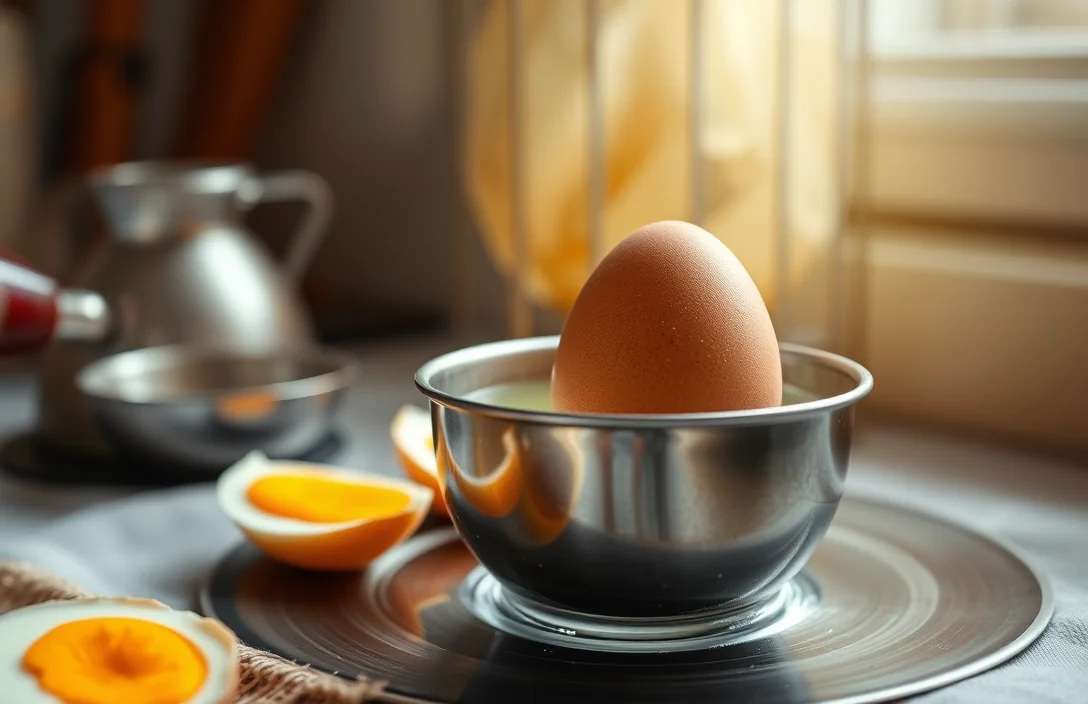
Seventy percent of people struggle with boiling eggs perfectly. A seemingly simple task often leads to overcooked, rubbery whites or runny yolks. Mastering this skill can elevate your breakfast and recipes, ensuring delicious results every time.
Boiling an egg requires proper timing, temperature control, and fresh eggs. Start by placing eggs in cold water, bring to a boil, then adjust the heat. Follow specific times for desired doneness.
Choosing Quality Eggs for Boiling
Select fresh eggs for boiling. Freshness ensures better texture and flavor. Check the sell-by date on the carton; eggs are typically best used within a week or two of that date. Fresher eggs produce a firmer white and yolk, which helps maintain shape during the boiling process.
Look for clean, uncracked shells. Damaged shells can introduce bacteria, compromising the quality and safety of the boiled egg. Inspect your eggs carefully; any visible cracks or dirt indicate that they may not be suitable for boiling.
Consider purchasing organic or free-range eggs. These options often come from healthier hens, leading to superior taste and nutrition. While they may cost more, the enhanced flavor and quality can make a noticeable difference in your final dish.
Evaluate the size of eggs. Medium and large eggs are standard for boiling, providing a good balance between cooking time and texture. Smaller eggs may require adjustments in cooking time to achieve your desired doneness.
Understanding Boiling Water Temperature
Boiling water temperature is crucial for perfect results. Water reaches its boiling point at 100°C (212°F) at sea level. This consistent temperature ensures that the eggs cook evenly and thoroughly, preventing issues like rubbery textures or undercooked centers.
Adjustments may be necessary based on altitude. At higher elevations, water boils at lower temperatures due to reduced atmospheric pressure. For instance, if you’re at 5,000 feet, water boils around 95°C (203°F). This can impact cooking times and egg consistency, so it’s vital to account for your location.
Utilizing a thermometer can help monitor water temperature accurately. A simple kitchen thermometer can provide precise readings, ensuring your water is at the optimal boiling point before adding eggs. This step significantly contributes to achieving the desired doneness and texture.
Maintaining a rolling boil is essential during cooking. Once the water reaches boiling, adding eggs should not lower the temperature drastically. For best outcomes, add eggs gently and keep the water bubbling consistently to facilitate even cooking.
Determining Cooking Time for Egg Types
Cooking times vary based on egg size and desired doneness. Follow these guidelines to achieve the perfect boiled egg based on your specific preferences. Use the following list to determine how long to cook each size of egg for soft, medium, or hard-boiled results.
- Small eggs: For soft-boiled, cook for 4 minutes; medium-boiled requires 6 minutes; hard-boiled takes 8 minutes.
- Medium eggs: Soft-boiled should be cooked for 5 minutes, medium-boiled for 7 minutes, and hard-boiled for 9 minutes.
- Large eggs: For soft-boiled, 6 minutes is sufficient; medium-boiled requires 8 minutes, while hard-boiled takes around 10 minutes.
- Extra-large eggs: Cook soft-boiled for 7 minutes, medium-boiled for 9 minutes, and hard-boiled for 11 minutes.
- Jumbo eggs: Soft-boiled needs 8 minutes, medium-boiled requires 10 minutes, and hard-boiled takes about 12 minutes.
Adjust cooking times based on altitude and personal preference. Test a few eggs to determine your ideal doneness and cooking duration.
Utilizing an Ice Bath After Boiling
Cooling eggs rapidly in an ice bath significantly enhances peeling and texture. Immediately transfer boiled eggs into a bowl filled with ice and cold water. This method stops the cooking process, preventing overcooking and helping maintain the desired doneness. Cooling eggs quickly also makes the shells easier to remove, giving you a smooth, flawless finish.
Applying an ice bath provides several benefits:
- Prevents overcooking, ensuring perfect yolks.
- Reduces the chances of a green ring around yolks.
- Facilitates easier peeling by contracting the egg inside the shell.
Timing is crucial for the ice bath. Ideally, let the eggs sit in the cold water for about 5-10 minutes. This duration allows the eggs to cool thoroughly, making peeling a breeze. Cold water also firms up the egg whites, yielding a better texture when finished. Incorporating this step will enhance your overall experience with boiling eggs.
Mastering Peeling Techniques for Eggs
Start peeling immediately after cooling. The ice bath helps separate the membrane from the shell, making it easier to remove. Begin by gently tapping the egg on a hard surface to create small cracks. This technique minimizes damage to the egg white while allowing air to escape.
Employ the following methods for effective peeling:
- Roll the egg gently on the counter to crack the shell evenly.
- Peel under running water to wash away shell fragments and ease the process.
- Start peeling from the wider end where the air pocket is located.
Keep eggs aged for easier peeling. Fresh eggs tend to stick to their shells due to the pH level of the egg white; older eggs have a higher pH, making them easier to peel. Aim for eggs that are at least a week old for optimal results.
Practice these techniques to enhance peeling efficiency. Mastering these skills will lead to perfectly intact boiled eggs with minimal effort, ensuring beautiful presentations for any dish.
Storing Boiled Eggs Properly
Boiled eggs require careful storage to maintain freshness and safety. After cooking, let them cool completely before storing to prevent condensation inside the container. Placing warm eggs in the fridge can create moisture, leading to spoilage.
Refrigeration is essential for preserving boiled eggs. Store them in a covered container to avoid any absorption of odors from other foods. Keeping them in their shells until ready to eat helps maintain quality and prevents them from drying out.
Labeling containers with the date can help track freshness. Boiled eggs generally remain safe for consumption for up to one week if stored correctly in the refrigerator. Discard eggs that have an off smell or unusual appearance.
Freezing boiled eggs is not recommended. The texture may become rubbery upon thawing, diminishing their quality. Instead, enjoy them fresh or incorporate them into various dishes within the recommended storage timeframe.
Exploring Nutritional Benefits of Eggs
Boiled eggs offer numerous health advantages, making them a popular choice for many. Packed with high-quality protein, they provide essential amino acids crucial for muscle repair and growth. A single large egg contains about 6 grams of protein, helping to keep you feeling full and satisfied.
Vitamins and minerals present in eggs contribute to overall health. Key nutrients include:
- Vitamin D: Supports bone health and immune function.
- Choline: Essential for brain health and development.
- Vitamin B12: Important for energy production and red blood cell formation.
Fats found in eggs are primarily healthy unsaturated fats. These fats can help improve cardiovascular health when consumed in moderation. Additionally, eggs contain antioxidants such as lutein and zeaxanthin, which help protect against eye diseases.
Weight management becomes easier with boiled eggs included in your diet. Their high protein content can enhance metabolic rate and promote feelings of fullness, making them an excellent choice for those looking to maintain or lose weight.
Incorporating boiled eggs into meals provides versatility. They can be added to salads, sandwiches, or enjoyed as a snack. This nutrient-dense food is not only convenient but also contributes significantly to a balanced diet.
Common Mistakes to Avoid When Boiling Eggs
Overcooking leads to rubbery texture. Keeping eggs in boiling water for too long results in a tough exterior and a dry yolk. Aim for precise timing, depending on your desired doneness. For soft-boiled, try six minutes; for hard-boiled, aim for around ten to twelve minutes. Adjust according to your stove’s heat and egg size.
Ignoring temperature causes uneven cooking. Starting with cold eggs directly from the refrigerator can lead to shock and cracking. Instead, let them sit at room temperature for about 30 minutes before boiling. This step helps achieve consistent results and prevents shell breakage during the cooking process.
Rushing the cooling process affects flavor. After boiling, immediately transferring eggs to an ice bath is crucial. This not only stops the cooking process but also makes peeling easier. If you skip this, the residual heat continues to cook the egg, altering the desired doneness.
Forgetting to add salt can create problems. Adding salt to the water before boiling can help prevent cracking and make peeling simpler. Salt increases the egg’s internal pressure, reducing the likelihood of breakage. Just a teaspoon per quart of water is sufficient for this purpose.
Neglecting to use fresh eggs can lead to disappointment. Fresher eggs are more difficult to peel after boiling due to the lower pH level. If you want easy peeling, opt for eggs that are at least a week old, as they tend to release from the shell more easily after cooking.
Quick Summary
- Choose the right eggs; older eggs peel easier after boiling.
- Use a pot with enough water to cover the eggs by at least an inch.
- Bring the water to a rolling boil before adding the eggs to prevent cracking.
- Boil for 9-12 minutes depending on desired doneness (soft, medium, hard).
- Immediately transfer eggs to an ice bath to stop the cooking process.
- Peel under running water for easier shell removal.
- Store boiled eggs in the refrigerator for up to one week.
Frequently Asked Questions
1. How long does it take to boil an egg?
The time it takes to boil an egg depends on the desired doneness. For soft-boiled eggs, cook for about 4-6 minutes, while medium-boiled eggs require 7-9 minutes, and hard-boiled eggs take around 10-12 minutes.
2. Should I start with cold or hot water?
It’s best to start with cold water to ensure even cooking. Place the eggs in a pot, cover them with cold water, and then bring the water to a boil.
3. How can I prevent the eggs from cracking while boiling?
To prevent cracking, gently place the eggs in the pot and avoid rapid temperature changes. Adding a teaspoon of vinegar or salt to the water can also help minimize cracking.
4. How do I know when the eggs are done?
You can check the doneness by removing an egg and placing it under cold water. For soft-boiled eggs, the white should be set but the yolk runny, while hard-boiled eggs will be firm throughout.
5. What’s the best way to peel a boiled egg?
To peel a boiled egg easily, let it cool in cold water for a few minutes after cooking. Cracking the shell all over and rolling it gently can also help loosen it for easier peeling.
