
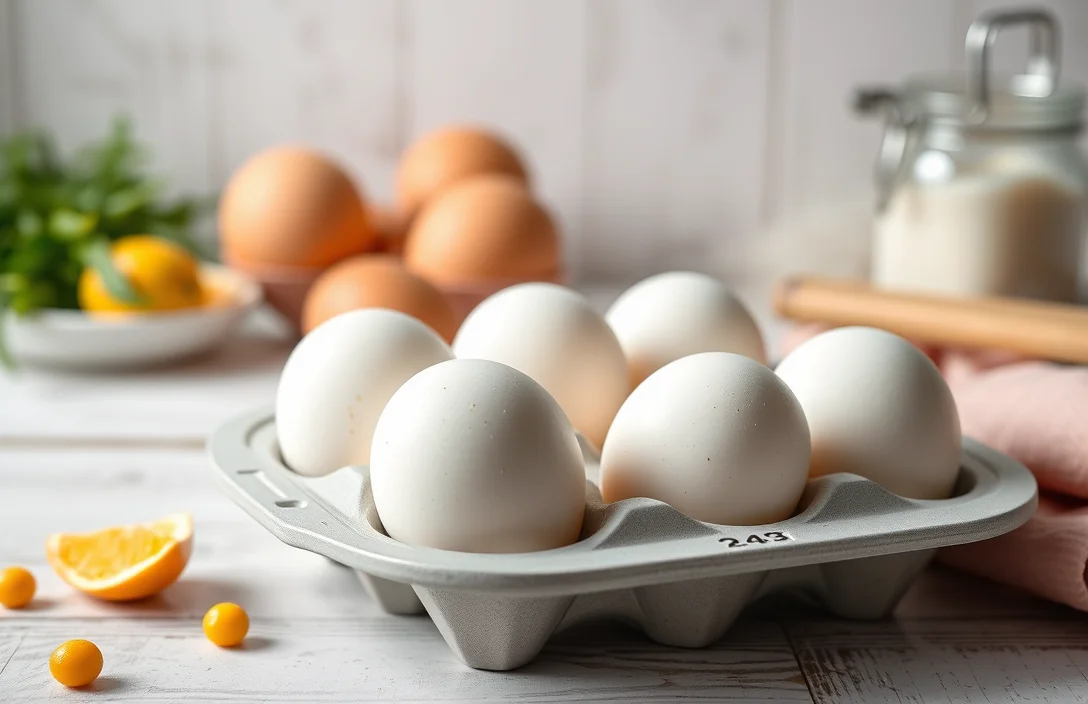
Baking eggs at 325°F (163°C) typically takes between 20 to 30 minutes for a perfectly set consistency. This method is not only simple but also allows for delicious results that can elevate any breakfast or brunch experience.
Cooking whole eggs in their shells takes about 30 minutes, while scrambled or beaten eggs can be ready in 20 minutes. Adjusting time may be necessary based on your oven’s performance.
Baking Temperature for Eggs
Optimal baking temperature for eggs is 325°F (163°C). Preheating your oven to this temperature ensures even cooking and prevents the eggs from becoming rubbery. It’s essential to maintain this heat for consistent results, providing the perfect texture. Remember, a gradual approach will help achieve that fluffy consistency everyone loves.
Monitoring baking time is crucial. Typically, eggs need about 20 to 25 minutes to bake, depending on the dish and the number of eggs used. Using a timer can help avoid overcooking, which can lead to dry, unappetizing results. Checking for doneness is simple; the eggs should be set but still slightly jiggly in the center.
Using a thermometer can provide precise temperature readings. If you’re unsure, insert it into the center of your baked egg dish. A temperature of 160°F (71°C) indicates that the eggs are safe to eat while maintaining a delightful texture. This method helps ensure you achieve perfectly baked eggs every time.
Types of Baked Egg Dishes
Different baked egg dishes require varying baking times. For example, a classic quiche typically needs about 30-40 minutes at 350°F (175°C) until the center is set. On the other hand, a frittata may take around 25-30 minutes under the same conditions. Knowing the specific dish helps in determining how long to bake eggs for the best results.
Omelettes cooked in the oven generally need 15-20 minutes at 350°F (175°C). If you prefer a more custardy texture, baking them longer may yield a softer outcome. Remember to check for doneness by gently shaking the dish; if it wobbles slightly in the center, it may need more time.
Shakshuka, a delightful dish with eggs poached in a spicy tomato sauce, typically bakes for about 10-15 minutes at 375°F (190°C). This shorter time frame ensures the eggs remain runny while allowing the flavors to meld beautifully. Adjusting the cooking time based on personal preference can lead to a customized experience.
Baked eggs in ramekins can be a fun option. These usually take around 12-15 minutes at 375°F (190°C). Experimenting with toppings like cheese or herbs can add layers of flavor while maintaining the perfect texture. Always keep an eye on them to prevent overcooking.
Egg Size and Baking Time
Egg size plays a crucial role in determining baking time. Standard large eggs typically require about 12 to 15 minutes when baked in a preheated oven at 325°F (160°C). For perfect results, always consider the size when adjusting cooking times, as smaller or larger eggs will cook differently.
Medium eggs generally need around 10 to 12 minutes, while extra-large eggs may take up to 16 minutes. Monitoring the cooking process is essential; checking for doneness can prevent overcooking and ensure a creamy texture. Use a timer to stay on track, but also keep an eye on the eggs.
Testing for doneness is easy. Gently shake the baking dish; if the eggs jiggle slightly but are firm around the edges, they are done. For a more precise method, inserting a toothpick into the center can help gauge doneness. If it comes out clean, your eggs are ready to enjoy!
Oven vs. Microwave Baking
Baking eggs in the oven typically takes longer than using a microwave. For example, a standard baking time for eggs in the oven at 350°F is around 20-25 minutes. This method allows for even cooking and a fluffy texture. In comparison, microwaving eggs can be done in just 1-3 minutes, depending on your microwave’s wattage and the egg preparation method.
Ovens provide a reliable heat source that evenly penetrates the eggs, resulting in a consistent doneness. On the other hand, microwaves can cause hot spots, leading to uneven cooking if not monitored. For beginners, using an oven might be more forgiving, as it allows for a slower, controlled cooking process.
Avoid overcrowding in the oven to ensure proper heat circulation. Each egg should have enough space around it to bake evenly. If you choose to microwave, use a microwave-safe dish and cover it loosely with a lid or microwave-safe wrap to prevent splattering. Remember to check your eggs frequently to avoid overcooking.
Experimenting with both methods can help you discover your preferred texture and convenience. Try baking eggs for a family gathering or quick meals in the microwave. Each technique has its merits, making them useful tools in your kitchen arsenal.
Baked Egg Texture Preferences
Texture plays a crucial role in achieving perfectly baked eggs. Depending on your preference, cooking eggs for different durations will yield distinct results. For a soft, custard-like consistency, aim for 12 to 15 minutes in a 350°F oven. If you prefer a firmer texture, extend the time to 18 to 20 minutes, ensuring they don’t dry out.
Adjusting cooking time can significantly affect the creaminess of your baked eggs. Shorter baking times will result in a runnier yolk and creamier whites, while longer times produce a more solid texture. Always monitor closely to avoid overcooking, which can lead to rubbery eggs.
Experimenting with different temperatures can also influence outcome. Baking at 325°F may yield a softer texture compared to 375°F, which can create a slight crust. Try both temperatures to find what suits your taste best.
Checking doneness is essential for perfect baked eggs. Use a toothpick or knife to test the center; if it comes out clean, they’re ready. For an extra creamy texture, consider removing them slightly earlier than the suggested time.
Seasoning and Flavoring Ideas
Experimenting with flavor can elevate baked eggs significantly. Common seasonings include salt and pepper, but adding herbs like chives or parsley can enhance freshness. Spices such as paprika or cayenne pepper introduce warmth and depth. For a gourmet touch, consider incorporating feta cheese, sun-dried tomatoes, or spinach for a Mediterranean flair.
Cheese varieties bring richness and creaminess. Try sharp cheddar, creamy goat cheese, or even a sprinkle of parmesan for an umami boost. Mixing in different cheeses can create unique flavor profiles tailored to your palate. Remember to adjust the baking time slightly, as these ingredients can affect the overall cooking process.
Acidity balances flavors beautifully. A dash of lemon juice or a spoonful of salsa can brighten the dish. Consider adding a drizzle of balsamic glaze after baking for a touch of sweetness. Experiment with different combinations to discover your favorites, ensuring your baked eggs are always delightful and satisfying.
Lastly, presentation matters! Garnishing with microgreens or edible flowers not only makes the dish visually appealing but also adds subtle flavor notes. A well-seasoned and beautifully presented plate will impress anyone at the breakfast table, making your baking skills shine.
Quick Summary
- Baking eggs typically takes 20 to 30 minutes, depending on the desired doneness and oven temperature.
- For a softer texture, bake at 325°F (163°C) for about 20 minutes.
- For firmer eggs, increase the temperature to 350°F (177°C) and bake for 25 to 30 minutes.
- Using a water bath can help maintain moisture and prevent overcooking.
- Check for doneness by inserting a knife; it should come out clean when the eggs are fully baked.
- Eggs can be baked in individual ramekins or in a larger dish, depending on serving size.
- Season and garnish eggs before baking for enhanced flavor and presentation.
Frequently Asked Questions
1. How long should I bake eggs in the oven?
For a basic baked egg recipe, preheat your oven to 350°F (175°C) and bake the eggs for about 12 to 15 minutes. The exact time can vary based on how well-done you like your yolks, so keep an eye on them as they bake.
2. What is the best way to prepare eggs for baking?
You can bake eggs in individual ramekins or a larger baking dish. Simply crack the eggs into the dish, season them with salt and pepper, and add any desired toppings like cheese or vegetables before baking.
3. Should I cover the eggs while baking?
It’s not necessary to cover the eggs while baking, but if you prefer a softer texture, you can cover the dish with aluminum foil for the first half of the baking time. This will help retain moisture and steam the eggs slightly.
4. How can I tell when baked eggs are done?
Baked eggs are done when the whites are set and the yolks are slightly jiggly but not runny. You can also use a knife to check the edges; if they come out clean, the eggs are ready.
5. Can I bake eggs with other ingredients?
Absolutely! You can mix in vegetables, meats, or cheeses before baking to create a delicious egg dish. Just be mindful of the moisture content of the ingredients, as too much liquid can affect the baking time and texture.
