
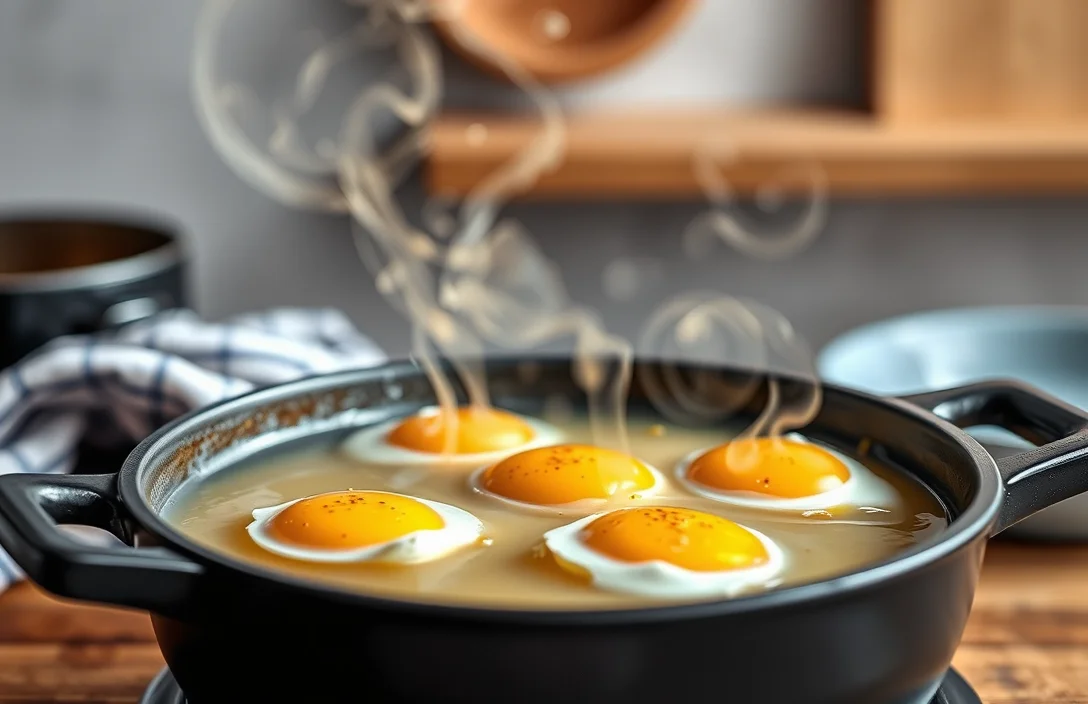
Perfectly steamed eggs take just 6 to 12 minutes, depending on your desired doneness. This simple method enhances flavors while ensuring a tender texture. Discover how timing can elevate your egg game and why steaming might be your new favorite cooking technique.
To steam eggs successfully, remember these key points: 6-8 minutes for soft-boiled, 9-12 minutes for hard-boiled, and always use a covered pot for even cooking. Experiment with times to find your perfect result!
Benefits of Steaming Eggs
Steaming eggs offers significant advantages over traditional boiling methods. This technique ensures consistent cooking, preventing the risk of overcooking and rubbery textures. By using steam, you can achieve perfectly tender whites and creamy yolks without the fuss of monitoring boiling water.
Flavor retention stands out as another benefit of steaming. Eggs maintain their natural taste better than when boiled in water, as steaming minimizes the loss of nutrients and prevents flavor dilution. The gentle heat also allows for a more even cook.
- Minimal water usage enhances texture.
- Easy peeling results from steaming, thanks to the separation of the shell from the egg.
- Flexible timing allows for precise control over doneness levels.
Safety is improved with steaming, as it reduces the chance of egg shells breaking and leaking into the water. This method also minimizes the risk of burns associated with boiling water. Overall, steaming eggs is a practical approach to achieve delicious results with minimal effort.
Egg Sizes Impact Cooking Times
Egg sizes significantly influence steaming duration. Smaller eggs require less time, while larger ones need additional cooking time. Understanding these differences helps achieve perfectly steamed eggs tailored to your preferred consistency.
- Medium eggs typically take about 9-10 minutes. Steaming these will yield a soft, creamy texture.
- Large eggs require approximately 11-12 minutes for optimal results. A firmer yolk and white are achieved with this timing.
- Extra-large eggs need around 13-14 minutes. This longer duration ensures thorough cooking without overcooking.
- Jumbo eggs can take up to 15 minutes. Monitoring them closely during the process is essential to prevent undesired firmness.
Cooking times vary based on your egg size. Always adjust steaming duration according to the size for best results.
Essential Equipment for Steaming
Steamer baskets are crucial tools for steaming eggs effectively. These baskets allow steam to circulate around the eggs, ensuring even cooking. They come in various materials, including metal and silicone, so choose one that fits your pot and suits your cooking preferences.
Medium-sized pots work best for steaming. Ensure your pot is deep enough to hold water and accommodate the steamer basket without submerging the eggs. A lid is essential for trapping steam, which helps achieve the desired doneness.
Measuring cups help with precise water levels. For optimal steaming, fill the pot with enough water to generate steam but not so much that it touches the eggs. Typically, one to two inches of water is sufficient for efficient steaming.
Kitchen timers are invaluable for tracking cooking times. Since the timing can vary based on the size of the eggs and your desired doneness, a timer ensures you achieve perfectly steamed eggs every time.
Silicone egg molds offer another option for steaming. These molds keep eggs contained and can create unique shapes, adding a fun twist to your breakfast presentation while maintaining even cooking throughout.
Steaming Compared to Boiling Eggs
Steaming eggs offers distinct advantages over boiling. The gentle heat of steam allows for more consistent cooking, preventing the rubbery texture often associated with boiled eggs. Additionally, steaming tends to maintain the eggs’ natural flavors and nutrients better than boiling, where some nutrients may leach into the water.
Cooking times vary between methods. Steamed eggs require about 6 to 12 minutes, depending on desired doneness. In contrast, boiling can lead to overcooking if not monitored closely, making timing crucial. For perfect results, adjust steaming time based on egg size and personal preferences.
Textural differences also stand out. Steamed eggs typically yield a creamier yolk and softer whites, appealing to those who prefer a tender bite. Boiled eggs, particularly when overcooked, can produce a chalky yolk and firm whites, which some might find less enjoyable.
Cleaning is simpler with steaming. Since eggs don’t come into direct contact with boiling water, there’s often less mess and no need to deal with a pot of water afterward. This aspect makes steaming a practical choice for those looking for convenience in the kitchen.
Preparing Eggs for Steaming
Cracking eggs correctly is essential for successful steaming. To prevent any shell fragments from contaminating your dish, ensure you tap the egg on a flat surface rather than an edge. This method reduces the chance of breaking the egg unevenly, allowing for a smoother cooking process and better presentation.
- Wash your hands thoroughly before handling eggs to maintain cleanliness.
- Tap each egg gently against a flat surface to create a clean break.
- Open the shell over a bowl to catch any unwanted shell pieces.
- Pour the egg into a steaming-safe dish or ramekin, ensuring not to overcrowd the container.
- Cover the dish with aluminum foil or a lid to trap steam effectively during cooking.
Steaming eggs requires precise preparation. Make sure you have all necessary tools ready, including a steaming rack or basket. This setup allows for even cooking and prevents the eggs from touching boiling water directly, enhancing texture and flavor.
Tips for Achieving Perfect Steamed Eggs
Timing your steaming process is crucial for achieving the perfect egg texture. Generally, steaming eggs for about 6 to 12 minutes will yield the desired results. Shorter times will produce a soft, custardy texture, while longer times lead to firmer eggs. Adjust the timing based on your preference and the size of the eggs.
Monitoring the steam level is essential. Ensure that there is a consistent and gentle steam throughout the cooking process. Rapid boiling can cause the eggs to overcook, resulting in a rubbery texture. A steady simmer will help maintain even cooking without the risk of over-steaming.
Testing for doneness can be easily accomplished. After the recommended steaming time, carefully remove one egg and check its firmness by gently pressing it. If it feels too soft for your liking, return it to the steamer for an additional minute or two. This method allows for precise control over your cooking outcomes.
Cooling the eggs promptly is important. Once the desired doneness is achieved, immediately transfer the eggs to an ice bath. This stops the cooking process and helps retain the perfect texture. Leave the eggs in the ice bath for at least five minutes before peeling to ensure optimal results.
Storing and Serving Steamed Eggs
Steamed eggs should be stored properly to maintain their texture and flavor. Refrigerate any leftovers in an airtight container within two hours of cooking. This will prevent bacteria from developing and keep the eggs fresh for up to four days. Label the container with the date for your reference.
Serving options can enhance enjoyment. Consider garnishing with fresh herbs like chives or parsley for a burst of flavor. Serving alongside toast or sautéed vegetables creates a balanced meal. Alternatively, pair them with soy sauce or a sprinkle of chili flakes for an Asian-inspired twist.
Experimenting with presentations can elevate your dish. Serve steamed eggs in individual ramekins for a sophisticated touch. Alternatively, slice them and arrange on a platter with dipping sauces for a fun appetizer. Creative plating can make even simple steamed eggs feel special.
Enjoying steamed eggs warm is ideal; however, they can also be served cold. Chilling them allows for unique salads or snack options. Cold steamed eggs can be sliced and added to grain bowls or wraps, providing versatility in meal preparation.
Quick Summary
- Steaming eggs typically takes between 12 to 15 minutes, depending on the desired doneness.
- For soft-boiled eggs, steam for about 6-8 minutes; for medium, 9-11 minutes; and for hard-boiled, 12-15 minutes.
- Using a steamer basket allows for even cooking and easy removal of eggs.
- It’s essential to start timing once the water begins to boil and steam is produced.
- After steaming, place eggs in an ice bath to stop the cooking process and make peeling easier.
- Egg size may affect cooking time; larger eggs may require slightly more time.
- Experiment with timing for your preferred egg texture and firmness.
Frequently Asked Questions
How long should I steam eggs for soft-boiled results?
For soft-boiled eggs, steam them for about 6 to 7 minutes. This will give you a slightly runny yolk while ensuring the whites are fully set.
What is the steaming time for medium-boiled eggs?
If you prefer medium-boiled eggs, steam them for 8 to 9 minutes. This will result in a firmer yolk that is still creamy without being fully cooked through.
How long do I need to steam eggs for hard-boiled consistency?
For hard-boiled eggs, steam them for 10 to 12 minutes. This will ensure that both the whites and yolks are fully cooked and firm.
Do I need to adjust steaming times for large or extra-large eggs?
Yes, if you’re using large or extra-large eggs, you may need to add an additional minute or two to the steaming time. This ensures that the larger volume of egg cooks thoroughly.
What should I do after steaming the eggs?
After steaming, transfer the eggs to an ice bath immediately to stop the cooking process. Allow them to cool for at least 5 minutes before peeling for easier shell removal.
