
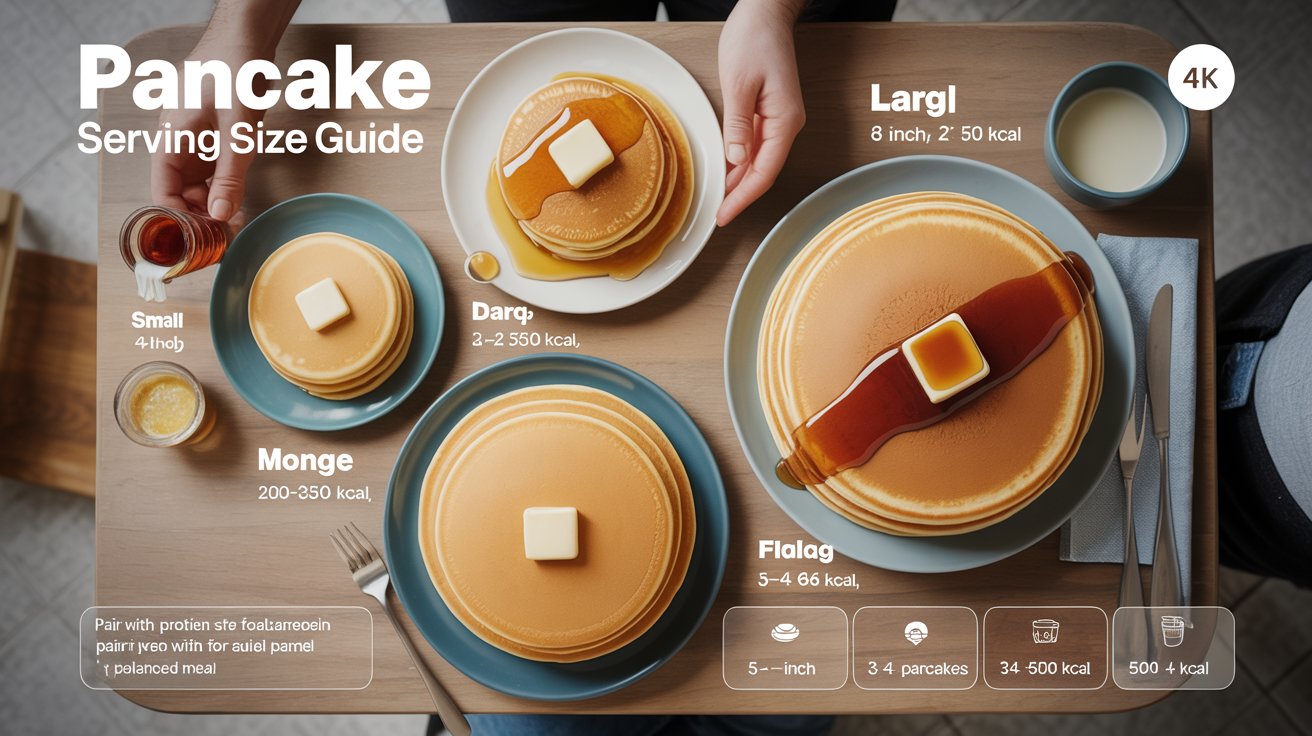
Pancakes are a breakfast favorite—fluffy, comforting, and easy to customize. But when it comes to portions, it’s easy to stack up more than you actually need. Understanding the pancake serving size helps you enjoy your meal while keeping portions balanced and satisfying.
Why Pancake Serving Size Matters
Pancakes are typically made from flour, milk, and eggs, making them rich in carbohydrates and calories. While they’re delicious, portion control is important—especially when adding toppings like syrup or butter.
Proper serving sizes help:
- Manage calorie intake
- Balance breakfast with protein and nutrients
- Avoid overeating
- Maintain steady energy levels
Knowing the right portion makes your breakfast both enjoyable and healthy.
Standard Pancake Serving Size
Pancake servings are usually measured by number of pancakes and diameter (size).
Pancake Serving Size Chart
| Serving Type | Pancake Size (Diameter) | Number of Pancakes | Calories (Approx.) |
|---|---|---|---|
| Small Serving | 3–4 inches | 2 pancakes | 120–180 kcal |
| Standard Serving | 4–5 inches | 2–3 pancakes | 200–350 kcal |
| Large Serving | 5–6 inches | 3–4 pancakes | 350–500 kcal |
| Extra Large | 6+ inches | 4+ pancakes | 500+ kcal |
A standard serving is typically 2–3 medium pancakes (4–5 inches each).
Choosing The Right Pancake Serving Size
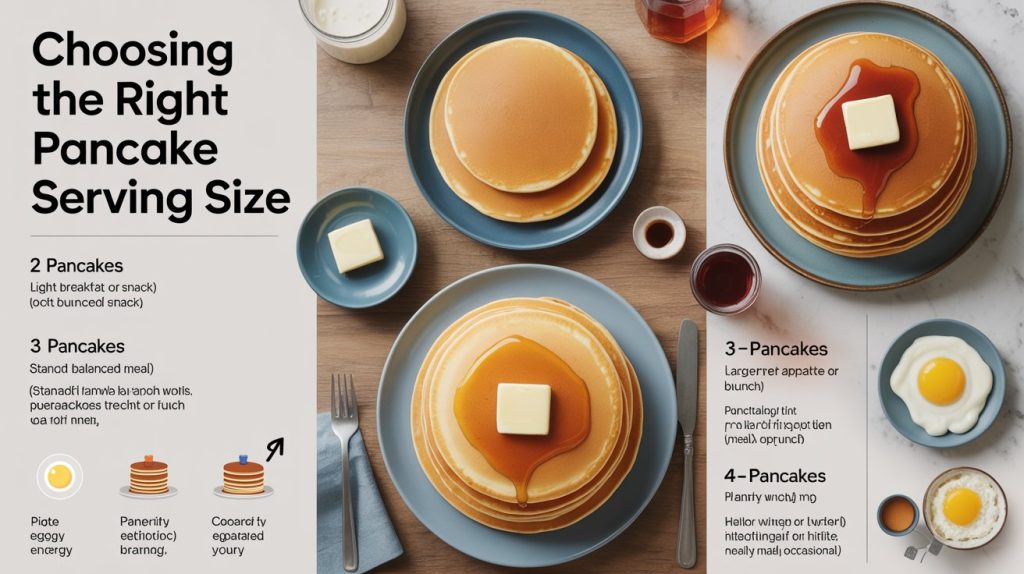
The ideal portion depends on your appetite and meal balance:
- 2 pancakes: Light breakfast or snack
- 2–3 pancakes (standard): Balanced meal
- 3–4 pancakes: Larger appetite or brunch
- 4+ pancakes: Hearty meal (best shared or occasional)
Pair pancakes with protein (like eggs or yogurt) for a more balanced meal.
Pancake Serving Size And Nutrition
Pancakes provide energy mainly from carbohydrates, but toppings can significantly increase calories.
For example:
- 1 medium pancake: ~90–120 calories
- 3 pancakes with syrup: Can exceed 300–400 calories
Adding butter, syrup, or chocolate chips increases sugar and fat content quickly.
Tips For Managing Pancake Portions
- Use smaller plates: Helps control serving size
- Limit toppings: Use syrup and butter in moderation
- Add protein: Eggs, nuts, or yogurt balance the meal
- Choose whole grain pancakes: More fiber and nutrients
- Stack smartly: Avoid piling too many pancakes
Small changes can make your meal healthier.
Common Mistakes When Serving Pancakes
- Overstacking pancakes: Easy to eat too much
- Ignoring toppings: Extra calories from syrup and butter
- Skipping protein: Leads to quicker hunger
- Large pancake sizes: Bigger pancakes = more calories
Being mindful helps you enjoy pancakes without overdoing it.
How Serving Size Affects Breakfast
The number of pancakes you eat can impact your energy and fullness. A moderate portion keeps you satisfied, while oversized servings may feel heavy and lead to sluggishness.
Balancing pancakes with other foods creates a better breakfast experience.
Pancakes In Different Diets
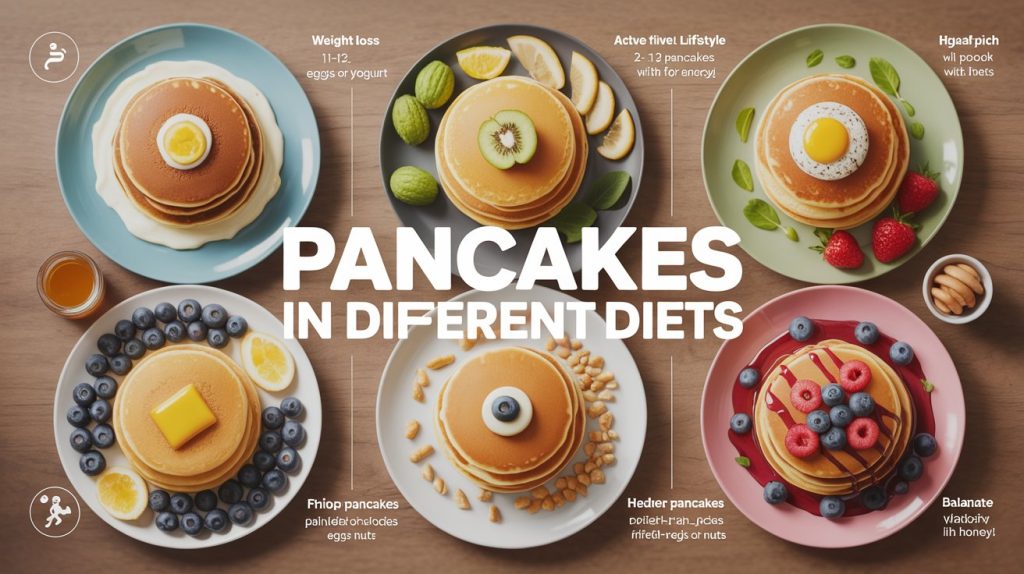
Serving sizes may vary depending on your diet:
- Weight loss: 1–2 pancakes with protein
- Active lifestyle: 2–3 pancakes for energy
- High-protein diets: Smaller portions with added protein
- Balanced diets: Moderate servings with healthy toppings
Adjust portions based on your needs.
Frequently Asked Questions
What Is A Standard Pancake Serving Size?
Typically 2–3 medium pancakes (4–5 inches each).
How Many Pancakes Should I Eat For Breakfast?
2–3 pancakes are usually enough for a balanced meal.
Are Pancakes High In Calories?
They can be, especially with toppings like syrup and butter.
Can I Eat Pancakes Every Day?
Yes, in moderation and with healthy ingredients.
How Can I Make Pancakes Healthier?
Use whole grains, reduce sugar, and add protein-rich toppings.
Pancake serving size may seem simple, but it plays a big role in your nutrition and energy. By understanding the right portion, you can enjoy your pancakes while keeping your meals balanced and satisfying every time.
