
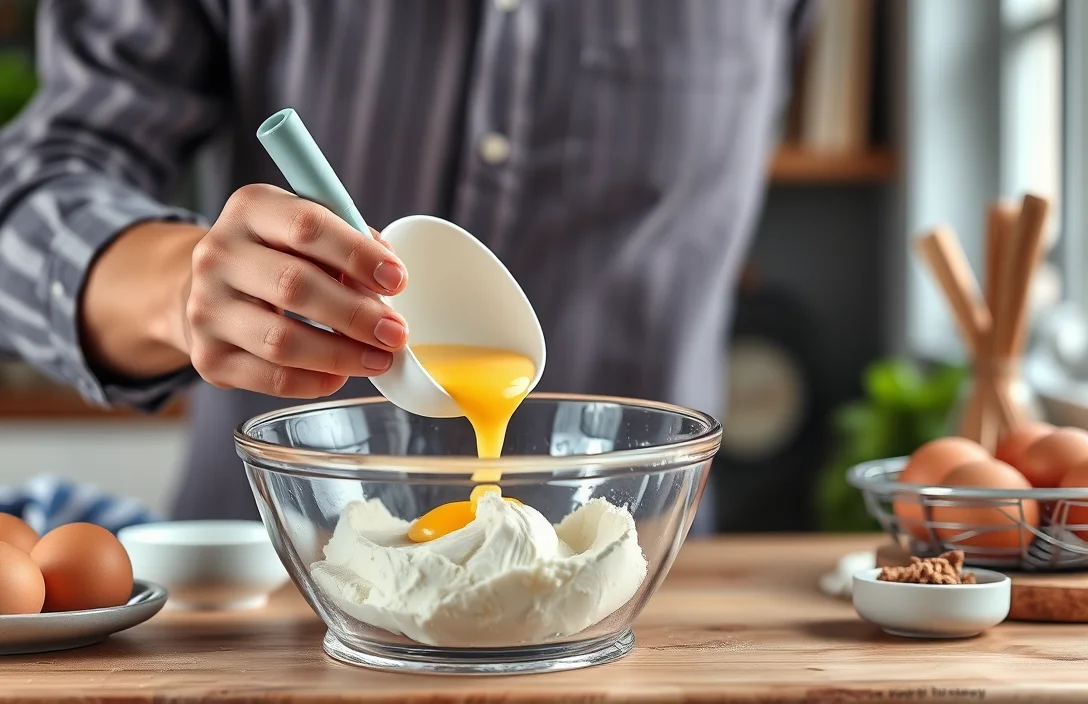
Mixing eggs correctly can enhance the texture and flavor of your dishes. Studies show that properly mixed eggs create a fluffier result, whether for scrambled eggs, omelets, or baking. Mastering this skill is essential for any home cook wanting to elevate their culinary creations.
Start by cracking eggs into a bowl, then use a whisk or fork to beat them until yolks and whites are fully combined. For fluffier eggs, add a splash of milk or cream. Finally, season with salt and pepper before cooking for the best flavor.
Types of Eggs for Mixing
Chicken eggs dominate kitchens worldwide due to their versatility and availability. These eggs provide a balanced flavor profile and are suitable for various mixing techniques. Their yolks add richness, while the whites contribute to aeration, making them ideal for everything from scrambled eggs to soufflés.
Duck eggs stand out for their larger size and higher fat content. This quality enhances the creaminess of dishes, resulting in richer flavors. While they mix similarly to chicken eggs, their unique characteristics make them a favorite for certain recipes, such as custards and baked goods.
Quail eggs, while smaller, pack a flavorful punch. These delicate eggs offer a unique texture and are often used in gourmet dishes. Mixing them requires a gentle approach, ensuring the yolk and white blend without overwhipping. Perfect for garnishing or adding flair to meals, they can elevate any dish.
Goose eggs provide a distinct option due to their robust flavor and substantial size. Their higher fat content and richer yolks make them suitable for recipes requiring a creamy texture. Mixing goose eggs may require adjustments in ratios, as they can yield denser outcomes compared to chicken eggs.
Organic and free-range eggs are often preferred for their perceived health benefits and superior taste. These options may enhance the flavor profiles of your dishes, contributing to a fresh, wholesome taste. Mixing organic eggs can lead to better results in terms of texture and overall quality in various recipes.
Importance of Egg Temperature
Room temperature eggs mix more effectively than cold ones. Allowing eggs to sit out for about 30 minutes before mixing enhances their blending capabilities. Cold eggs tend to clump and resist uniform integration, leading to uneven textures in your final product. For optimal results, always remember to pre-warm your eggs to achieve a smooth consistency.
- Remove eggs from the refrigerator.
- Place them in a bowl of warm water for about 10 minutes.
- Check if they feel warm to the touch before cracking.
- Crack eggs into a mixing bowl and proceed with your desired mixing technique.
- Monitor the texture closely, adjusting mixing time as needed.
Perfectly mixed eggs create a fluffier texture in baked goods. Incorporating room temperature eggs helps incorporate air more effectively, which is essential for recipes like soufflés or cakes. Mixing at the right temperature leads to better volume and uniformity, enhancing the overall quality of your dishes.
Whipping Techniques for Egg Whites
Achieving perfect egg whites requires specific techniques. Start with clean, dry mixing bowls and utensils to avoid any grease or residue. Any fat can prevent proper whipping, so use glass or metal bowls, as plastic can hold onto oils. Room temperature eggs whip better than cold ones, so let them sit out for about 30 minutes before starting.
Using the right tool matters significantly. Electric mixers often yield the best results, but a whisk can also be effective for smaller quantities. For electric mixers, consider the following:
- Low speed initially to prevent splatter.
- Increase speed gradually for stability.
- Use the whisk attachment for best aeration.
Monitoring the consistency is crucial. Soft peaks form when the egg whites hold a peak that gently droops. For stiff peaks, continue whipping until the peaks stand straight. Be careful not to overwhip, as this can lead to a grainy texture, making it harder to fold into other mixtures.
Incorporating sugar can help stabilize egg whites. Gradually add sugar once soft peaks form. This process enhances the structure and provides sweetness. Aim for a fine granulated sugar to allow for easy dissolving.
Beating Egg Yolks Effectively
Achieving the perfect egg yolks requires specific techniques tailored for various recipes. Properly beaten yolks enhance flavors and textures in your dishes. Follow these steps to master the art of yolk mixing, ensuring consistent results every time.
- Choose the right bowl size. Using a medium bowl allows enough space for the yolks to expand as you beat them, promoting even mixing and preventing splashes.
- Incorporate a whisk or mixer. A whisk is ideal for small batches, while an electric mixer saves time with larger quantities. Both tools create a smooth, airy texture vital for many recipes.
- Add flavoring or sugar early. Mixing in sugar or other flavorings directly with the yolks at the beginning helps dissolve them fully, achieving a uniform mixture.
- Focus on speed and technique. Beat the yolks at a consistent speed until they achieve a pale color and thick consistency, indicating they are well-aerated and ready for use.
- Observe the texture closely. Properly beaten yolks should be thick and slightly frothy. If they remain runny, continue mixing until the desired consistency is reached.
Mastering these techniques will significantly improve your egg-based recipes, providing a solid foundation for combining ingredients smoothly in your cooking.
Combining Ingredients with Eggs
Incorporating ingredients seamlessly requires proper technique. Begin by adding dry components, such as flour or spices, to the mixed eggs in small amounts. This prevents clumping and ensures even distribution throughout the mixture. Stir gently with a whisk or fork to maintain the airiness of the eggs while blending everything together.
Mixing wet ingredients calls for a different approach. Gradually pour in liquids, like milk or cream, while continuously whisking. This method helps to maintain a smooth texture and avoids any curdling or separation. Aim for a consistent blend before introducing any additional ingredients.
Utilize folding techniques for delicate items. Gently integrate ingredients like cheese, herbs, or vegetables after the eggs are fully mixed. Use a spatula to lift and fold the mixture, ensuring you don’t deflate the eggs. This method keeps the final product light and fluffy.
Focus on temperature as well. Warm ingredients blend more easily with eggs, so consider bringing items like cheese to room temperature before mixing. This simple step can enhance the overall texture and flavor of your dish.
Remember to season throughout the process. Adjusting flavor at different stages ensures a well-rounded taste. Add salt and pepper during the mixing to create a harmonious blend that complements all other ingredients, making your dish truly enjoyable.
Quick Summary
- Bring eggs to room temperature for easier, more even mixing.
- Use a whisk, fork, or electric mixer depending on quantity—whisk briskly until yolks and whites are fully combined.
- Add a pinch of salt or a splash of water/milk/cream to improve texture and help eggs rise when cooked.
- Mix until color and texture are uniform; for fluffy results beat longer, for custards/batters stop when just combined.
- Avoid overbeating when incorporating eggs into other ingredients unless the recipe requires aeration—overbeating can affect texture.
- Work in a clean, dry bowl, remove any shell fragments, and fold gently when adding eggs to delicate batters.
Frequently Asked Questions
What is the best way to crack an egg?
To crack an egg, gently tap it against a flat surface to avoid shell fragments. Then, use your thumbs to pull the shell apart and let the egg slide into a bowl.
How do I know if an egg is fresh?
A simple freshness test involves placing the egg in a bowl of water. Fresh eggs will sink and lay flat on the bottom, while older eggs will stand upright or float.
Should I use room temperature or cold eggs for mixing?
Room temperature eggs mix more easily and incorporate better into batters. If your eggs are cold, you can place them in warm water for a few minutes to bring them to room temperature.
How long should I mix eggs for them to be fully combined?
Mix eggs until the yolks and whites are fully blended, usually about 30 seconds to a minute. The mixture should appear uniform with no visible streaks of white or yolk.
What tools are best for mixing eggs?
A fork, whisk, or electric mixer can all be used to mix eggs effectively. For small quantities, a fork or whisk is sufficient, while an electric mixer can save time for larger batches.
