
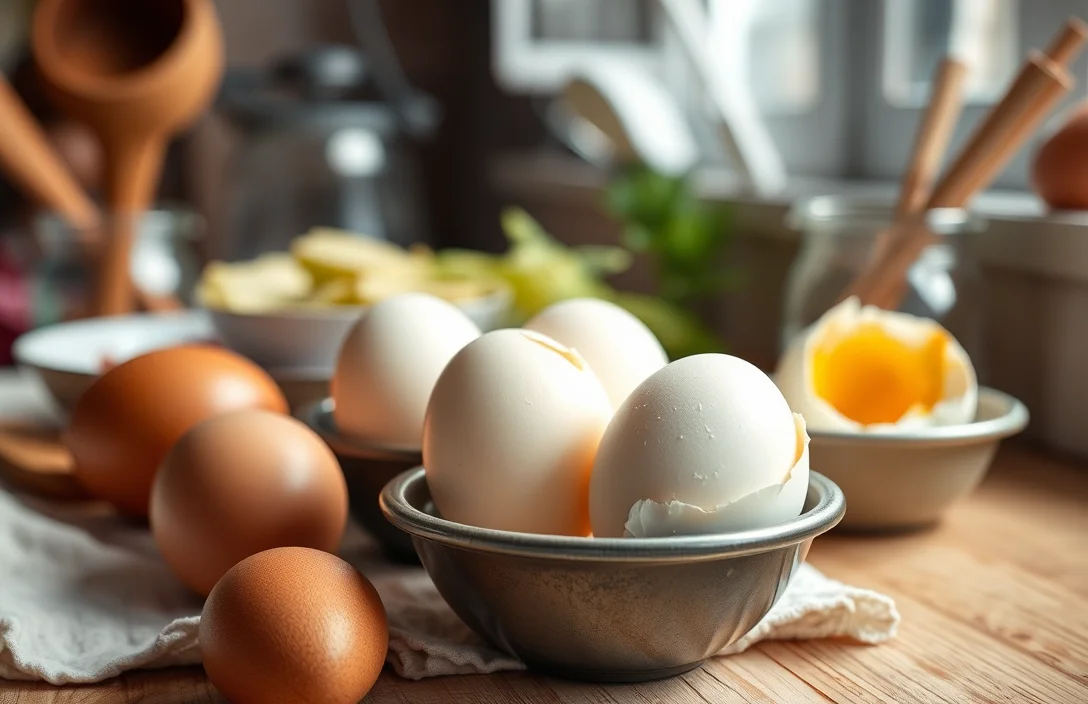
Eggs cook at a range of temperatures, with the ideal being around 160°F (71°C) to ensure safe consumption. This specific temperature effectively kills harmful bacteria, making it crucial for anyone preparing eggs at home or in professional kitchens. Knowledge of this can enhance cooking skills significantly.
Cooking eggs requires precise attention; soft-boiled eggs reach doneness at about 145°F (63°C), while hard-boiled ones need to hit 160°F (71°C). For scrambled eggs, aim for 160°F (71°C) to achieve the perfect texture without risk.
Understanding Egg Cooking Methods
Eggs can be prepared using various techniques, each requiring specific temperatures for optimal results. Cooking methods include boiling, poaching, frying, and baking. Each technique affects texture and taste, so understanding these methods ensures you achieve the desired outcome. Knowing how to control heat will transform your dishes and make cooking eggs a precise art.
Boiling eggs involves two primary styles: soft and hard. Soft-boiled eggs yield a runny yolk, while hard-boiled eggs cook thoroughly, resulting in a firm yolk. Timing is essential for achieving the perfect consistency, and temperatures around 170°F to 180°F work best. Understanding these differences will allow you to select the perfect cooking time and temperature for your dish.
Frying eggs showcases a range of textures, from sunny-side up to over-easy. Heat plays a crucial role in achieving these results, with ideal frying temperatures around 250°F to 325°F. The choice of pan and oil can also affect the cooking temperature, influencing the final outcome. Experimenting with different heat levels allows for customization based on personal preference.
Poaching eggs requires gentle heat for a tender finish. The water temperature should be maintained around 180°F to 190°F, just below boiling. This method helps achieve a delicate, silky texture without the addition of fat. Mastering poaching will elevate your breakfast offerings and impress your guests.
Baking eggs, often used in casseroles, typically requires a temperature of 350°F. This method provides even cooking and allows for creative combinations with vegetables and cheeses. Familiarity with oven heat settings will enhance your baking skills, leading to delicious and satisfying meals.
Soft Boiled and Hard Boiled Temperatures
Perfect soft boiled eggs require precise temperatures. Cook them at 185°F (85°C) for about 6-7 minutes. This temperature ensures a tender white while keeping the yolk creamy and soft. Timing is crucial; overcooking can lead to undesirable textures.
Achieving hard boiled eggs is simpler. Maintain a temperature of 210°F (99°C) for at least 10-12 minutes. At this heat, the yolk becomes fully cooked, setting to a firm consistency without the greenish tint that often occurs from overcooking.
Temperature control is vital for both methods. Use a food thermometer to check water temperature before immersing the eggs. Maintaining the right heat prevents the common pitfalls of boiling eggs, such as rubbery whites or chalky yolks.
Cooling eggs quickly after cooking enhances texture. Immediately transfer them to an ice bath for 5-10 minutes. This stops the cooking process, making peeling easier and ensuring optimal results for both soft and hard boiled eggs.
Scrambled Eggs and Optimal Heat Settings
Optimal temperature for scrambled eggs ranges between 70°C to 80°C (160°F to 180°F). Cooking within this range ensures a creamy texture while preventing overcooking. Start with medium-low heat to give you better control, allowing the eggs to cook gently without the risk of drying out.
- Preheat your non-stick skillet over medium-low heat. This step is crucial for even cooking.
- Whisk eggs vigorously with a pinch of salt before pouring them into the skillet. This process incorporates air, leading to fluffier results.
- Pour the egg mixture into the heated skillet. Allow it to sit undisturbed for a few seconds to form curds.
- Gently stir using a spatula, pushing curds from the edges toward the center. This technique promotes even cooking.
- Remove the pan from heat just before the eggs are fully set. Residual heat will finish cooking them, ensuring they remain soft.
Perfect scrambled eggs should appear slightly runny on the plate, as they continue cooking after removal from heat. Mastering this technique guarantees delicious results every time.
Fried Eggs and Cooking Tips
Frying eggs requires precise temperature control for perfect results. Aim for a cooking temperature of around 250°F to 325°F (120°C to 160°C). This range allows for even cooking without burning the edges. Using a non-stick skillet or well-seasoned cast iron pan helps to achieve the best texture and prevents sticking.
Heat your pan before adding eggs. Preheating ensures the eggs cook uniformly. Test the temperature by adding a drop of water; it should sizzle upon contact. Once the pan is ready, add a small amount of oil or butter to enhance flavor and prevent sticking.
- Cook sunny-side-up eggs for 3-4 minutes.
- Fry over-easy eggs for 2-3 minutes on each side.
- For over-medium, flip and cook for 3-4 minutes.
- Use a lid to speed up cooking and ensure the yolk sets.
Monitor closely to prevent overcooking. Eggs should appear slightly firm but still shiny when done. Adjust cooking times based on your preferred doneness. Experimenting with different oils can also add flavor variations to your fried eggs.
Poached Eggs Perfect Temperature Guide
Achieving the ideal poached egg requires precision. Aim for a water temperature of 180°F to 190°F (82°C to 88°C). This range ensures the egg whites set nicely while keeping the yolk runny. Using a thermometer or boiling water method can help maintain this optimal temperature for perfect results every time.
- Heat water in a pot until it reaches the desired temperature. Avoid boiling, as it can break apart the eggs.
- Add a splash of vinegar to the water. This helps the egg whites coagulate faster, resulting in a neater poached egg.
- Crack the egg into a small bowl. This makes it easier to slide the egg gently into the water.
- Stir the water gently to create a whirlpool effect. This helps the egg white wrap around the yolk for a more rounded shape.
- Carefully slide the egg into the center of the whirlpool. Allow it to cook undisturbed for about 3 to 4 minutes for a runny yolk.
Monitoring the cooking time is crucial. Remove the egg with a slotted spoon and let it drain on a paper towel. Enjoy your perfectly poached egg on toast or as part of your favorite dish.
Baking with Eggs: Temperature Considerations
Egg whites and yolks cook differently, impacting baking results. Egg whites coagulate at approximately 140°F (60°C), while yolks thicken around 150°F (65°C). Understanding these temperatures ensures proper texture in baked goods. For fluffy meringues, aim for peaks formed at the right temperature to achieve stability and volume.
Monitoring oven temperature is crucial. Most baking recipes call for a range between 325°F and 375°F (163°C to 190°C). Within this range, eggs cook evenly, contributing to the desired rise and moisture. Incorrect temperatures can lead to overcooked edges or undercooked centers, affecting overall quality.
Adjusting baking time based on egg temperature is essential. Using room temperature eggs versus cold ones can alter the final outcome. Room temperature eggs blend more smoothly, enhancing the batter’s consistency and resulting in a lighter texture. Always consider this variable for optimal results.
Incorporating eggs into batter requires attention to mixing techniques. Overmixing can create tough textures, while undermixing can lead to uneven cooking. Employ a gentle hand when folding ingredients together to maintain the integrity of the eggs and ensure the perfect rise.
Egg Safety Temperatures for Cooking
Cooking eggs requires careful attention to temperature to ensure safety. Eggs must reach a minimum internal temperature of 160°F (71°C) to eliminate harmful bacteria such as Salmonella. Use a food thermometer to check the temperature accurately and ensure thorough cooking. This step is crucial for any egg-based dish.
Scrambled eggs should be cooked until firm, without any runny portions. Sunny-side-up eggs should have both the white and yolk fully set. Poached eggs also need to reach at least 160°F to ensure food safety. Always prioritize checking the internal temperature, especially when cooking for vulnerable populations like children or the elderly.
Fried eggs require careful monitoring as well. Cook until both the white and yolk are firm, avoiding any soft or runny parts. Baked dishes, like quiches or casseroles, should also reach the same minimum temperature for safety. Using proper cooking techniques will maximize the safety and quality of your egg dishes.
Finally, leftover dishes containing eggs should be reheated to at least 165°F (74°C) before consumption. This ensures that any bacteria possibly present from prior cooking are effectively eliminated. Always prioritize food safety to enjoy delicious and safe egg meals.
Quick Summary
- The ideal cooking temperature for eggs varies based on the desired doneness.
- For soft-boiled eggs, cook at around 145°F (63°C) for 45 minutes.
- Medium-boiled eggs require a temperature of about 150°F (65°C) for 6-7 minutes.
- Hard-boiled eggs should be cooked at 160°F (71°C) for 9-12 minutes.
- Scrambled eggs are best cooked at a temperature of 160°F (71°C) until firm.
- Eggs should reach a safe internal temperature to eliminate the risk of Salmonella.
- Using a food thermometer can help ensure eggs are cooked to the right temperature.
Frequently Asked Questions
What temperature do eggs cook at?
Eggs generally begin to set at around 140°F (60°C). However, for optimal texture and doneness, cooking them at 160°F (71°C) is recommended.
How can I tell when my eggs are fully cooked?
Fully cooked eggs should have firm whites and a fully set yolk. For scrambled eggs, they should be fluffy and no longer runny, while poached or boiled eggs should have a firm white and a desired yolk consistency.
What is the best way to cook eggs for different temperatures?
For soft-boiled eggs, cook them at a simmer for about 6-7 minutes. For hard-boiled eggs, aim for 9-12 minutes, and for scrambled eggs, cook them on medium-low heat, stirring gently until just set.
Can I use a thermometer to check egg doneness?
Yes, using a food thermometer can help ensure that eggs reach the safe cooking temperature of 160°F (71°C). This is especially useful for dishes like frittatas or baked egg casseroles.
Is it safe to eat undercooked eggs?
Consuming undercooked eggs can pose a risk of salmonella infection. To minimize this risk, it’s best to cook eggs thoroughly until both the whites and yolks are firm.
