
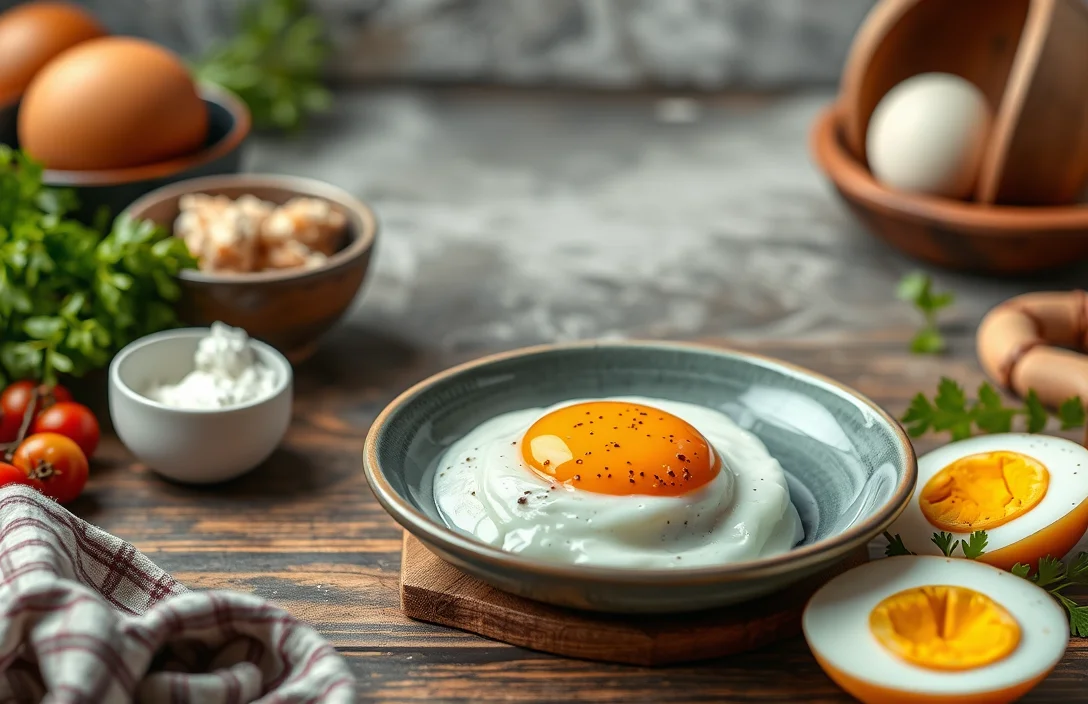
Eggs are one of the most versatile foods, offering over 100 different ways to cook them. Whether scrambled, poached, or fried, they provide a rich source of protein and nutrients, making them a staple in many diets around the world.
Mastering egg recipes can enhance your cooking skills. Key methods include boiling, scrambling, frying, and poaching. Each technique has unique tips to achieve perfect results, ensuring fluffy or creamy textures every time.
Mastering Perfectly Boiled Eggs
Start with cold eggs from the refrigerator. Placing them directly into boiling water can cause cracking. Instead, let them warm to room temperature for about 10-15 minutes. This ensures even cooking and minimizes the risk of breakage.
Bring a pot of water to a rolling boil. Use enough water to cover the eggs by at least an inch. Once boiling, reduce the heat slightly to maintain a gentle boil. This prevents turbulence that could crack the shells.
Carefully lower the eggs into the water using a slotted spoon. Timing is critical for achieving your desired doneness. For soft-boiled eggs, aim for 6-7 minutes. For hard-boiled eggs, increase the time to 9-12 minutes, depending on how firm you like the yolks.
Once the cooking time is complete, transfer the eggs to an ice bath immediately. Fill a bowl with ice and cold water, then let the eggs sit for at least 5 minutes. This halts the cooking process and makes peeling easier.
Crack the shell gently and roll the egg on a hard surface before peeling. Start peeling from the wider end, where there’s usually an air pocket. This method helps remove the shell cleanly, resulting in beautifully boiled eggs ready for your favorite recipes.
Expert Scrambled Egg Techniques
Whisking eggs thoroughly creates a uniform mixture. Use a fork or whisk to combine eggs until the yolks and whites are fully integrated. This process introduces air, contributing to a lighter texture. Aim for a fluffy outcome by ensuring no streaks remain in the mixture before cooking.
Heating your pan properly is crucial. Start with a non-stick skillet and set it to medium-low heat. Allow the pan to warm for a few minutes before adding any fat. This prevents sticking and ensures even cooking, leading to soft, creamy scrambled eggs.
Incorporating butter or oil enhances flavor and texture. Use about one tablespoon of unsalted butter or oil per two eggs. The fat not only adds richness but also helps achieve that desired creaminess. Allow the butter to melt completely before adding the egg mixture.
Stirring gently is key to perfecting texture. Use a rubber spatula to slowly push the eggs around the pan, scraping the bottom as you go. This technique creates soft curds and prevents overcooking. Maintain gentle movements rather than aggressive stirring for the best results.
Removing from heat at the right moment is essential. Scramble until the eggs are just set but still slightly runny. Residual heat will continue cooking them off the stove, ensuring they don’t become dry. Aim for a creamy consistency, which is the hallmark of excellent scrambled eggs.
Easy Steps for Making Omelettes
Crafting a delicious omelette requires specific techniques. Follow these steps to ensure your omelette is light, fluffy, and packed with flavor. Customize the ingredients to suit your taste. Fresh herbs, veggies, and proteins can transform a simple dish into a culinary delight.
- Whisk the eggs vigorously until fully blended. This incorporates air, creating a light texture.
- Heat a non-stick skillet over medium heat. Ensure the pan is adequately preheated to avoid sticking.
- Add a small amount of butter or oil to the skillet. Coat the bottom evenly before adding the eggs.
- Pour in the whisked eggs, allowing them to spread evenly across the pan. Do not stir immediately.
- As the edges begin to set, gently lift them with a spatula, tilting the pan to allow uncooked eggs to flow underneath.
- Sprinkle desired fillings onto one half of the omelette. Cheese, vegetables, or proteins work well.
- Fold the omelette in half once the eggs are nearly cooked through. Cook for an additional minute to melt the fillings.
Serve immediately for the best taste. Experiment with different ingredients to discover your favorite combinations. Mastering these steps will enhance your culinary skills and provide a satisfying breakfast option.
Frying Eggs to Achieve Perfection
Mastering the art of frying eggs requires attention to temperature and timing. Start by heating a non-stick skillet over medium heat. Add a small amount of oil or butter, allowing it to melt and coat the pan evenly. This initial step ensures your eggs cook evenly without sticking.
Choosing the right eggs is crucial for texture. Fresh eggs provide a firmer white and richer yolk. Crack the eggs gently into the skillet, ensuring they don’t break. For sunny-side-up, let them cook undisturbed until the whites are set but yolks remain runny. Adjust heat if necessary to prevent burning.
- Keep the skillet at medium heat for even cooking.
- Use a lid for a minute to steam the tops, ensuring whites are fully cooked.
- Season with salt and pepper just before serving for enhanced flavor.
Perfecting your technique takes practice. Experiment with cooking times to achieve your preferred yolk consistency. Watching the edges for crispness can help you find the ideal balance between tenderness and crunch, making each egg a delightful addition to your breakfast plate.
Baking with Eggs for Unique Dishes
Baking eggs creates delicious and unique breakfast options. Frittatas stand out as a versatile choice; they can be filled with vegetables, meats, or cheeses. Start by whisking eggs with milk or cream, then pour the mixture into a hot skillet. Cook until the edges set, then finish in the oven until fully cooked. This method retains moisture and enhances flavor.
Quiches offer another fantastic baked option. Combine a pastry crust with a filling of eggs, cream, and your favorite ingredients. Bake until golden and firm, resulting in a savory dish that’s perfect for any breakfast table. Experiment with different combinations, such as spinach and feta or ham and cheddar, to find your favorite flavors.
Shakshuka introduces a vibrant twist to egg baking. Simmer eggs in a spiced tomato sauce until just set. Serve with crusty bread for dipping, making it a hearty and satisfying dish. Personalize the sauce with different spices or add ingredients like bell peppers and feta to elevate the flavor profile.
Egg casseroles provide an easy, make-ahead option. Combine beaten eggs with bread, cheese, and vegetables in a baking dish. Let it sit overnight for flavors to meld, then bake in the morning. This dish serves multiple people and is perfect for gatherings.
Poaching Eggs with Precision
Achieving perfectly poached eggs requires attention to detail. Following these steps ensures you create a delicious, runny yolk encased in tender whites. Master this technique to enhance any breakfast dish, from classic eggs Benedict to a simple avocado toast.
- Fill a saucepan with water, about 3 inches deep. Bring it to a gentle simmer over medium heat, avoiding a rolling boil which can break apart the eggs.
- Add a splash of vinegar to the water. This helps the egg whites coagulate quickly, maintaining a compact shape.
- Crack an egg into a small bowl. This allows you to gently slide the egg into the simmering water without breaking the yolk.
- Gently slide the egg into the water. Aim for the center of the pan to prevent it from sticking to the sides.
- Cook for about 3-4 minutes. Adjust cooking time based on your preference for yolk consistency—less for runny, more for firmer yolks.
- Use a slotted spoon to remove the egg. Carefully lift it from the water and let it drain for a moment.
- Serve immediately. Place the poached egg on toast, salads, or any dish of your choice, and enjoy!
Incorporating Eggs in International Cuisine
Global egg dishes showcase diverse cooking techniques and flavors. Exploring these options can add excitement to your breakfast. Here are some popular international egg recipes to consider:
- Shakshuka from North Africa combines poached eggs in a spicy tomato sauce, seasoned with cumin and paprika. Serve with crusty bread for dipping.
- Spanish tortillas feature a hearty blend of eggs, potatoes, and onions, cooked slowly to create a thick, savory omelet. Slice and serve at room temperature for a versatile dish.
- Japanese tamagoyaki is a sweet, layered omelet that requires a special rectangular pan. Whisk eggs with sugar and soy sauce, then cook in thin layers, rolling them up as you go.
- Indian egg curry incorporates boiled eggs simmered in a rich, spiced gravy. Serve with rice or naan to enjoy the bold flavors.
- French quiche combines eggs with cream and cheese, baked in a pastry crust. Customize with vegetables or meats for a delicious brunch option.
Exploring these dishes enriches your breakfast repertoire. By incorporating eggs from various cultures, you can create exciting and flavorful meals that surprise and delight.
Quick Summary
- Eggs are versatile and can be prepared in various ways, including boiling, scrambling, frying, and baking.
- Fresh eggs are essential for the best flavor and texture; check the sell-by date for freshness.
- Always cook eggs to a safe temperature to prevent foodborne illnesses.
- Experiment with seasonings and add-ins like herbs, cheese, and vegetables to enhance flavor.
- Different cooking methods yield different textures; choose based on your preference (e.g., soft-boiled vs. hard-boiled).
- Practice proper technique, such as tempering and whisking, for the best results in egg-based dishes.
- Eggs can be a healthy addition to meals, providing protein, vitamins, and minerals.
Frequently Asked Questions
1. What are some basic cooking methods for eggs?
The most common methods for cooking eggs include boiling, scrambling, frying, and poaching. Each method has its own unique technique and results, allowing for a variety of textures and flavors.
2. How do I boil eggs to get the perfect hard or soft yolk?
To boil eggs, place them in a pot of cold water, bring it to a boil, then reduce the heat and simmer. For hard-boiled eggs, cook for about 9-12 minutes, and for soft-boiled, cook for about 4-6 minutes; then cool them in ice water.
3. What is the best way to scramble eggs for a fluffy texture?
To achieve fluffy scrambled eggs, whisk them well before cooking and add a splash of milk or cream. Cook them over low to medium heat, stirring gently and frequently, until they are just set but still slightly runny.
4. How do I make the perfect sunny-side-up eggs?
For perfect sunny-side-up eggs, crack the eggs into a preheated non-stick skillet with a little oil or butter over low heat. Cook them gently without flipping until the whites are set but the yolks remain runny, about 2-3 minutes.
5. Can I make egg dishes in advance, and how should I store them?
Yes, many egg dishes can be made in advance, such as frittatas or quiches. Store them in an airtight container in the refrigerator for up to 3-4 days, and reheat gently before serving to maintain their texture.
