
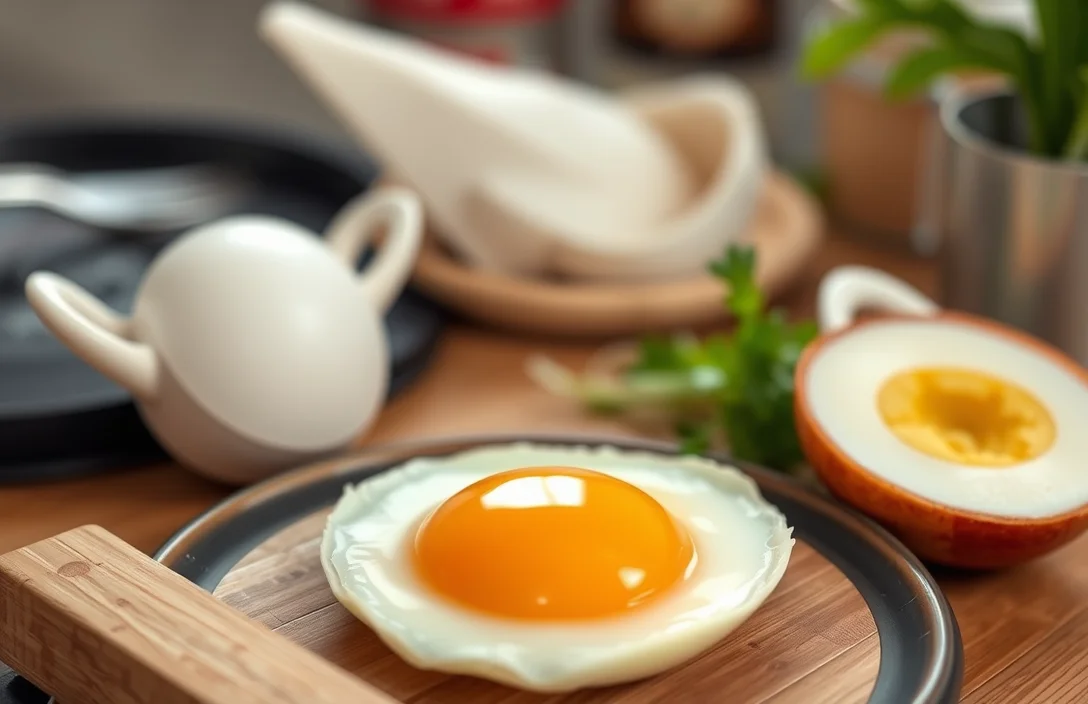
Perfectly cooked eggs can elevate any meal, with studies showing that a well-prepared egg can boost nutrient absorption by up to 30%. Mastering this simple skill opens the door to endless culinary possibilities, from breakfast to gourmet dishes.
Cooking eggs perfectly involves temperature control, timing, and technique. Methods vary, including scrambling, boiling, and poaching, each requiring specific attention to detail for optimal results.
Boiling Eggs Without Cracking Techniques
Start with room temperature eggs. Cold eggs from the refrigerator are more likely to crack when placed in boiling water. Let them sit out for about 30 minutes before cooking. This simple step helps reduce the temperature shock that causes cracks.
Utilize a gentle approach. Lower the eggs into the boiling water carefully using a spoon or a ladle. Dropping them in from a height can cause significant impact, leading to cracks. A slow and steady method ensures a smoother introduction to the boiling water.
Consider adding vinegar to the water. A tablespoon of vinegar can help proteins in the egg white coagulate faster, minimizing the risk of cracks. This step also aids in keeping any egg whites from leaking if cracks do occur.
Incorporate salt into the boiling water. Adding about a teaspoon of salt can strengthen the eggshell, making it less susceptible to cracking. Salt can also help with easier peeling post-cooking, contributing to a better cooking experience.
Monitor the boiling process closely. Once the water reaches a rolling boil, reduce the heat to maintain a gentle simmer. A vigorous boil can cause the eggs to bounce around, increasing the likelihood of cracking. Maintaining control over the boiling intensity is crucial.
Fluffiness Tips for Scrambled Eggs
Whisking eggs vigorously is crucial. Use a fork or a whisk to beat the eggs until fully combined. This aerates the mixture, creating tiny air bubbles that contribute to fluffiness. Aim for a consistent texture without any streaks of egg white or yolk.
Incorporating dairy enhances creaminess. Adding a splash of milk, cream, or even sour cream provides moisture and richness. This additional liquid helps to create steam during cooking, which further lifts the eggs. Aim for about one tablespoon of dairy per egg for optimal results.
Cooking on low heat ensures gentle curd formation. High temperatures can lead to rubbery eggs rather than soft and fluffy ones. Use a non-stick skillet over medium-low heat and allow the eggs to cook slowly, stirring frequently for even cooking.
Stirring constantly breaks up curds. Use a spatula to gently push the eggs from the edges toward the center of the pan. This technique promotes even cooking and prevents large curds from forming, resulting in a creamier texture.
Removing from heat slightly early is essential. The residual heat will continue to cook the eggs even after being taken off the stove. Pull them when they are slightly undercooked for the best texture, ensuring they remain soft and fluffy.
Guide to Perfectly Poached Eggs
Perfectly poached eggs require precision and technique. Follow these steps to achieve eggs with silky whites and warm, runny yolks. Gather the necessary ingredients and equipment for best results. A gentle touch and a bit of practice will lead to success.
- Fill a saucepan with water. Use enough water to allow eggs to float without touching the bottom, typically about 3 inches deep.
- Add a splash of vinegar. This helps the egg whites coagulate faster, maintaining a neat shape during cooking.
- Bring the water to a gentle simmer. Avoid boiling, as vigorous bubbles can break the eggs apart.
- Crack an egg into a small bowl. This allows for easier transfer into the water and minimizes the risk of breaking the yolk.
- Gently slide the egg into the simmering water. Aim for the center, ensuring it doesn’t touch the sides of the pan.
- Cook for 3-4 minutes. Timing depends on how runny you prefer the yolk; adjust accordingly for firmer yolks.
- Remove the egg with a slotted spoon. Let it drain briefly before serving to remove excess water.
Practice these steps to master poached eggs, enhancing your overall cooking skills. Consistency comes with repetition, so don’t hesitate to try again!
Creating the Ideal Omelette
Whisking eggs thoroughly ensures a fluffy omelette. Use a fork or whisk to beat the eggs until the yolks and whites are fully combined. Aim for 30 seconds to achieve a uniform texture. Adding a splash of milk or cream can enhance creaminess, but it’s optional. The key is to incorporate air into the mixture, which contributes to the desired lightness.
Heating your pan correctly is crucial for success. Preheat a non-stick skillet over medium heat, adding a small amount of butter or oil. Wait until the fat is hot but not smoking, which will help prevent sticking and achieve a golden color. Maintaining the right temperature is essential; too hot can burn the eggs, while too cool will result in a rubbery texture.
Pour the whisked eggs into the pan gently. Allow the mixture to settle for a moment, then use a spatula to gently push the cooked edges toward the center. Swirl the pan to let uncooked eggs flow to the edges. Repeat this process until most of the eggs are set but still slightly runny on top; this prevents overcooking.
- Add fillings like cheese, vegetables, or meats once the eggs are mostly cooked. This timing keeps the fillings warm without overcooking the eggs.
- Fold the omelette in half once the fillings are added and the eggs are set. Allow it to cook for another 30 seconds to melt the cheese and heat the ingredients thoroughly.
- Slide the omelette onto a plate and garnish with herbs or spices, if desired. Serve immediately for the best texture and flavor.
Mastering Sunny Side Up Fried Eggs
Start by heating a non-stick skillet over medium-low heat. Allow the pan to warm for a few minutes to ensure even cooking. Using a non-stick surface prevents the eggs from sticking and makes flipping easier if desired. Patience is critical; cooking on too high heat can lead to burnt edges and undercooked yolks.
Crack the eggs gently into the pan, taking care not to break the yolks. Maintaining the integrity of the yolk is essential for achieving the perfect sunny side up. Space the eggs apart to avoid them merging during cooking. Fresh eggs typically yield better results in terms of appearance and taste.
Monitor the cooking process closely. Cook the eggs for about 2-3 minutes, or until the whites are completely set but the yolks remain runny. If you prefer a slightly firmer yolk, cover the pan with a lid for the last minute of cooking. Covering traps steam, helping to cook the tops without flipping.
Serve the eggs immediately on a warm plate. Season with salt and pepper to taste, enhancing the flavor profile. Pairing with toast or fresh herbs can elevate the dish. Remember, achieving the perfect sunny side up fried egg takes practice, so don’t be discouraged by initial attempts.
Understanding Egg Cooking Times and Methods
Cooking eggs perfectly requires precise times and methods. Each technique influences texture and doneness, affecting your final dish. Familiarize yourself with the following standard cooking times for various egg preparations to ensure optimal outcomes.
Boiling eggs takes careful timing. For soft-boiled eggs, simmer for 4-6 minutes; for medium-boiled, 7-9 minutes; and 10-12 minutes for hard-boiled. Adjust times slightly based on egg size and altitude.
Scrambling eggs benefits from low to medium heat. Stir constantly for 5-7 minutes until they form soft curds. Avoid overcooking to prevent a rubbery texture.
Poaching requires a gentle simmer. Crack eggs into simmering water and cook for 3-4 minutes for a runny yolk and 5-6 minutes for a firmer yolk. Vinegar in the water can help maintain shape.
Frying eggs needs attention to heat. For sunny side up, cook on low for 2-3 minutes until the whites set. Over-easy requires flipping after 2-3 minutes and cooking an additional minute.
Baking eggs in a casserole dish or ramekins takes about 15-20 minutes at 350°F. Check for doneness by ensuring the whites are set but the yolks remain slightly runny, if desired. Adjust timing based on the number of eggs and ingredients used.
Seasoning Eggs for Enhanced Flavor
Perfectly seasoning eggs can elevate their taste significantly. Start with basic salt and pepper, as they enhance the natural flavors without overpowering them. Mixing in spices like paprika or garlic powder can add depth. Fresh herbs, such as chives or parsley, offer a vibrant touch, reinforcing the overall experience.
Experimenting with different seasonings opens new flavor profiles. Consider adding cheese for a creamy texture or a splash of hot sauce for heat. A sprinkle of nutritional yeast can impart a cheesy flavor, ideal for vegan dishes. Each option provides a unique twist that complements various egg preparations.
Try incorporating sauces for a delightful finish. A dollop of salsa or a drizzle of soy sauce can transform scrambled eggs into a zesty dish. For a richer flavor, consider hollandaise or pesto, which can enhance poached or fried eggs beautifully. Balancing these flavors is key to achieving a perfect dish.
Ultimately, personal preferences dictate the best combinations. Taste-testing different seasonings will help you discover your favorites. Play with ratios and combinations to find the ideal blend that suits your palate. This experimentation can lead to delicious, personalized results every time you cook eggs.
Quick Summary
- Choose fresh eggs for the best flavor and texture.
- For boiling, use cold water and bring to a gentle boil to prevent cracking.
- Adjust cooking times based on the desired doneness: soft, medium, or hard boiled.
- For scrambled eggs, whisk thoroughly and cook on low heat for a creamy texture.
- Utilize a non-stick pan and a bit of fat for frying eggs to prevent sticking.
- Let fried eggs cook undisturbed for a perfect sunny-side-up finish.
- Season eggs with salt and pepper just before serving for enhanced flavor.
Frequently Asked Questions
1. What is the best way to boil eggs?
To boil eggs perfectly, place them in a pot and cover with cold water. Bring the water to a boil, then turn off the heat and cover the pot; let the eggs sit for 9-12 minutes depending on your desired doneness.
2. How can I make scrambled eggs fluffy?
For fluffy scrambled eggs, whisk them well with a splash of milk or cream before cooking. Cook them over low heat, stirring gently, to allow them to set slowly and incorporate air for a light texture.
3. What’s the secret to a perfectly fried egg?
Heat a nonstick skillet over medium-low heat and add a small amount of oil or butter. Crack the egg into the pan and cook gently, basting with the hot oil or butter for even cooking, until the whites are set but the yolk remains runny.
4. How do I make a perfect poached egg?
To poach an egg, bring a pot of water to a simmer and add a splash of vinegar. Crack the egg into a small bowl, then gently slide it into the simmering water, cooking for about 3-4 minutes until the white is set but the yolk is still runny.
5. What is the best way to store leftover cooked eggs?
Store leftover cooked eggs in an airtight container in the refrigerator. They can be kept for up to one week; however, their texture may change, so it’s best to consume them as soon as possible for optimal taste.
