
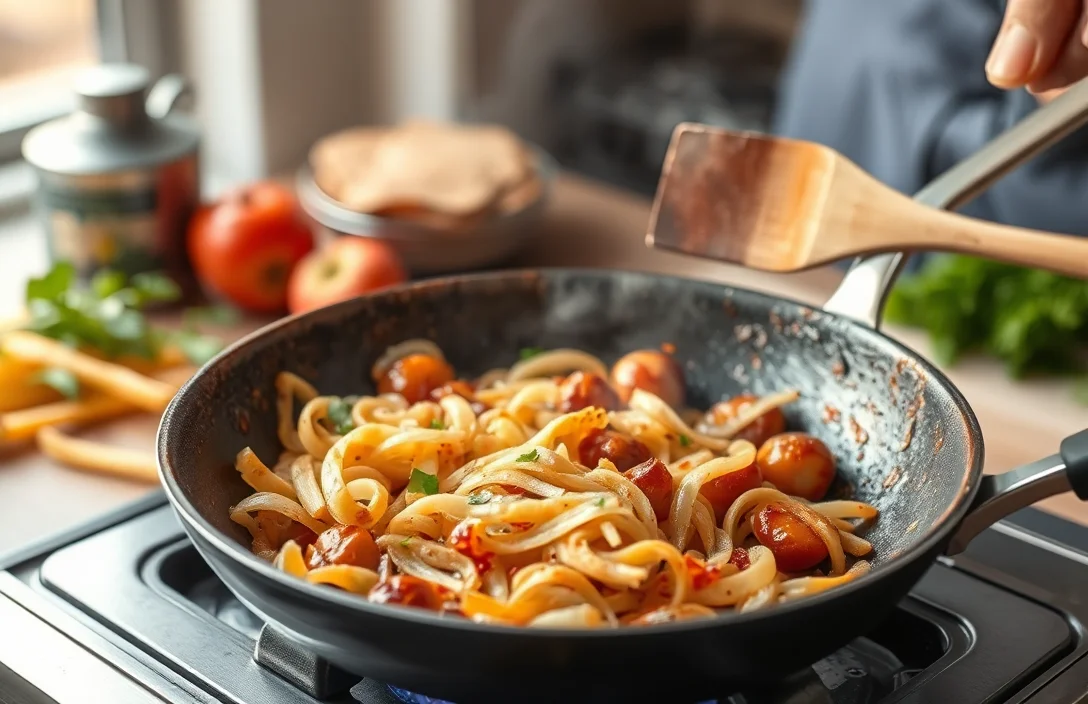
Seventy-five percent of home cooks say pan frying is their favorite method for quick, flavorful meals. Mastering this technique can transform your cooking, enabling you to prepare delicious dishes without spending hours in the kitchen. Let’s explore how to achieve perfect pan frying results every time.
Grasp essential techniques like adjusting heat, choosing the right oil, and timing for different ingredients. Remember to preheat your pan and pat food dry for optimal browning. Follow these tips, and you’ll conquer pan frying with confidence!
Choosing the Right Pan for Frying
Selecting the right pan significantly impacts your cooking results. Nonstick skillets are excellent for foods that tend to stick, like eggs or delicate fish. Stainless steel pans, on the other hand, provide superior heat retention and browning for meats and vegetables. Opt for a heavy-bottomed pan to ensure even heat distribution, which prevents hot spots and burning.
Cast iron skillets excel in retaining heat, making them suitable for high-heat frying. Remember, the size matters; a larger pan allows for better air circulation and prevents overcrowding, which can lead to steaming rather than frying. Always ensure your pan is preheated adequately before adding oil or ingredients to achieve that perfect crispiness.
Choosing a pan that’s compatible with your stovetop is also crucial. Induction cooktops require specific materials, such as magnetic stainless steel or cast iron. If you’re using a gas stove, almost any pan will work, but consider your cooking style and how often you’ll be frying to make the best choice.
Selecting and Using the Right Oil
Oils play a crucial role in pan frying, influencing both flavor and cooking performance. Selecting the right oil ensures crispy, delicious results. Common options include:
- Canola Oil: High smoke point, neutral flavor, ideal for versatile frying.
- Vegetable Oil: Affordable and widely available, great for everyday frying.
- Olive Oil: Use extra virgin for flavor, but be mindful of its lower smoke point.
- Peanut Oil: Excellent for high-heat frying, adds a subtle nutty flavor.
- Avocado Oil: High smoke point, rich in healthy fats, perfect for health-conscious cooks.
Frying requires a sufficient amount of oil to prevent sticking and ensure even cooking. Pour about 1/4 to 1/2 inch of oil into your pan. Heating oil to the right temperature is essential; check by dropping in a small piece of food. If it sizzles, you’re ready to fry. Always avoid overcrowding the pan, as this can lower the oil temperature and result in soggy food.
Maintaining oil quality matters for flavor and health. Strain used oil through a fine mesh to remove food particles and store it in a cool, dark place for future use. Discard oil if it smells off or has changed color. Knowing how to select and use oil effectively will greatly enhance your cooking experience.
Controlling Temperature for Crispiness
Achieving the perfect frying temperature is crucial for crispy results. Heat your pan over medium-high heat before adding oil. The right temperature allows moisture to escape quickly, forming a delightful crust while keeping the inside juicy. A hot pan ensures your ingredients fry rather than steam, so don’t rush this step.
Testing the temperature is essential. Drop a small piece of food or a sprinkle of water into the pan. If it sizzles immediately, you’re ready to go. If it just sits there, give it more time to heat up. This simple test can prevent soggy or undercooked meals.
Adjusting heat during cooking matters. If you notice excessive smoking or rapid browning, lower the heat slightly. Maintaining control prevents burning and helps achieve consistent results. Conversely, if you’re not getting that desired sear, increase the heat gradually until you find the sweet spot.
Monitoring cooking time is vital. Different ingredients require varying times to achieve that perfect crispiness. For example, thin slices of vegetables will cook faster than thicker cuts of meat. Keep an eye on your food, flipping or stirring as needed for even browning.
Ideal Foods for Pan Frying
Proteins like chicken, fish, and pork are excellent for pan frying. Their natural fats and moisture create a delicious crust while keeping the inside juicy. Opt for cuts that are not too thick to ensure even cooking and maximize crispiness. Marinating or seasoning beforehand enhances flavor and tenderness, making every bite delightful.
Vegetables such as bell peppers, zucchini, and mushrooms also shine in this cooking method. Cutting them into uniform pieces promotes even cooking, allowing their natural sweetness to caramelize beautifully. Experimenting with different oils, such as olive or avocado, can elevate the taste and add unique flavor profiles.
Fried rice or stir-fried noodles can be a quick, satisfying option. Start with cold, day-old rice or noodles to prevent mushiness. Toss in your choice of protein and vegetables, and season with soy sauce or other sauces to create a balanced, nutritious meal in a matter of minutes.
Cheese, like halloumi or paneer, can be pan fried to achieve a delightful crust. Slice it thickly to avoid melting completely, creating a perfect contrast between crispy exterior and creamy interior. Pair with fresh herbs or spices for an added flavor boost, making it an inviting addition to any dish.
Matching Pans with Heat Sources
Choosing the right pan based on your heat source is crucial for successful pan frying. Gas burners provide immediate heat control, while electric stoves maintain consistent temperatures. Select a pan that works well with your specific heat source to achieve optimal results.
- Cast iron pans excel on gas stoves due to their ability to withstand high temperatures and retain heat evenly.
- Non-stick skillets are ideal for electric burners, as they distribute heat uniformly without requiring excessive oil.
- Stainless steel pans are versatile; they work well on both gas and electric, providing a good sear if preheated properly.
- Wok pans are perfect for high-heat cooking on gas stoves, allowing for quick frying while retaining ingredient moisture.
- Always ensure your pan matches the size of the burner; using a smaller pan on a larger burner can lead to uneven cooking.
Experimenting with different pans can enhance your frying skills. Observe how varying materials react to your heat source, adjusting techniques as needed for perfect meals.
Mastering Flipping and Turning Techniques
Flipping food properly while frying ensures even cooking and enhances texture. Use a wide, flat spatula for best results, allowing you to slide under the food easily. Ensure your pan is adequately heated and food is not sticking before attempting to turn it. Always approach this with confidence to avoid breaking delicate items like fish or pancakes.
Practice these techniques for successful flipping:
- Start by loosening the edges. Gently slide your spatula around the edges of the food to ensure it’s not stuck before flipping.
- Use a quick motion. A swift lift and flip motion will minimize the risk of splattering hot oil and help maintain food integrity.
- Angle the spatula correctly. Holding the spatula at a slight angle can help you get underneath the food more effectively.
- Flip only when necessary. Avoid unnecessary flipping; let the food develop a nice crust before you turn it over.
- Practice with different foods. Start with easier options like vegetables before moving on to delicate proteins.
Confidence grows with experience, so keep practicing these flipping techniques. Soon, you’ll be turning food like a pro, achieving those perfectly crispy meals you desire.
Resting and Serving for Best Results
Let fried foods rest briefly after cooking. This crucial step allows excess oil to drain, preserving that delightful crispiness. Place items on a wire rack instead of paper towels. Wire racks promote airflow around the food, preventing sogginess while maintaining texture. Aim for 5 to 10 minutes of resting time for optimal results.
Serving immediately ensures that fried items retain their warmth and crunch. Arrange them neatly on a platter, avoiding overcrowding to keep them from steaming. Pair with dipping sauces or fresh garnishes to enhance presentation and flavor. Remember, plating can influence your dining experience, so take a moment to make it visually appealing.
Keeping fried foods crispy can be a challenge. If you’re not serving right away, consider using an oven set to low heat to keep them warm without compromising their texture. This method allows you to prepare multiple items while still delivering a satisfying meal to your guests. Enjoy the fruits of your labor, and don’t forget to share your culinary creations!
Quick Summary
- Preheat the pan to ensure even cooking and avoid sticking.
- Use a suitable oil with a high smoke point, such as canola or vegetable oil.
- Pat food dry before cooking to achieve a crispy exterior.
- Avoid overcrowding the pan to maintain the right temperature and ensure proper browning.
- Use a spatula to flip food gently to avoid breaking or tearing.
- Monitor cooking times closely to prevent overcooking or burning.
- Let food rest after cooking to enhance flavor and texture.
Frequently Asked Questions
What is pan frying and how is it different from sautéing?
Pan frying is a cooking technique that uses a moderate amount of oil in a skillet to cook food evenly on both sides. Unlike sautéing, which typically uses high heat and less oil, pan frying allows for a more thorough cooking process, making it ideal for thicker cuts of meat or denser vegetables.
What type of oil should I use for pan frying?
For pan frying, it’s best to use oils with a high smoke point, such as canola, vegetable, or peanut oil. These oils can withstand higher temperatures without burning, which is crucial for achieving a nice sear and preventing off-flavors in your dish.
How can I prevent my food from sticking to the pan?
To prevent sticking, ensure that your pan is preheated and the oil is hot before adding your ingredients. Additionally, using a non-stick skillet or properly seasoning a cast-iron pan can also help minimize sticking.
What are some tips for cooking proteins like chicken or fish in a pan?
To cook proteins effectively, pat them dry with paper towels to remove excess moisture, which helps achieve a better sear. Season the meat generously and avoid overcrowding the pan, as this can lower the temperature and lead to steaming instead of frying.
How do I know when my food is done cooking?
To check for doneness, use a meat thermometer for proteins; chicken should reach 165°F and fish should flake easily. For vegetables, fork-tender is a good indicator, but it ultimately depends on your texture preference. Keep an eye on color and browning as well, as these visual cues can guide you.
