
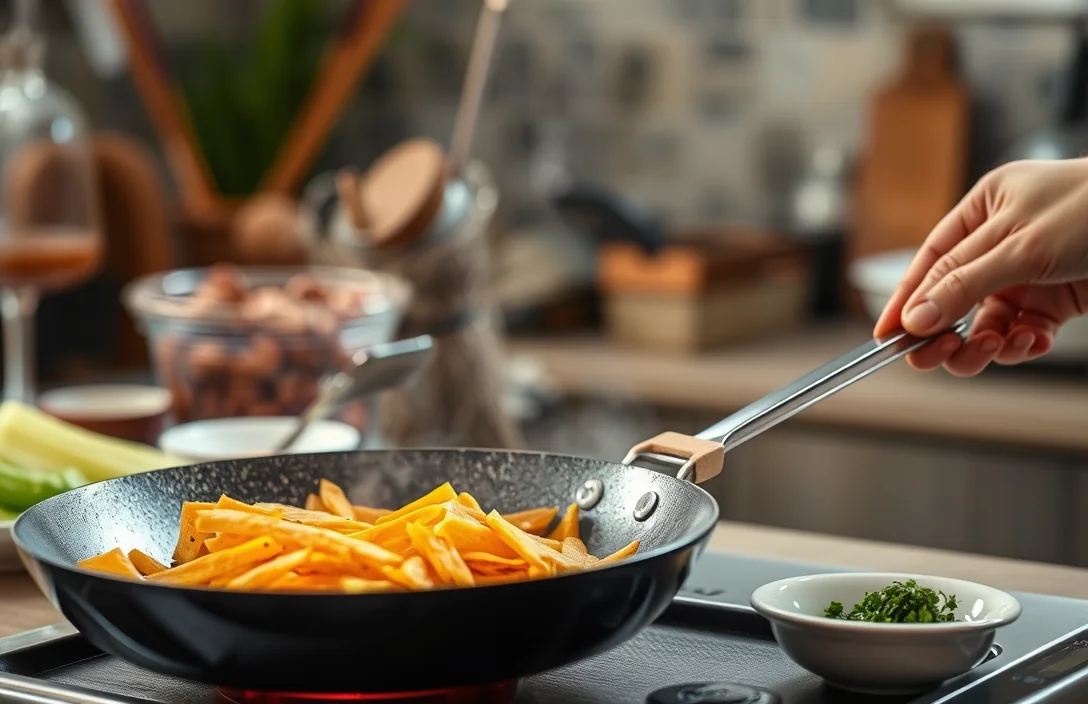
Over 50% of home cooks struggle with pan frying, often leading to unevenly cooked food or burnt surfaces. Mastering this technique can elevate your culinary skills and ensure delicious meals without the fear of failure.
Success in pan frying relies on heat control, proper oil selection, and timing. Use a heavy-bottomed pan, preheat adequately, and don’t overcrowd to achieve the best results.
Choosing the Right Pan for Frying
Selecting the correct pan significantly affects frying results. Materials like stainless steel, cast iron, and non-stick each offer distinct benefits. Stainless steel provides excellent heat distribution, while cast iron retains heat well, ideal for searing. Non-stick options allow for easy food release, reducing the need for excessive oil.
Size matters when achieving evenly cooked dishes. A larger pan accommodates more food, promoting consistent browning without overcrowding. Smaller pans are suitable for limited quantities, ensuring control over cooking. Always match the pan size to the amount you’re frying to optimize heat retention and cooking efficiency.
Material quality also plays a crucial role in durability and performance. High-quality pans resist warping and scratching, ensuring they last longer and perform better. Investing in reputable brands can lead to significant long-term benefits, making frying easier and more effective.
Compatibility with your heat source is essential. Some pans work better on gas stoves, while others excel on induction cooktops. Knowing your stove type helps you select a pan that maximizes heat transfer, ensuring your food cooks properly.
Best Oils for Pan Frying
Canola oil ranks high for pan frying due to its high smoke point of around 400°F (204°C). This makes it ideal for achieving crispy textures without burning. Its neutral flavor allows the natural taste of ingredients to shine through, making it versatile for various dishes.
Peanut oil is another excellent option, boasting a smoke point of approximately 450°F (232°C). This oil brings a slight nuttiness to fried foods, enhancing flavors while maintaining stability at high temperatures. It’s especially popular in Asian cuisine, particularly for stir-frying and deep-frying.
Avocado oil features a smoke point of about 520°F (271°C), making it one of the highest among cooking oils. Its rich, buttery flavor adds depth to dishes, and it’s packed with healthy fats, making it a nutritious choice for frying. Its high stability ensures that it won’t break down easily at elevated temperatures.
Olive oil, particularly light olive oil, can also be used for frying due to its moderate smoke point of around 465°F (240°C). While extra virgin olive oil is best for drizzling or dressing, light olive oil can add a subtle flavor to fried foods. Be cautious, as its lower smoke point can lead to bitterness if overheated.
Grapeseed oil offers a smoke point of around 420°F (216°C) and has a light flavor profile. This makes it suitable for frying without overpowering the dish. Its high polyunsaturated fat content also makes it a healthier alternative for those watching their dietary fat intake.
Controlling Heat Levels Effectively
Managing heat effectively is crucial for achieving a perfectly crispy texture while pan frying. Too high temperatures can lead to burnt food, while too low can result in sogginess. Follow these steps to ensure precision in your cooking process.
- Start with medium heat. Heating your pan gradually allows the oil to warm evenly, ensuring the food cooks uniformly without burning.
- Monitor the oil’s shimmer. Once the oil begins to shimmer, it indicates that it has reached an adequate temperature for frying. This visual cue helps prevent overcooking.
- Adjust heat as needed. If food begins to brown too quickly, lower the temperature slightly to maintain control over the cooking process. This adjustment helps avoid uneven results.
- Use a splatter guard. Protect surrounding surfaces from oil splatters by utilizing a splatter guard. This tool also aids in maintaining consistent heat by trapping moisture and heat close to the food.
- Test with a small piece. Before adding all ingredients, test with a small piece of food. If it sizzles immediately, the temperature is just right for frying.
Preparing Ingredients for Optimal Frying
Properly preparing ingredients significantly enhances frying results. Begin by ensuring all items are dry, as moisture can lead to splattering and soggy textures. Patting ingredients with paper towels will remove excess water, allowing for a crispier finish during the frying process.
- Cut proteins into uniform pieces. Even sizes ensure consistent cooking, preventing some areas from overcooking while others remain underdone. Use sharp knives for clean cuts.
- Season ingredients adequately before frying. Salt and spices enhance flavors and help create a flavorful crust. Apply seasoning evenly for the best results.
- Marinate items for added flavor. A brief marinade can infuse proteins and vegetables with complementary tastes, improving the overall dish.
- Coat with flour or batter if desired. Dredging in flour, breadcrumbs, or batter adds texture and crunch. Shake off excess coating to avoid clumping during frying.
- Preheat the pan and oil adequately. Ensuring the oil reaches the right temperature before adding ingredients prevents sticking and promotes a golden-brown crust.
Timing for Cooking Different Foods
Cooking times vary significantly between ingredients. For vegetables like bell peppers, sauté for about 3-5 minutes until they soften. Leafy greens, such as spinach, require only 2-3 minutes to wilt. Always adjust heat levels according to the desired doneness and texture.
Proteins demand precise timing. Chicken breast typically takes 6-8 minutes per side on medium-high heat, ensuring an internal temperature of 165°F. Shrimp cooks quickly, needing just 2-3 minutes per side until they turn pink and opaque.
Fish fillets vary based on thickness. A 1-inch fillet usually cooks for about 4-5 minutes per side. Thicker cuts may require longer, reaching an internal temperature of 145°F. Monitor closely to avoid overcooking.
Starches such as potatoes or rice need more time. Cubed potatoes may take 10-15 minutes, while pre-cooked rice just needs to be heated through in about 5 minutes. Ensure proper hydration to achieve the best texture.
Monitoring cooking times helps avoid undercooking or overcooking. Use a timer to stay on track, ensuring each ingredient reaches its optimal doneness while maintaining flavor and texture. Consistent practice with timing enhances overall frying skills.
Preventing Sticking and Burning
Coat the pan with oil. Using enough oil creates a barrier between the food and the cooking surface. This layer helps prevent sticking and promotes even cooking. Choosing the right oil is crucial; opt for oils with high smoke points, like canola or avocado oil, for best results.
Preheat the pan properly. Heating the pan before adding any food allows the oil to reach the desired temperature. A preheated surface helps food release more easily, reducing the chances of burning. Use medium-high heat for most frying tasks, adjusting as necessary for different ingredients.
Monitor the cooking temperature closely. Maintaining a consistent temperature is essential for effective frying. If the heat is too low, food may stick; if too high, it could burn. Use an infrared thermometer to check the pan’s temperature for precision and adjust the heat accordingly.
Use a non-stick pan if possible. Non-stick cookware minimizes the risk of food adhering to the surface. While not all dishes require this type of pan, it can be beneficial for delicate items like fish or eggs. Ensure to use utensils that won’t scratch the non-stick surface for longevity.
Allow proper cooking time before flipping. Resist the urge to move or flip food too soon. Allowing food to cook until it naturally releases from the pan ensures a crisp exterior and prevents tearing. Patience during frying pays off with better texture and flavor.
Enhancing Flavor During Frying
Incorporating aromatics while frying intensifies flavors significantly. Start by adding minced garlic, shallots, or ginger to the hot oil before introducing your main ingredient. These aromatics infuse the oil, creating a fragrant base that enhances the overall taste of your dish.
Complementary herbs can elevate your meal. Fresh herbs like rosemary, thyme, or basil can be added towards the end of cooking to maintain their vibrant flavor. Stir them in just before removing the pan from heat, allowing the herbs to release their essential oils without losing potency.
Seasoning during frying improves depth of flavor. Sprinkle salt and pepper directly onto the food as it cooks. This method allows the seasoning to penetrate the surface, ensuring a well-rounded taste throughout the dish.
Acidic elements balance richness effectively. Consider adding a splash of lemon juice or vinegar right at the end of cooking. This acidity brightens the flavors, cutting through any greasiness while providing a refreshing contrast to savory components.
Experimenting with finishing oils adds unique characteristics. Drizzle flavored oils, such as chili oil or sesame oil, over the dish just before serving. This final touch introduces a burst of flavor that enhances the overall frying experience.
Quick Summary
- Use a heavy-bottomed skillet (cast iron or stainless) sized so food fits in a single layer; preheat over medium-high until evenly hot.
- Choose an oil with an appropriate smoke point (canola, peanut, grapeseed) and add just enough to coat the pan; oil should shimmer but not smoke.
- Pat food dry and season well; bring thicker pieces to near room temperature for more even cooking and better browning.
- Do not overcrowd the pan—leave space between pieces so heat circulates and a crust can form; cook in batches if necessary.
- Control heat: start hot to sear, then lower to maintain browning without burning; flip minimally—wait for a golden crust before turning.
- Finish and rest: drain on a rack or paper towel to reduce sogginess, let rest a few minutes to redistribute juices, and verify doneness with an internal thermometer if needed.
Frequently Asked Questions
What type of pan is best for pan-frying?
Choose a heavy-bottomed stainless steel or cast-iron skillet for even heat and a good sear; nonstick works well for delicate foods like fish or eggs. Avoid very thin pans that heat unevenly and can cause sticking or burning.
Which oil should I use and how much do I need?
Use an oil with a high smoke point such as vegetable, canola, grapeseed, or avocado oil; you can add a knob of butter at the end for flavor. Use just enough to coat the pan (typically 1–2 tablespoons) or slightly more for shallow frying.
How do I know when the pan is the right temperature?
Preheat on medium-high until the oil shimmers or a small water droplet dances and evaporates on contact—this indicates the pan is hot enough. If the oil smokes, lower the heat; if nothing sizzles when you add food, the pan is too cool.
How can I prevent sticking and avoid overcrowding the pan?
Dry and lightly oil food before adding it to a preheated pan, and avoid flipping too soon so a crust can form; stuck food usually releases once properly seared. Cook in batches and leave space between pieces to maintain high heat and prevent steaming.
How do I cook foods through without drying them out?
Use thickness and internal temperature as your guides—sear on high to develop color, then lower the heat or finish in the oven for thicker cuts. Let meat rest a few minutes after cooking to redistribute juices and slice against the grain for tenderness.
