
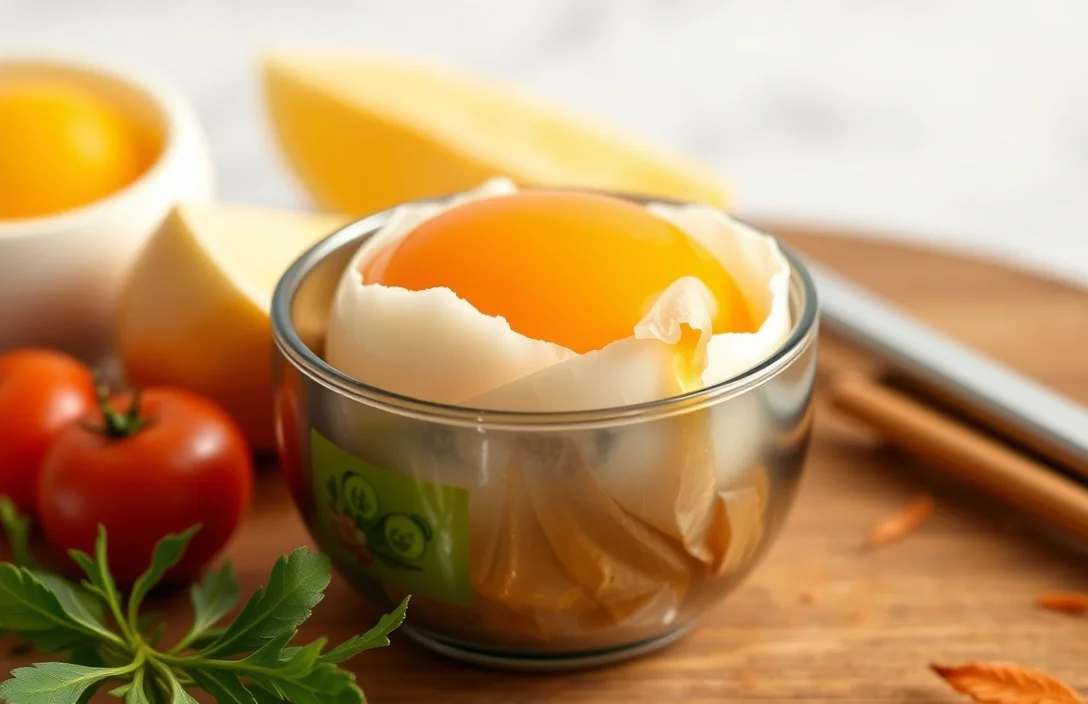
Boiling an egg seems simple, yet over 30% of home cooks struggle to achieve the perfect result. Timing and temperature can make all the difference in texture and taste. Understanding these factors will elevate your cooking skills significantly.
Follow these key points to boil an egg perfectly: start with cold water, bring to a rolling boil, adjust timing for desired doneness, and cool immediately in ice water for easy peeling.
Selecting the Best Eggs for Boiling
Fresh eggs yield the best results when boiling. Look for eggs that are within their sell-by date and have a clean, uncracked shell. Freshness affects cooking time and texture, so prioritize eggs that feel heavy and have a smooth surface. Inspect your eggs carefully before making a choice.
Quality matters significantly for perfect boiled eggs. Organic or free-range eggs often taste better due to their diet. Ensure the eggs are stored properly; refrigeration helps maintain freshness. Avoid eggs that float in water, as this indicates age and potential spoilage.
Size impacts cooking time and outcome. Standard large eggs are commonly used in recipes, but medium or extra-large options can also work well. Adjust cooking times accordingly based on the egg size you select to ensure even cooking and desired doneness.
Color does not affect boiling quality, but it may influence personal preference. Brown and white eggs are interchangeable in recipes; focus instead on freshness and quality. Trust your instincts and choose eggs that meet your culinary needs for the best results.
Exploring Various Boiling Methods
Boiling eggs can be done using several techniques, each yielding different results. Traditional boiling involves placing eggs in cold water, bringing it to a boil, then reducing heat. This method allows for even cooking, preventing eggs from cracking due to temperature shock.
Simmering offers a gentler approach. By keeping the water just below boiling, eggs cook more slowly, reducing the risk of rubbery whites. This technique is particularly useful for soft-boiled eggs, ensuring tender textures.
Steaming is another effective method. Using a steamer basket, eggs are placed above boiling water, cooking evenly while allowing for easier peeling. This technique often results in a perfectly cooked egg without the worry of cracking.
Pressure cooking speeds up the boiling process significantly. Inside a pressure cooker, eggs cook quickly and efficiently. Many chefs appreciate this method for the consistent results it produces, especially when preparing large batches.
Microwaving can also be employed with caution. By using a microwave-safe container and adding water, eggs can be cooked in minutes. Proper timing is crucial to avoid overcooking or exploding eggs in the microwave.
Timing for Soft-Boiled Perfection
Achieving soft-boiled eggs requires precise timing. For a creamy center, cook the eggs for exactly six to seven minutes. Start timing once the water reaches a rolling boil and the eggs are fully submerged. Adjust your timing slightly based on egg size; larger eggs may need closer to seven minutes for optimal consistency.
Immediately immerse the cooked eggs in an ice bath after boiling. This stops the cooking process and helps maintain that perfect soft texture. A quick plunge for about five minutes will make peeling easier and prevent overcooking.
Consider using a timer for accuracy. Even a few seconds can make a significant difference in achieving the desired doneness. Setting a timer ensures you won’t forget about the eggs while they cook, resulting in consistent outcomes every time.
Experimenting with altitude may be necessary. If boiling at high elevations, you might need to increase cooking time slightly. Factors like water temperature and boiling point vary with elevation, affecting the final result.
Achieving Hard-Boiled Eggs with Consistency
Perfect hard-boiled eggs require precise timing, temperature, and technique. Follow these steps for consistent results that yield firm, fully-cooked whites and yolks. Use fresh eggs for the best flavor and texture. While boiling, maintain a gentle simmer to avoid overcooking.
- Start with cold water to cover eggs by at least one inch.
- Bring water to a rolling boil over medium-high heat.
- Once boiling, reduce heat to maintain a gentle simmer.
- Cook eggs for exactly 9-12 minutes, depending on desired firmness.
- Remove from heat and let sit for 5 minutes before cooling.
Cooling Techniques After Boiling
Placing eggs in ice water immediately stops the cooking process. Prepare a bowl filled with ice and cold water before boiling. Once the eggs are done, transfer them directly into the ice bath using a slotted spoon. This technique ensures the eggs cool quickly, preventing overcooking and achieving the desired doneness.
Cooling eggs for at least five minutes allows them to reach the perfect temperature. If you skip this step, the residual heat may continue to cook the yolk, resulting in an undesirable texture. Ensuring that the eggs are completely submerged in the ice water will enhance cooling efficiency.
Refrigerating eggs after they cool can extend their freshness. Once the eggs have been in the ice bath, dry them and place them in the fridge. Proper storage not only maintains quality but also prepares them for easy peeling later. Always label your container with the date for reference.
Effective Peeling Techniques for Eggs
Peeling boiled eggs can be tricky, but specific techniques can simplify the process. Start by choosing eggs that are slightly older, as fresher eggs tend to have a tighter bond between the shell and the egg white. This makes them harder to peel smoothly.
Using cold water can aid in peeling. After boiling, place the eggs in an ice bath for at least five minutes. This helps contract the egg inside the shell, making it easier to remove. Furthermore, cracking the shell gently all over can create small fractures, allowing water to seep in and help separate the membrane from the egg.
- Tap the egg on a hard surface to create cracks.
- Roll the egg gently between your hands to loosen the shell.
- Peel under running water for better results.
Employing these methods can lead to a smoother peeling experience. Mastering these techniques will enhance your boiled egg preparation, ensuring a satisfying result every time.
Incorporating Salt in Boiling Water
Adding salt to boiling water enhances the cooking process for eggs. It helps in several ways, particularly by improving flavor and making peeling easier. Salted water raises the boiling point slightly, which can help achieve a better texture in the egg whites.
Incorporating salt also serves to minimize the risk of cracking. When eggs are placed in boiling water, the rapid temperature change can cause them to crack. Salt helps to strengthen the egg shell, making it less susceptible to damage.
- Flavor enhancement: Salt adds taste to the egg, making it more enjoyable.
- Peeling ease: Salted water can help loosen the membrane, facilitating easier peeling after cooking.
- Crack prevention: Salt helps reinforce the shell, reducing the chance of cracks during boiling.
Experimenting with the amount of salt can yield different results. Generally, a teaspoon of salt per quart of water works well. Adjusting the quantity to your preference allows for personalization of the flavor profile.
Storage Tips for Cooked Eggs
Refrigerate cooked eggs promptly after boiling. Allow them to cool for about 10 minutes at room temperature before placing them in the refrigerator. This step prevents the growth of bacteria, ensuring safety and freshness. Store them in a covered container to keep them from absorbing odors from other foods.
Label containers with the date cooked. Keeping track of how long the eggs have been stored helps maintain their quality and safety. Ideally, consume boiled eggs within one week for the best taste and texture. Discard any eggs that show signs of spoilage, such as an off smell or unusual appearance.
Consider peeling eggs before storing. If you prefer convenience, peeling them can make for quicker snacking or recipe preparation. If you choose to keep the shells on, remember to rinse them gently to remove any residue before refrigeration.
Freezing cooked eggs is an option for long-term storage. Beat the eggs and pour them into ice cube trays to freeze. Once solid, transfer the cubes to a freezer-safe bag. Thaw them in the refrigerator when ready to use, but know that the texture may change slightly after freezing.
Quick Summary
- Start with fresh eggs for the best results.
- Place eggs in a saucepan and cover them with cold water.
- Bring the water to a rolling boil over medium-high heat.
- Once boiling, cover the saucepan and remove it from heat.
- Let the eggs sit in the hot water for 9-12 minutes, depending on desired doneness.
- Transfer eggs to an ice bath immediately after cooking to stop the cooking process.
- Peel the eggs under running water for easier shell removal.
Frequently Asked Questions
How long should I boil an egg for a soft or hard yolk?
For a soft-boiled egg with a runny yolk, boil for about 6-7 minutes. For a hard-boiled egg with a fully cooked yolk, aim for 9-12 minutes, depending on your preferred firmness.
Do I need to add salt or vinegar to the water when boiling eggs?
Adding salt or vinegar to the water is optional but can help prevent cracks and make peeling easier. However, the most important factor is to ensure the water is at a rolling boil before adding the eggs.
Should I start boiling eggs in cold or hot water?
It’s best to start with cold water. Place the eggs in a pot, cover them with cold water, and then bring the water to a boil. This method helps to prevent cracking and ensures even cooking.
How can I easily peel a boiled egg?
To make peeling easier, let the boiled eggs cool in an ice bath for about 5-10 minutes after cooking. Gently tap the egg on a hard surface to crack the shell and peel under running water for better results.
What’s the best way to store boiled eggs?
Boiled eggs can be stored in the refrigerator, either peeled or unpeeled, for up to one week. If you keep them unpeeled, they have a better chance of staying fresh longer.
