
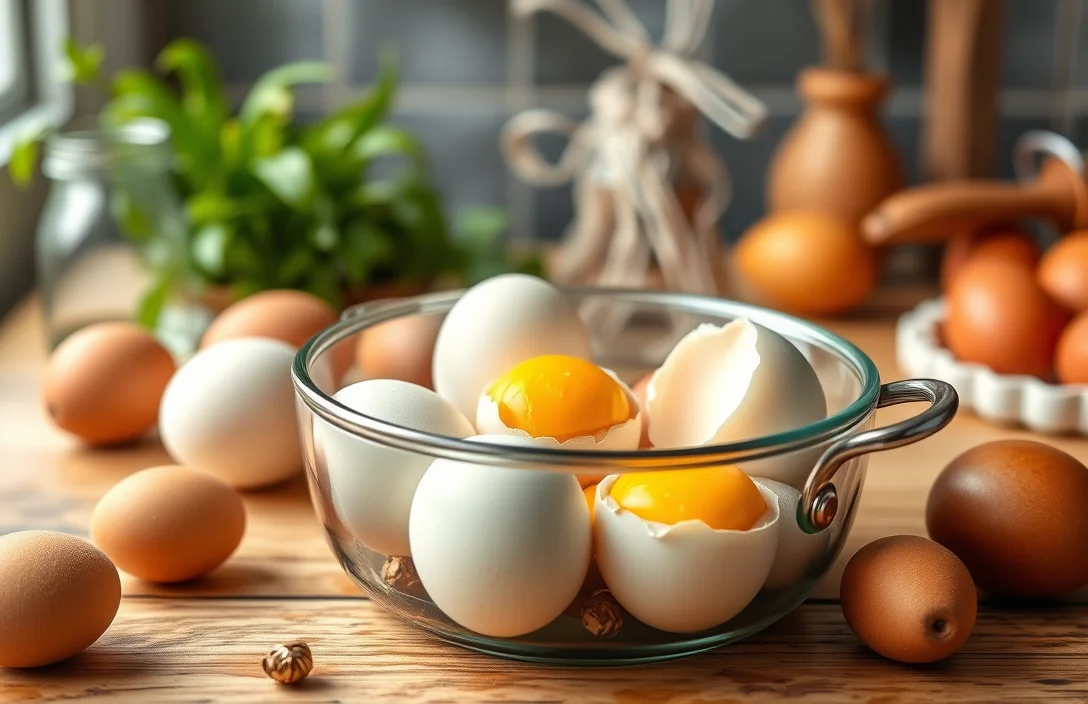
According to culinary experts, boiling eggs seems simple, yet many people struggle to achieve the perfect texture. The secret lies in precise timing and temperature control, which can transform a basic egg into a culinary delight. Mastering this technique opens up endless possibilities in the kitchen.
Master the basics of boiling eggs with these key points: Start with cold water, bring to a boil, and adjust cooking time based on desired doneness. Cool immediately in ice water to stop cooking. Follow these steps for consistently perfect results every time.
Choosing the Right Eggs for Boiling
Fresh eggs yield better results when boiling. Selecting eggs that are less than a week old ensures a firmer white and a more intact yolk. Look for eggs with clean, uncracked shells, as any imperfections may affect the boiling process. Always check the sell-by date on the carton to guarantee freshness.
Farm-fresh eggs often provide superior flavor and texture. Local farms typically offer eggs that are fresher than those found in supermarkets. If possible, buy directly from farmers’ markets or local producers to enhance taste and quality. This choice can significantly impact the overall outcome of your boiled eggs.
Organic eggs also tend to have a richer flavor. Many consumers prefer these options due to the hens’ diets and living conditions, which can influence the egg’s taste and quality. While they may be pricier, the investment often results in a more satisfying culinary experience.
Brown and white eggs are nutritionally similar. The color of the shell does not impact taste or cooking performance. Instead, focus on the egg’s freshness and how it was produced. Understanding this distinction can help you make informed choices for achieving the perfect boiled egg.
Testing Egg Freshness Effectively
Fresh eggs sink in water. Fill a bowl with water and gently place the eggs inside. If they lie flat on the bottom, they are fresh. If they stand upright, they are still safe to eat but not as fresh. If they float, discard them, as this indicates spoilage.
Using the water test provides quick results. Eggs develop air cells inside as they age, causing them to float. Checking for freshness in this way ensures you’re starting with quality ingredients for boiling. Using a reliable method like this helps prevent any unpleasant surprises.
Observing the eggshell is crucial as well. Inspect for cracks or a powdery appearance, which could indicate bacterial contamination. Fresh eggs should have a smooth surface. If the shell feels rough or chalky, consider selecting different eggs for your boiling needs.
Smelling eggs can also provide hints about freshness. Fresh eggs have little to no odor. If any strong or sulfur-like smell emanates from the egg, discard it immediately. Relying on multiple methods ensures the best possible outcomes for your boiled eggs.
Determining Water to Egg Ratio
Selecting the right water amount for boiling eggs is crucial. The general guideline is to use about one inch of water above the eggs in the pot. This ensures even cooking and helps regulate the temperature, producing perfectly boiled eggs every time.
- Measure water accurately with a ruler. Fill the pot with water until it reaches approximately one inch above the top of the eggs.
- Ensure eggs are not overcrowded. Space them out in the pot to allow for proper water circulation and even heat distribution.
- Adjust water levels based on egg quantity. For more eggs, slightly increase the water to maintain the one-inch guideline.
- Consider pot size. A larger pot may hold more water, which can impact cooking time and temperature consistency.
- Verify water quality. Using filtered or fresh water can improve the final taste of the boiled eggs.
Maintaining the correct water-to-egg ratio not only ensures optimal cooking but also enhances the overall flavor and texture of the boiled eggs. Following these steps will help you achieve flawless results every time.
Exploring Boiling Methods
Steaming eggs offers a gentler approach. By placing eggs in a steamer basket over boiling water, you can achieve consistent results. This method reduces direct contact with boiling water, minimizing the risk of cracking. Steam cooks the eggs evenly while allowing for easier peeling afterward.
Pressure cooking provides a quick and efficient technique. Using a pressure cooker, you can boil eggs in a fraction of the time needed with traditional methods. Set the cooker for approximately 5 minutes at high pressure, then allow for natural release. This creates perfectly cooked eggs with a creamy yolk.
Cold water starts are effective for beginners. Begin by placing eggs in a pot and covering them with cold water. Gradually bringing the water to a boil ensures a more uniform cooking process. Once boiling, reduce the heat and let them simmer for your desired doneness.
Saltwater boiling enhances flavor and reduces cracking. Adding salt to the water increases the boiling point and can help seal any cracks that may form during cooking. This method also subtly seasons the eggs, making them tastier right out of the shell.
Timing for Soft and Hard Boiled Eggs
Perfectly boiled eggs require precise timing. For soft-boiled eggs, aim for 6-7 minutes of boiling once the water reaches a rolling boil. This duration results in a runny yolk surrounded by a creamy white. Adjust according to the size of the egg; larger eggs may need an extra minute.
Hard-boiled eggs demand a longer boiling period. Set a timer for 9-12 minutes, ensuring the yolk is fully cooked but not overdone. Fresh eggs sometimes require additional time, while older eggs may cook faster, so keep an eye on the clock.
Experimenting with different boiling times will help you find your ideal consistency. Remember to factor in altitude and water temperature, as these elements can alter cooking times. Use a timer to avoid guesswork and achieve flawless results consistently.
Cooling Eggs Rapidly After Boiling
Plunging boiled eggs into ice water immediately halts the cooking process. This technique preserves the desired texture, preventing overcooking and ensuring a creamy yolk. Fill a bowl with ice and cold water before you start boiling the eggs, so it’s ready when they’re done. Timing is crucial; transfer the eggs right after the boiling period ends.
Avoiding prolonged exposure to heat is essential. Leaving eggs in the hot cooking water will continue to cook them even after they are removed from the heat source. The residual heat can result in a rubbery texture, especially for hard-boiled eggs. Therefore, swift action is necessary to maintain the perfect consistency.
Using a slotted spoon makes transferring eggs easier. Carefully lower each egg into the ice water to prevent cracking. Allow them to sit in the ice bath for at least five minutes. This cooling period not only stops cooking but also makes peeling easier later on.
Monitoring the water temperature is also beneficial. If the water warms up too much from the eggs, replace it with more ice and cold water. Keeping the temperature low ensures the eggs cool quickly, preserving their quality and making them ready for further preparation or consumption.
Mastering Egg Peeling Techniques
Start peeling eggs right after rapid cooling. Chilling boiled eggs in an ice bath helps contract the egg inside the shell, making removal easier. Once cooled, gently tap the egg on a hard surface to create small cracks around its circumference.
Employ a simple technique for better results. Roll the egg lightly on the counter to further crack the shell, which allows air to enter and separate the membrane from the egg white. This makes peeling smoother and reduces damage.
- Begin peeling from the wider end, where there’s an air pocket that can help you get under the shell.
- Use running water to rinse off any leftover shell fragments, which can assist in loosening stubborn bits.
- Consider using a spoon to scoop out the egg if the shell is particularly stubborn; this method can be effective in minimizing cracks.
Practice these tips consistently for optimal results. Each boiled egg may vary, but following these techniques will help achieve clean, intact eggs ready for your next dish. Mastering egg peeling ensures your cooking efforts are visually appealing and delicious.
Quick Summary
- Start with eggs at room temperature to reduce cracking.
- Place eggs in a saucepan and cover with cold water by about an inch.
- Bring the water to a rolling boil over medium-high heat.
- Once boiling, remove the pan from heat, cover it, and let it sit for the desired time (6-12 minutes depending on firmness).
- After the time is up, transfer the eggs to an ice water bath to stop cooking.
- Peel the eggs under running water for easier shell removal.
- Store any leftover boiled eggs in the refrigerator for up to one week.
Frequently Asked Questions
1. What is the best method to boil eggs?
The best method to boil eggs is to place them in a single layer in a pot, cover them with cold water, and bring the water to a boil. Once boiling, reduce the heat and simmer for the desired time based on how you like your eggs (6-12 minutes).
2. How long should I boil eggs for soft or hard yolks?
For soft-boiled eggs with runny yolks, boil for about 6 to 7 minutes. For hard-boiled eggs with fully cooked yolks, aim for 9 to 12 minutes depending on your preference.
3. Should I start with cold or hot water?
It’s best to start with cold water. This helps the eggs cook evenly and reduces the risk of cracking, as the gradual increase in temperature is less shocking to the eggs.
4. How can I prevent eggs from cracking while boiling?
To prevent cracking, you can let the eggs sit at room temperature for about 30 minutes before boiling. Additionally, adding a teaspoon of vinegar or salt to the water can help strengthen the eggshells.
5. What is the best way to cool boiled eggs?
After boiling, transfer the eggs to an ice bath immediately to cool them down quickly. This stops the cooking process and makes peeling easier by contracting the egg away from the shell.
